
In the heart of Yemen, where the challenges of conflict intertwine with the harshness of nature, road rehabilitation projects stand out as a lifeline, revitalizing struggling rural economies. These projects are more than just paving stones and laying asphalt; they represent a direct investment in the stability and resilience of communities, opening new horizons for long-awaited sustainable development.
Background to the crisis: Infrastructure under the strain of conflict
For years, the ongoing war in Yemen has led to the systematic destruction of vital infrastructure. The road network, particularly those connecting villages and agricultural areas to major cities, has been among the hardest hit. Neglect and direct damage, coupled with floods and other natural disasters, have fragmented the country, isolating millions of people in their regions and exacerbating the humanitarian crisis, depriving them of access to even the most basic services such as healthcare and education.
The economic impact of isolation
This isolation had a devastating impact on the rural economy, which is heavily reliant on agriculture. Farmers faced immense difficulties transporting their crops to markets, resulting in significant spoilage of produce and a dramatic increase in transportation costs. This situation not only reduced farmers' incomes but also threatened national food security. Furthermore, the exorbitant transportation costs drove up the prices of basic commodities in these isolated areas, exacerbating the suffering of the population.
Rehabilitation projects: A window of hope
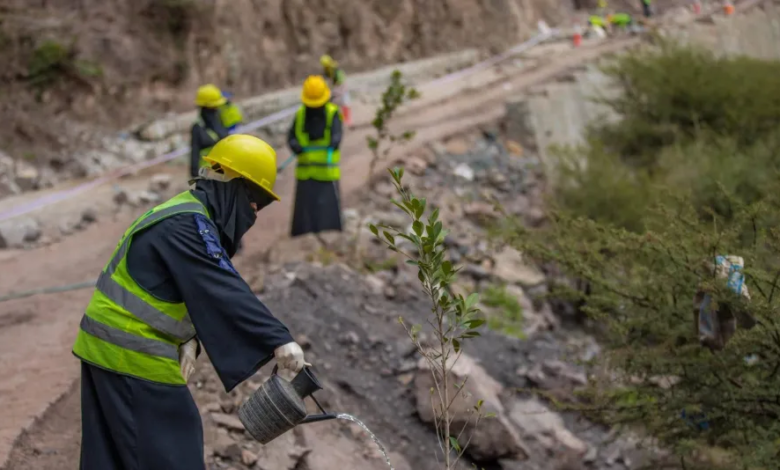
In response to this reality, initiatives and projects to rehabilitate vital roads have been launched, supported by international organizations and in cooperation with local authorities. These projects focus on repairing the most damaged rural roads and are often implemented through “cash-for-work” mechanisms, which provide temporary employment opportunities for local residents, giving them immediate income and engaging them in the process of rebuilding their communities. This strategy not only repairs roads but also builds human and social capital.
Tangible impact on the ground
The positive effects of these projects are becoming increasingly apparent. Road repairs have significantly reduced travel time and costs, allowing farmers easier access to markets and enabling them to sell their produce at better prices. Residents also have improved access to hospitals, schools, and other essential services. The impact extends beyond the economic sphere, reconnecting communities fragmented by the war and fostering trade and cultural exchange, thus paving the way for a comprehensive recovery.
A look towards the future
Investing in infrastructure, particularly in rural road networks, is the cornerstone of any efforts aimed at achieving economic recovery and sustainable peace in Yemen. These projects are not merely temporary solutions; they are the foundation for building a brighter future, where rural communities can become self-reliant and contribute effectively to the national economy.