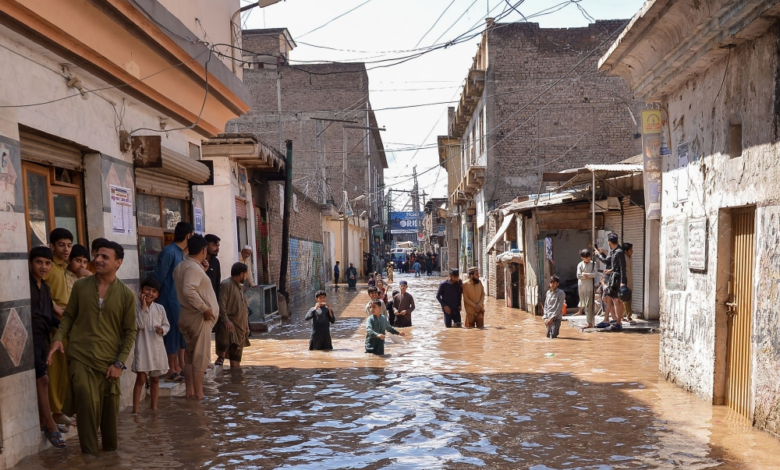

كارثة إنسانية جديدة تضرب إقليم خيبر بختونخوا
تستمر التغيرات المناخية القاسية في توجيه ضرباتها الموجعة لجنوب آسيا، حيث أعلنت السلطات في إسلام آباد عن حصيلة مأساوية جديدة جراء الأمطار الغزيرة في باكستان. فقد لقي 45 شخصاً مصرعهم، وأصيب 105 آخرون بجروح متفاوتة الخطورة، إثر حوادث متفرقة مرتبطة بالهطولات المطرية الشديدة التي اجتاحت إقليم خيبر بختونخوا الواقع في شمال غربي البلاد، وذلك منذ الخامس والعشرين من شهر مارس الماضي.
حجم الأضرار المادية واستجابة السلطات
لم تقتصر التداعيات على الخسائر البشرية الفادحة، بل امتدت لتشمل دماراً واسعاً في البنية التحتية والممتلكات الخاصة. وأفادت هيئة إدارة الكوارث الطبيعية الباكستانية في بيان رسمي أن السيول والأمطار تسببت في تضرر 442 منزلاً في الإقليم. وتوزعت هذه الأضرار بين انهيارات جزئية طالت 382 منزلاً، ودمار كلي لحق بـ 60 منزلاً، مما أدى إلى تشريد عشرات العائلات التي باتت بلا مأوى في ظل ظروف جوية قاسية.
وفي استجابة عاجلة لهذه الأزمة، أصدرت الهيئة توجيهات صارمة للإدارات المحلية في جميع المناطق المتضررة بضرورة التحرك الفوري وتسريع وتيرة توفير مواد الإغاثة الأساسية للمتضررين، بما في ذلك الخيام، والمواد الغذائية، والأدوية. كما أطلقت الهيئة تحذيرات استباقية شديدة اللهجة، مشيرة إلى أن التوقعات الجوية تنذر بموجة جديدة من الأمطار الغزيرة التي ستضرب الإقليم خلال الفترة الممتدة من 6 إلى 9 أبريل الجاري، مما يستدعي رفع حالة التأهب القصوى.
السياق التاريخي: باكستان في عين العاصفة المناخية
تأتي هذه الأحداث المأساوية لتسلط الضوء مجدداً على التاريخ الطويل والمعاناة المستمرة لباكستان مع الكوارث الطبيعية. فإقليم خيبر بختونخوا، بطبيعته الجبلية وتضاريسه الوعرة، يُعد من أكثر المناطق عرضة للانهيارات الأرضية والفيضانات الخاطفة خلال مواسم الأمطار. ولا يمكن فصل هذه الحادثة عن السياق الأوسع للتغير المناخي؛ فباكستان لا تزال تتعافى من تداعيات فيضانات عام 2022 الكارثية، التي غمرت ثلث مساحة البلاد، وأسفرت عن مقتل أكثر من 1700 شخص، وتضرر نحو 33 مليون نسمة، في واحدة من أسوأ الكوارث المناخية في التاريخ الحديث.
التأثير المحلي والدولي للأزمة
على المستوى المحلي، تزيد هذه الكوارث المتكررة من الضغط على الاقتصاد الباكستاني الذي يعاني بالفعل من تحديات هيكلية، وتستنزف موارد الطوارئ والرعاية الصحية. أما على الصعيدين الإقليمي والدولي، فإن ما يحدث في باكستان يمثل جرس إنذار عالمي. فعلى الرغم من أن باكستان تساهم بأقل من 1% من الانبعاثات الكربونية العالمية، إلا أنها تُصنف باستمرار ضمن الدول العشر الأكثر عرضة لتأثيرات التغير المناخي وفقاً لمؤشر مخاطر المناخ العالمي.
هذا التناقض الصارخ يبرز الأهمية القصوى لتفعيل آليات التضامن الدولي، مثل صندوق الخسائر والأضرار الذي أقرته قمم المناخ الأخيرة، لدعم الدول النامية في مواجهة كوارث لا ذنب لها في افتعالها. إن استمرار الأمطار الغزيرة في باكستان وتداعياتها المميتة يؤكد أن أزمة المناخ ليست تهديداً مستقبلياً، بل هي واقع يومي يحصد الأرواح ويدمر المجتمعات، مما يتطلب تدخلاً دولياً عاجلاً ومستداماً لتعزيز البنية التحتية للدول الأكثر هشاشة.