
تصعيد خطير في العاصمة اليمنية
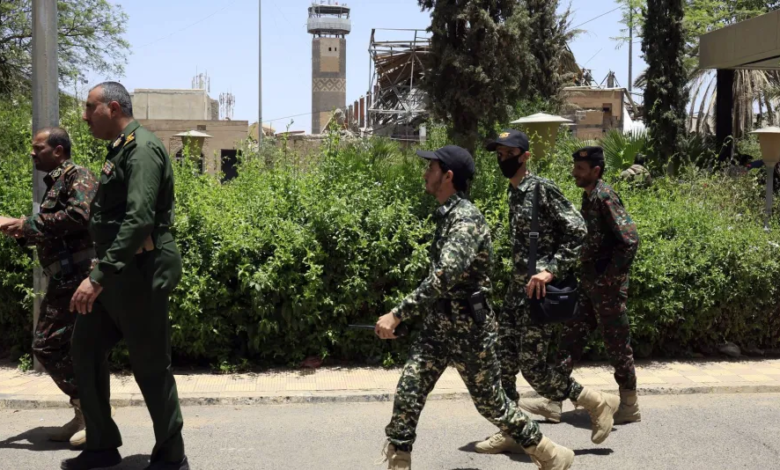
تشهد العاصمة اليمنية صنعاء والمناطق المحيطة بها تصعيداً خطيراً في الآونة الأخيرة، حيث وسعت جماعة الحوثي من نطاق أعمال القمع والانتهاكات الممنهجة ضد المدنيين والناشطين. تأتي هذه التحركات في إطار سعي الجماعة لإحكام قبضتها الأمنية والسياسية على مناطق سيطرتها، مما يثير قلقاً محلياً ودولياً بالغاً حيال تدهور حالة حقوق الإنسان في اليمن.
السياق التاريخي لسيطرة الحوثيين على صنعاء
منذ اجتياح جماعة الحوثي للعاصمة صنعاء في سبتمبر من عام 2014، وانقلابها على مؤسسات الدولة الشرعية، انتهجت الجماعة سياسة ترهيب ممنهجة لإسكات أي أصوات معارضة. لقد تحولت صنعاء، التي كانت يوماً ما مركزاً للتنوع السياسي والثقافي في اليمن، إلى بيئة مغلقة تحكمها الأجهزة الأمنية التابعة للجماعة. على مدار السنوات الماضية، عمل الحوثيون على تفكيك مؤسسات المجتمع المدني، وإغلاق الصحف المستقلة، وملاحقة المعارضين السياسيين، مما أسس لحالة من القمع المستدام الذي يتصاعد يوماً بعد يوم.
أشكال القمع والانتهاكات المستمرة
تتعدد أشكال القمع التي تمارسها جماعة الحوثي في صنعاء ومحيطها لتشمل شرائح واسعة من المجتمع. فقد شنت الأجهزة الأمنية التابعة لهم حملات اعتقال تعسفية طالت العشرات من الناشطين، والصحفيين، والأكاديميين، وحتى المواطنين العاديين الذين يعبرون عن استيائهم من تدهور الأوضاع المعيشية. إلى جانب الاعتقالات، تفرض الجماعة قيوداً مشددة على الحريات العامة والشخصية، بما في ذلك التضييق على حركة النساء وفرض ما يسمى بـ “المحرم”، وتغيير المناهج الدراسية لتتطابق مع أيديولوجية الجماعة. كما يواجه التجار ورجال الأعمال ابتزازاً مالياً مستمراً عبر فرض جبايات وضرائب غير قانونية لدعم المجهود الحربي، مما يثقل كاهل الاقتصاد المحلي المنهار أصلاً.
التأثير المحلي والأبعاد الإنسانية
على الصعيد المحلي، أدى هذا التوسع في أعمال القمع إلى خلق حالة من الرعب والذعر بين أوساط السكان في صنعاء والمحافظات المجاورة. يعيش المواطنون تحت وطأة الخوف من الاعتقال أو مصادرة الممتلكات، مما أدى إلى شلل في الحياة السياسية والمدنية. علاوة على ذلك، فإن هذه الممارسات تفاقم من الأزمة الإنسانية التي تُصنف كواحدة من أسوأ الأزمات في العالم، حيث يُحرم ملايين اليمنيين من حقوقهم الأساسية في التعبير والعيش الكريم، وتُصادر المساعدات الإنسانية أو تُوجه لصالح الموالين للجماعة.
التداعيات الإقليمية والدولية
لا تقتصر تداعيات القمع الحوثي على الداخل اليمني، بل تمتد لتشمل أبعاداً إقليمية ودولية. إن استمرار هذه الانتهاكات يمثل تحدياً صارخاً للقوانين والمواثيق الدولية لحقوق الإنسان. وقد وثقت العديد من المنظمات الحقوقية الدولية، مثل منظمة العفو الدولية وهيومن رايتس ووتش، فضلاً عن تقارير خبراء الأمم المتحدة، سجل الحوثيين الحافل بالانتهاكات. إقليمياً ودولياً، تعرقل هذه الممارسات القمعية أي جهود حقيقية لإحلال السلام في اليمن، حيث تظهر عدم جدية الجماعة في الانخراط في تسوية سياسية شاملة تحترم حقوق جميع اليمنيين. وتطالب الحكومات والمنظمات الدولية باستمرار بضرورة ممارسة ضغوط حقيقية على الحوثيين لوقف انتهاكاتهم وإطلاق سراح المعتقلين تعسفياً.
خلاصة
في الختام، يمثل توسيع الحوثيين لأعمال القمع في صنعاء ومحيطها حلقة جديدة في سلسلة الانتهاكات التي يعاني منها الشعب اليمني. إن استمرار هذا النهج يتطلب وقفة جادة من المجتمع الدولي والمنظمات الحقوقية لتسليط الضوء على معاناة المدنيين، والعمل على توفير الحماية اللازمة لهم، ودفع مسار السلام الذي يضمن استعادة مؤسسات الدولة واحترام حقوق الإنسان في كافة أرجاء اليمن.