
Ukrainian President Volodymyr Zelenskyy strongly condemned the decision to ease sanctions on Russian oil, warning that the move represents a financial lifeline that directly contributes to funding Russia's ongoing military operations against his country. These statements came at a critical time as the Ukrainian front witnesses a significant military escalation.
Historical context: Western sanctions and drying up sources of funding
Since the outbreak of the Russian-Ukrainian war in late February 2022, the United States and its Western allies, particularly the G7 countries and the European Union, have sought to impose unprecedented economic sanctions on Moscow. The primary objective of these sanctions was to cripple the Kremlin's ability to finance its military by capping the price of Russian oil at $60 per barrel and banning seaborne oil imports to Europe. However, global energy markets have proven complex, with Russia finding alternative routes to export its oil through what is known as its "shadow fleet.".
Reasons for the American decision and the impact of the Middle East crisis
In a move aimed at achieving a delicate balance in global energy markets, the US Treasury Department announced a temporary sanctions waiver until May 16, allowing the sale of Russian oil currently at sea. This decision comes amid escalating geopolitical tensions in the Middle East, particularly following the exchange of strikes between Israel and Iran in late February and early April, which threatened to disrupt global oil supplies. Through this temporary relief, Washington seeks to mitigate the sharp rise in energy prices and avert global inflation crises that could impact major economies.
Zelensky's statements: Shocking figures on the scale of the attacks
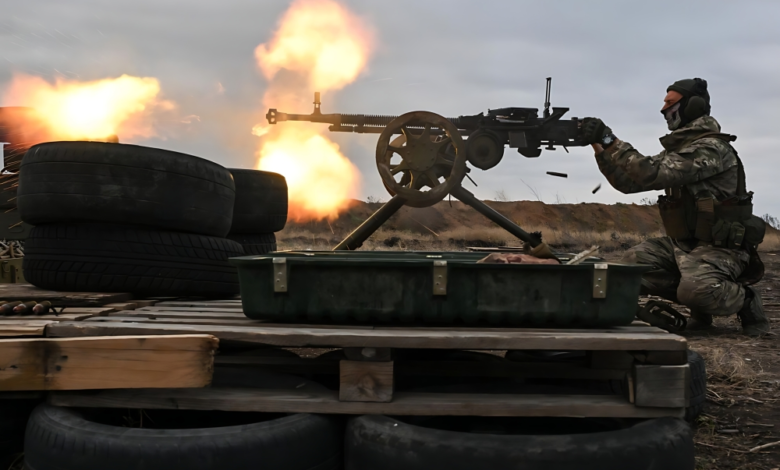
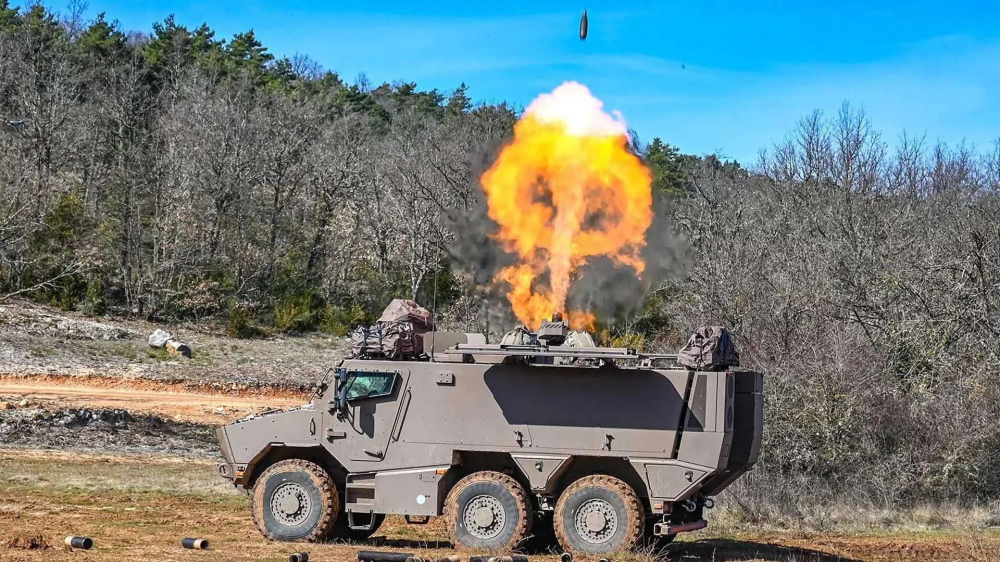
Via the “X” platform (formerly Twitter), Zelenskyy delivered a firm message to the international community, asserting that “every dollar paid for Russian oil finances the war on Ukraine.” He pointed out that allowing the resumption of Russian oil shipments on tankers without consequences provides Moscow with an estimated $10 billion in revenue. The Ukrainian president illustrated the scale of the tragedy with figures, noting that in just one week, Russia launched over 2,360 drone attacks, dropped more than 1,320 guided bombs, and fired approximately 60 missiles targeting Ukrainian infrastructure and cities.
Shadow Fleet and Regional and International Repercussions
The recent US decision encompasses all operations related to loading and delivering oil from Russia, and notably applies to vessels belonging to Russia’s “ghost fleet” or “shadow fleet”—aging oil tankers that often operate without Western insurance to evade sanctions. Regionally, this easing of restrictions raises concerns in Kyiv about prolonging the war and further depleting its defense capabilities. Internationally, the decision reflects the dilemma facing the US administration: the desire to punish Moscow versus the urgent need to maintain stable global fuel prices, highlighting how the crises in the Middle East are intertwined with the course of the war in Eastern Europe.