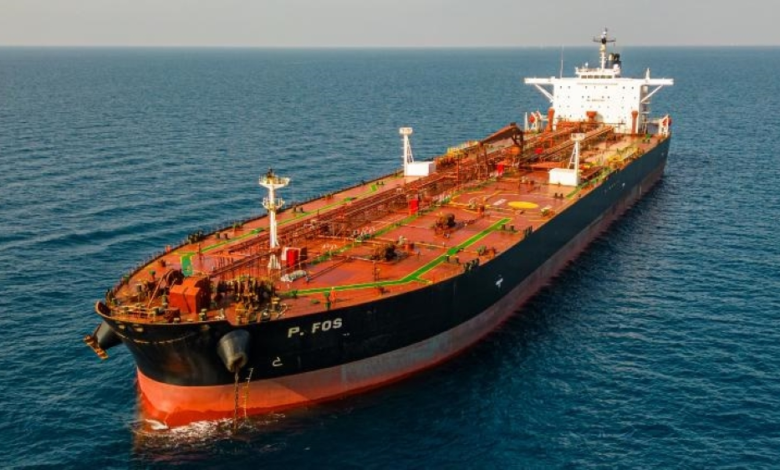

في خطوة تعكس التوازن الدقيق بين السياسة الخارجية والمصالح الاقتصادية، أعلنت وزارة الخزانة الأمريكية تمديد إعفاء شحنات النفط الروسي المحملة بها ناقلات مبحرة حالياً من العقوبات لمدة 30 يوماً إضافية. يأتي هذا القرار الاستراتيجي في وقت تشهد فيه أسواق الطاقة العالمية تقلبات حادة، مدفوعة باستمرار التوترات الجيوسياسية في منطقة الشرق الأوسط، وذلك على الرغم من المساعي الدولية للتهدئة.
السياق العام والخلفية التاريخية للعقوبات
تعود جذور هذه العقوبات إلى شهر فبراير من عام 2022، حينما بدأت القوات الروسية عملياتها العسكرية في أوكرانيا. ورداً على ذلك، فرضت الولايات المتحدة وحلفاؤها الغربيون حزمة من العقوبات الاقتصادية الصارمة التي استهدفت قطاع الطاقة الروسي، بهدف تقليص الإيرادات التي تستخدمها موسكو لتمويل عملياتها. ومع ذلك، اضطرت الإدارة الأمريكية إلى إصدار إعفاءات مؤقتة لتجنب صدمات اقتصادية عالمية، حيث صدر أول إعفاء من العقوبات على شحنات النفط الروسي في عرض البحر خلال شهر مارس الماضي.
تفاصيل القرار الأمريكي والاستثناءات المحددة
أوضح وزير الخزانة، سكوت بيسنت، في منشور رسمي عبر منصة “إكس” (تويتر سابقاً)، أن رخصة الـ 30 يوماً العامة والمؤقتة الأخيرة تهدف بشكل أساسي إلى منح الدول الأكثر ضعفاً القدرة على الوصول المؤقت إلى إمدادات النفط الروسي العالق حالياً في البحر. ووفقاً للرخصة العامة التي أصدرتها الخزانة، سيسري هذا التمديد حتى 17 يونيو في تمام الساعة 12:01 بتوقيت الساحل الشرقي للولايات المتحدة.
وعلى غرار الإعفاءات السابقة، تظل هناك خطوط حمراء صارمة؛ إذ يحظر القرار تماماً إجراء أي تعاملات تجارية أو مالية مع أفراد أو شركات من إيران، وكوريا الشمالية، وكوبا، بالإضافة إلى المناطق الأوكرانية الخاضعة للسيطرة الروسية.
التأثيرات الاقتصادية واستقرار أسواق الطاقة
أكد بيسنت أن هذا التمديد يوفر مرونة إضافية ضرورية ستساهم بشكل مباشر في استقرار سوق النفط العالمي، وضمان وصول الإمدادات إلى الدول التي تعاني من هشاشة في أمنها الطاقوي. وقد قفزت أسعار النفط عالمياً بشكل ملحوظ مع اندلاع التوترات الأخيرة، مما ألقى بظلاله على المستهلكين في الداخل الأمريكي. فقد ارتفعت أسعار البنزين في الولايات المتحدة بأكثر من 50% مقارنة بمستوياتها قبل 28 فبراير، مما شكل ضغطاً إضافياً على الإدارة الأمريكية للتدخل وكبح جماح التضخم.
التوترات الإقليمية في الشرق الأوسط ومضيق هرمز
يمثل هذا الإعلان ثاني تمديد تقره الإدارة الأمريكية لهذا الإجراء المؤقت، والذي يرمي في جوهره إلى معالجة النقص المحتمل في إمدادات النفط جراء التوترات المتصاعدة في الشرق الأوسط، ولا سيما التوترات بين إسرائيل وإيران والضربات المتبادلة التي شملت استهدافات لحلفاء واشنطن في المنطقة. وتتزايد المخاوف الدولية من احتمالية إغلاق مضيق هرمز الاستراتيجي، والذي يُعد شرياناً حيوياً يمر عبره عادة نحو 20% من إجمالي إمدادات النفط والغاز في العالم، مما قد يؤدي إلى كارثة اقتصادية عالمية في حال تعطله.
الموقف الأوكراني وردود الفعل الدولية
على الجانب الآخر، لم يمر هذا القرار دون انتقادات لاذعة. فقد لقي تمديد الإعفاءات السابقة معارضة شديدة، خصوصاً من القيادة الأوكرانية. ويرى الرئيس الأوكراني فولوديمير زيلينسكي، الذي تخوض بلاده حرباً طاحنة مع روسيا، أن أي تخفيف للعقوبات أو منح إعفاءات يمثل ثغرة تستفيد منها موسكو لدعم اقتصادها وآلتها العسكرية، مطالباً بتشديد الخناق الاقتصادي بشكل كامل دون استثناءات.