
Shock in energy markets following US statements
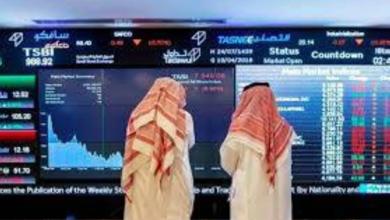
Natural gas prices in European markets rose sharply this morning, marking a new surge that reflects the sensitivity of energy markets to geopolitical tensions. This immediate increase followed statements and warnings from former US President Donald Trump, who threatened a "massive" military strike against Iran within the next two to three weeks. These statements dashed hopes that had prevailed in the markets regarding a possible near-term end to the ongoing conflict in the Middle East.
Sharp fluctuations in futures prices
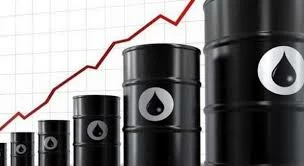
According to data published by Bloomberg, the price of Dutch natural gas futures, a key indicator of gas prices in Europe, rose 7.2% today, driven by a parallel increase in global oil prices. This sharp rise comes after gas prices experienced a significant decline of more than 13% over the past two days, fueled by cautious optimism regarding the possibility of a ceasefire agreement between the United States and Iran. Specifically, the price of gas for May delivery rose 5.4%, reaching €50.09 per megawatt-hour.
Trading volumes declined and the holiday season had an impact
These significant price movements coincided with a noticeable decrease in trading volume in European markets. This decline is attributed to many traders closing their positions in preparation for the Easter holiday in Europe. Furthermore, trading throughout the month has been characterized by a cautious and watchful approach, given the continued uncertainty surrounding the outcome of the conflict in the Middle East and its direct impact on shipping lanes and global energy supplies.
The geopolitical context and its impact on energy security
In a related development, Trump indicated in his speech Wednesday evening that US military operations were very close to achieving their strategic objectives. Despite describing the operation as a success, the escalating tone of his speech dampened hopes for a swift end to the conflict, triggering a ripple effect in global energy and financial markets, according to the German Press Agency (dpa). Historically, the Middle East has been a vital artery for energy supplies, and any tension affecting key countries raises immediate concerns about the security of navigation in the strategic straits through which a significant portion of oil and liquefied natural gas trade passes.
Challenges of European supply and global competition
At the European level, continued disruptions to supplies from the Middle East pose a serious strategic challenge. Since reducing its reliance on Russian gas in 2022, Europe has become increasingly dependent on liquefied natural gas (LNG) imports. Any threat to these supplies risks complicating Europe's efforts to replenish its gas storage facilities before the coming winter. While the majority of Middle Eastern gas exports are typically destined for Asian markets, continued disruptions will inevitably intensify fierce competition between Asia and Europe for limited global LNG supplies, potentially keeping prices high for an extended period.