
تعافي ملحوظ للروبية الهندية بدعم من البنك المركزي
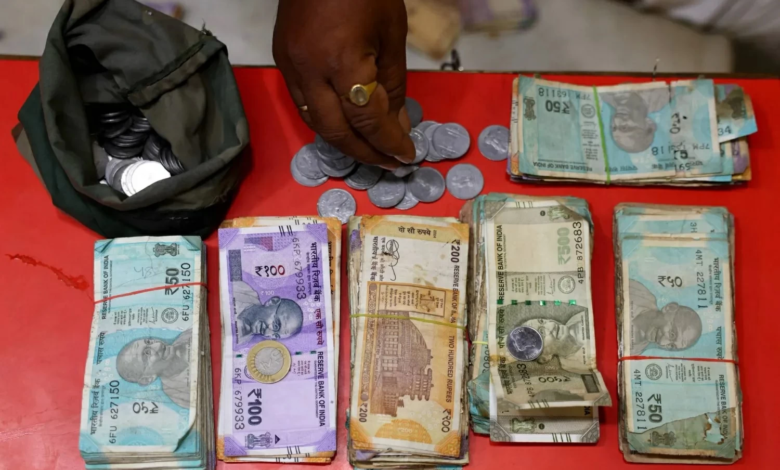
شهدت الروبية الهندية تعافياً ملحوظاً في سوق الصرف الأجنبي، متجاوزة حاجز 96 روبية للدولار الواحد، وذلك بفضل تدخل حاسم وقوي من قبل بنك الاحتياطي الهندي (البنك المركزي). فقد قام البنك بضخ مبالغ ضخمة وصلت إلى 3 مليارات دولار أمريكي بهدف كبح الضغوط البيعية المستمرة التي تعرضت لها العملة المحلية مؤخراً.
وبدأت هذه العمليات المكثفة في تداولات يوم الخميس، مما دفع الروبية للصعود بنسبة 0.65% لتسجل مستوى 96.20 روبية للدولار. ولم يتوقف الدعم عند هذا الحد، بل واصلت العملة ارتفاعها في تداولات يوم الجمعة، مضيفة مكاسب جديدة بنسبة 0.4% لتتداول عند مستوى 95.77 روبية للدولار الأمريكي.
السياق العام والخلفية الاقتصادية للحدث
لفهم أسباب هذا الضغط المستمر على العملة الهندية، يجب النظر إلى المشهد الاقتصادي العالمي. تاريخياً، تعتبر الهند من أكبر مستوردي النفط الخام في العالم، حيث تستورد أكثر من 80% من احتياجاتها النفطية. وبالتالي، فإن أي ارتفاع في أسعار النفط العالمية يؤدي مباشرة إلى زيادة فاتورة الواردات الهندية، مما يوسع العجز التجاري ويشكل ضغطاً هبوطياً على الروبية.
إلى جانب ذلك، تلعب سياسات الاحتياطي الفيدرالي الأمريكي دوراً حاسماً؛ فاستمرار أسعار الفائدة المرتفعة في الولايات المتحدة يجعل الدولار ملاذاً استثمارياً أكثر جاذبية، مما يسحب السيولة من الأسواق الناشئة، بما فيها الهند. وفي ظل انخفاض العملة بنحو 2.5% خلال الأسبوعين الماضيين، كان لزاماً على البنك المركزي الهندي استخدام احتياطياته الأجنبية الضخمة للحد من التقلبات الحادة وحماية الاقتصاد.
أهمية الحدث وتأثيره المتوقع
يحمل هذا التدخل الاستثنائي أهمية كبرى على عدة أصعدة:
- التأثير المحلي: يساعد استقرار الروبية في السيطرة على معدلات التضخم المستورد. فانخفاض قيمة العملة يعني ارتفاع تكلفة السلع الأساسية المستوردة مثل الوقود والإلكترونيات والأسمدة، مما يثقل كاهل المستهلك الهندي. تدخل البنك المركزي يحمي القدرة الشرائية للمواطنين ويدعم استقرار الأسعار في الأسواق المحلية.
- التأثير الإقليمي والدولي: يرسل بنك الاحتياطي الهندي رسالة طمأنة للمستثمرين الأجانب مفادها أنه يمتلك الأدوات والاحتياطيات النقدية الكافية لحماية الاقتصاد من الصدمات الخارجية. كما يعكس هذا الإجراء مرونة الاقتصادات الناشئة الكبرى في مواجهة هيمنة الدولار القوي، مما قد ينعكس إيجاباً على ثقة المستثمرين في أسواق جنوب آسيا.
تصعيد ملحوظ في سياسة التدخل
يُعد هذا التحرك المكثف تصعيداً ملحوظاً في سياسة البنك المركزي مقارنة بالأيام السابقة. فقبل هذا التدخل العنيف، كان متوسط المبيعات اليومية للبنك من الدولار يبلغ نحو مليار دولار فقط. القفزة إلى 3 مليارات دولار تعكس مدى جدية السلطات النقدية في وضع حد للمضاربات ضد العملة الوطنية.
وفي هذا السياق، صرح مسؤول في إدارة الخزانة بأحد بنوك القطاع الخاص لوكالات إعلامية غربية قائلاً: «يُعد بنك الاحتياطي الهندي حالياً البائع الرئيسي والوحيد للدولار في السوق». وأكد المسؤول على الارتباط الوثيق بين العملة وأسواق الطاقة، مضيفاً أنه في حال عدم انخفاض أسعار النفط العالمية، فإن «الوضع سيبقى على ما هو عليه»، مما يشير إلى أن استدامة هذا التعافي تعتمد بشكل كبير على هدوء أسواق الطاقة العالمية.