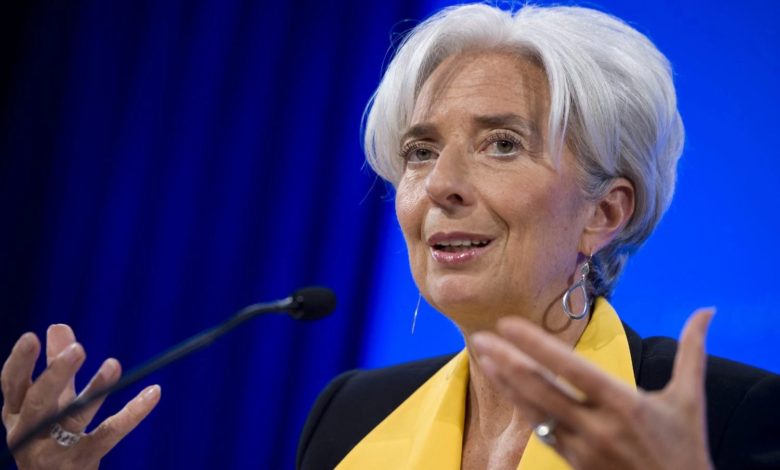

أكدت رئيسة البنك المركزي الأوروبي، كريستين لاجارد، أن توقعات التضخم على المدى الطويل في منطقة اليورو لا تزال مستقرة ومتوافقة إلى حد كبير مع المستهدف الرسمي البالغ 2%. وتأتي هذه التطمينات الهامة على الرغم من المخاوف المتزايدة بشأن تفاقم تداعيات الصراع الدائر في الشرق الأوسط وتأثيره المحتمل على أسواق الطاقة العالمية وسلاسل الإمداد.
السياق العام والخلفية التاريخية لأزمة التضخم
لفهم أهمية هذه التصريحات، يجب النظر إلى السياق التاريخي القريب؛ حيث شهدت منطقة اليورو خلال العامين الماضيين موجة تضخمية غير مسبوقة. كانت هذه الموجة مدفوعة بالأساس بتداعيات التعافي من جائحة كورونا، ثم اندلاع الحرب الروسية الأوكرانية التي أدت إلى أزمة طاقة خانقة في القارة الأوروبية. ولمواجهة هذا التحدي الاقتصادي، تبنى البنك المركزي الأوروبي سلسلة من الزيادات المتتالية في أسعار الفائدة، والتي تُعد الأسرع والأكثر حدة في تاريخه، بهدف كبح جماح التضخم وإعادته إلى مساره الطبيعي. وقد نجحت هذه السياسات النقدية الصارمة في خفض معدلات التضخم تدريجياً من ذروتها التي تجاوزت 10% في أواخر عام 2022.
تأثير أزمة الطاقة والصراعات الحالية
وجاءت تصريحات «لاجارد» يوم الجمعة، عقب انتهاء اجتماع هام لوزراء مالية منطقة اليورو. وأوضحت قائلة: «بينما تدفع أزمة الطاقة معدلات التضخم إلى الارتفاع وتثقل كاهل الاقتصاد الأوروبي، فإن توقعات التضخم على المدى الطويل لا تزال مستقرة إلى حد كبير». ووفقاً لما نقلته وكالة «بلومبيرغ»، أضافت لاجارد: «إن تأثير الحرب على التضخم والنشاط الاقتصادي على المدى المتوسط سيعتمد بشكل أساسي على شدة ومدة صدمة أسعار الطاقة، بالإضافة إلى حجم آثارها غير المباشرة».
أهمية الحدث وتأثيره المتوقع محلياً ودولياً
على الصعيد المحلي والإقليمي: تعتبر السيطرة على التضخم أمراً حيوياً لاستقرار القوة الشرائية للمواطنين في الدول الأوروبية، وتحفيز النمو الاقتصادي الذي عانى من التباطؤ بسبب ارتفاع تكاليف الاقتراض. استقرار توقعات التضخم يعني أن الشركات والمستهلكين لا يتوقعون زيادات مستمرة في الأسعار، مما يمنع حدوث ما يُعرف بـ “دوامة الأجور والأسعار”.
على الصعيد الدولي: تلعب قرارات البنك المركزي الأوروبي دوراً محورياً في توجيه حركة الأسواق المالية العالمية. استقرار التضخم في أوروبا يخفف من الضغوط على الاقتصاد العالمي ويساهم في استقرار سعر صرف اليورو مقابل الدولار والعملات الرئيسية الأخرى، مما ينعكس إيجاباً على حركة التجارة الدولية.
النهج المستقبلي للسياسة النقدية
واختتمت لاجارد تصريحاتها بالتأكيد على أن البنك المركزي الأوروبي سيواصل اتباع نهج حذر ومرن. وأوضحت أن القرارات المستقبلية ستعتمد بشكل كامل على البيانات الاقتصادية الواردة، وعلى تقييم ظروف كل اجتماع على حدة. هذا النهج الاستراتيجي يهدف إلى تحديد الموقف الأنسب للسياسة النقدية، لضمان تحقيق مستهدف التضخم متوسط الأجل البالغ 2% دون الإضرار بفرص التعافي الاقتصادي في المنطقة.