
أكد السفير الإيراني لدى الوكالة الدولية للطاقة الذرية، رضا نجفي، أن طهران لم تستأنف عمليات تخصيب اليورانيوم في أعقاب الضربات الإسرائيلية والأمريكية التي استهدفت عدداً من منشآتها النووية الحساسة خلال ما عُرف بـ “حرب الأيام الاثني عشر” في يونيو. وجاءت هذه التصريحات لتنفي بشكل قاطع الاتهامات الموجهة لإيران، والتي وصفتها طهران بأنها “كذبة كبيرة” تهدف إلى تأجيج الصراع الدائر في منطقة الشرق الأوسط وتبرير العمليات العسكرية ضدها.
السياق التاريخي للبرنامج النووي الإيراني
لفهم أبعاد هذا التصعيد، يجب النظر إلى الخلفية التاريخية للبرنامج النووي الإيراني الذي شكل بؤرة توتر عالمية لعقود. فمنذ انسحاب الولايات المتحدة من الاتفاق النووي (خطة العمل الشاملة المشتركة) في عام 2018، بدأت إيران في تقليص التزاماتها تدريجياً. ووفقاً لتقارير الوكالة الدولية للطاقة الذرية، تُعد إيران حالياً الدولة الوحيدة غير النووية التي تقوم بتخصيب اليورانيوم بنسبة تصل إلى 60%، وهي نسبة تعتبر قريبة جداً من مستوى 90% المطلوب لإنتاج أسلحة نووية. وقد تعرضت منشآت إيرانية رئيسية، مثل منشأة نطنز، لعدة حوادث تخريبية وهجمات سيبرانية في السنوات الماضية، مما يعكس حجم الصراع الخفي والمعلن حول هذا الملف المعقد.
الهجمات على منشأة بوشهر وتداعياتها
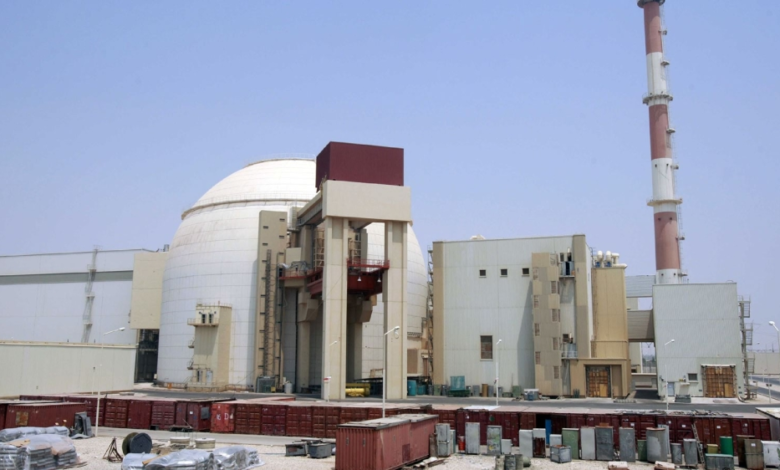
خلال التصعيد الأخير، طالت الضربات منشأة بوشهر النووية الواقعة في جنوب إيران. وقد ندد السفير الإيراني بشدة بهذه الهجمات، واصفاً إياها بأنها “انتهاك صارخ للقانون الدولي والقانون الدولي الإنساني”. وأوضح نجفي أنه حتى في أوقات الحروب، يُحظر تماماً استهداف المنشآت التي تخدم أغراضاً مدنية، معتبراً أن مثل هذا الهجوم يرقى إلى مستوى “جريمة حرب وجريمة ضد الإنسانية”. وحذر من أن أي تسرب إشعاعي محتمل لن يقتصر ضرره على تدمير البنية التحتية، بل سيؤدي إلى تلوث بيئي خطير للمياه، مما سيجبر مئات الآلاف من السكان على إخلاء منازلهم ومواجهة كارثة إنسانية.
من جانبها، أكدت الوكالة الدولية للطاقة الذرية، وهي الهيئة الأممية المكلفة بتعزيز الاستخدام السلمي للطاقة النووية، أن إيران أبلغت عن تعرض المحطة لثلاث هجمات خلال عشرة أيام. ومع ذلك، نقلت الوكالة عن مسؤولين إيرانيين تأكيدات بعدم تسجيل أي أضرار في المفاعل العامل أو رصد أي انبعاثات إشعاعية، مشيرة إلى أن الظروف داخل المحطة لا تزال طبيعية وتحت السيطرة.
التأثير الإقليمي والدولي للأزمة
يحمل هذا الحدث أهمية كبرى وتأثيرات واسعة النطاق. على المستوى الإقليمي، تزيد هذه التوترات من مخاوف اندلاع سباق تسلح نووي في الشرق الأوسط، وتعمق حالة عدم الاستقرار الأمني، خاصة مع تمسك إسرائيل بعقيدتها الأمنية الرافضة لامتلاك أي دولة معادية في المنطقة لقدرات نووية. أما على المستوى الدولي، فإن استمرار استهداف المنشآت النووية يهدد جهود معاهدة الحد من الانتشار النووي (NPT)، ويضع أسواق الطاقة العالمية تحت ضغط مستمر نتيجة المخاوف من اتساع رقعة الصراع لتشمل مضيق هرمز ومسارات الملاحة الدولية الحيوية.
دعوات دولية لضبط النفس وموقف طهران
في ظل هذه التطورات المتسارعة، أصدرت الوكالة الدولية للطاقة الذرية نداءات متكررة تدعو جميع الأطراف إلى ممارسة أقصى درجات ضبط النفس، محذرة من الخطر الكارثي لوقوع حادث في المواقع النووية الإيرانية. إلا أن طهران لم تبدِ ارتياحاً لهذا الموقف؛ حيث انتقد السفير رضا نجفي رد فعل الوكالة، معتبراً أن مجرد إطلاق الدعوات للهدوء “لا يعني شيئاً” وأنه يمثل “تقاعساً” عن اتخاذ إجراءات حازمة لحماية المنشآت النووية السلمية من الهجمات العسكرية المتكررة.