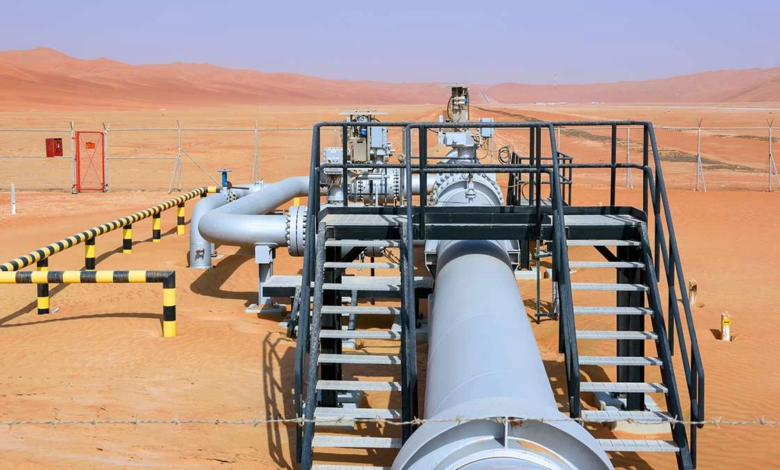

توجه خليجي استراتيجي لتقليل الاعتماد على مضيق هرمز
في ظل التوترات الجيوسياسية المتصاعدة في منطقة الشرق الأوسط، كشفت صحيفة «فاينانشال تايمز» البريطانية عن توجه جاد لدى دول الخليج العربي لإعادة تقييم خططها الاستراتيجية المتعلقة بتصدير الطاقة. وتهدف هذه الخطط إلى إنشاء خطوط أنابيب طاقة جديدة لتقليل الاعتماد على مضيق هرمز، الذي يُعد أحد أهم الممرات المائية الاستراتيجية في العالم، وذلك وسط مخاوف متزايدة من تهديدات أمنية محتملة قد تعيق حركة الملاحة البحرية وتؤثر على إمدادات الطاقة.
السياق التاريخي والأهمية الاستراتيجية لمضيق هرمز
تاريخياً، يُعتبر مضيق هرمز الشريان الحيوي للاقتصاد العالمي، حيث يمر عبره نحو خمس الاستهلاك العالمي من النفط، بالإضافة إلى كميات ضخمة من الغاز الطبيعي المسال. ومع ذلك، فإن هذا الاعتماد الكثيف جعله نقطة ضعف استراتيجية. تعود المخاوف المتعلقة بأمن المضيق إلى حقبة الثمانينيات خلال «حرب الناقلات» التي تزامنت مع الحرب العراقية الإيرانية، والتي هددت إمدادات الطاقة العالمية بشكل مباشر. هذا السياق التاريخي دفع دولاً مثل المملكة العربية السعودية إلى التفكير في بدائل آمنة منذ عقود.
خط «شرق – غرب»: ضربة استراتيجية استباقية
أوضح مسؤولون وتنفيذيون في قطاع الطاقة أن إنشاء خطوط أنابيب جديدة قد يكون السبيل الوحيد لخفض اعتماد دول الخليج على المضيق وتفادي أي اضطرابات محتملة. ورغم أن هذه المشاريع تتسم بارتفاع تكلفتها وتعقيداتها السياسية وتحتاج إلى سنوات طويلة لإنجازها، إلا أن التجارب السابقة أثبتت جدواها. وفي هذا السياق، وصف أحد كبار التنفيذيين في قطاع الطاقة الخليجي خط الأنابيب السعودي بأنه «ضربة عبقرية».
لقد سلطت التوترات الحالية الضوء مجدداً على الأهمية الاستراتيجية لخط أنابيب «شرق-غرب» (بترولاين) في السعودية، والذي يمتد لمسافة 1200 كيلومتر. أُنشئ هذا الخط في ثمانينيات القرن الماضي استجابة لمخاوف إغلاق المضيق، ويُعد اليوم شرياناً حيوياً ينقل نحو 7 ملايين برميل يومياً إلى ميناء ينبع على البحر الأحمر، متجاوزاً مضيق هرمز بالكامل. وقد أكد الرئيس التنفيذي لشركة أرامكو السعودية، أمين الناصر، للمحللين مؤخراً أن «خط شرق – غرب يمثل المسار الرئيسي الذي نعتمد عليه حالياً».
التأثير المتوقع والتحول نحو واقع عملي
على الصعيد الإقليمي والدولي، يحمل هذا التوجه أهمية كبرى. محلياً وإقليمياً، سيضمن استمرار تدفق الإيرادات النفطية لدول الخليج دون انقطاع، ويحمي اقتصاداتها من الصدمات الجيوسياسية. أما دولياً، فسيساهم في استقرار أسواق الطاقة العالمية ويمنع الارتفاعات الحادة في أسعار النفط التي غالباً ما تصاحب التهديدات بإغلاق المضيق.
ورغم تعثر خطط سابقة لإنشاء خطوط أنابيب إقليمية بسبب التكاليف الباهظة، أشارت ميسون كفافي، المستشارة البارزة لبرامج الشرق الأوسط في المجلس الأطلسي، إلى أن المزاج العام في الخليج قد تغيّر. وقالت: «أشعر بوجود تحول من مجرد سيناريوهات افتراضية إلى واقع عملي، الجميع ينظر إلى الخارطة نفسها ويصل إلى الاستنتاجات ذاتها».
رؤية مستقبلية: ممرات تجارية متكاملة
وأضافت كفافي أن الخيار الأكثر مرونة قد لا يكون خط أنابيب واحد، بل شبكة متكاملة من الممرات، رغم صعوبة تنفيذ هذا الخيار. وعلى المدى الطويل، من المرجح أن تصبح خطوط الأنابيب الجديدة جزءاً من ممرات تجارية أوسع تُنقل عبرها سلع متعددة، وليس فقط النفط والغاز، مما يعزز من التكامل الاقتصادي الإقليمي ويخلق بنية تحتية مرنة قادرة على مواجهة تحديات المستقبل.