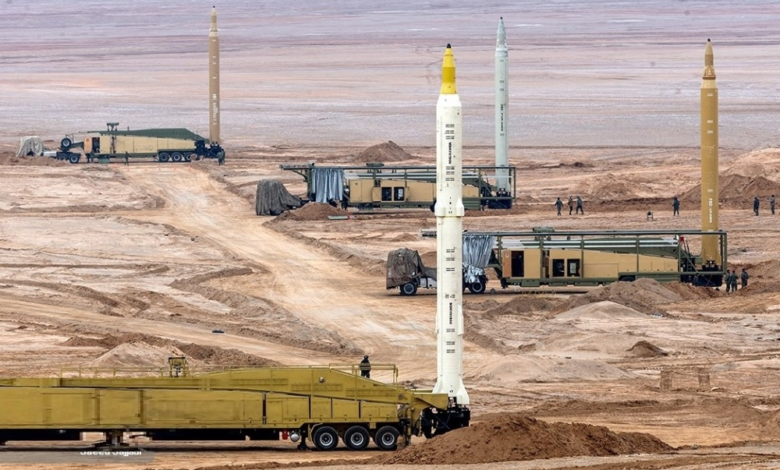

في ظل التوترات الجيوسياسية المتسارعة في منطقة الشرق الأوسط، كشف مسؤول أمريكي رفيع المستوى عن تطورات ميدانية خطيرة تتعلق بالتحركات العسكرية لطهران. فقد أفادت تقارير حديثة بأن إيران نقلت منصات إطلاق صواريخ أرض-أرض وأعادت فتح عشرات المواقع الصاروخية، في خطوة تُقرأ على أنها استعداد لتجدد القتال أو تحسباً لأي تصعيد عسكري محتمل في المنطقة. هذا التطور يضع المنطقة بأسرها على صفيح ساخن، وينذر بمرحلة جديدة من التصعيد بين واشنطن وطهران.
وحسبما نقلت قناة “العربية” عبر حسابها الرسمي على منصة “إكس”، نقلاً عن صحيفة “نيويورك تايمز” الأمريكية، فإن الاستخبارات الأمريكية رصدت تحركات مكثفة تشير إلى إعادة تفعيل مواقع صاروخية إيرانية كانت غير نشطة. وتأتي هذه التحركات في وقت حرج تتشابك فيه الملفات الأمنية والسياسية، مما دفع واشنطن إلى توجيه رسائل حازمة.
تحذيرات أمريكية حازمة: التفاوض عبر القنابل
لم تتأخر الإدارة الأمريكية في الرد على هذه التحركات، حيث صرح المسؤول الأمريكي بأن على إيران أن تقدم تنازلات جوهرية في مفاوضاتها الحالية. ووجه تحذيراً شديد اللهجة، مشيراً إلى أنه في حال لم تغير طهران من موقفها المتعنت، فإن “التفاوض سيكون عبر القنابل”، في إشارة واضحة إلى الخيار العسكري الذي طالما وضعته واشنطن على الطاولة كخيار أخير. وأضاف المسؤول أنه لا يوجد تقدم يُذكر بشأن البرنامج النووي الإيراني، مؤكداً الحاجة الماسة إلى حوار جاد وعميق ومفصل لتجنب الانزلاق نحو مواجهة شاملة.
السياق التاريخي لأزمة البرنامج النووي الإيراني
لفهم جذور هذا التصعيد، يجب العودة إلى السياق التاريخي للأزمة. منذ انسحاب الولايات المتحدة الأمريكية من الاتفاق النووي (خطة العمل الشاملة المشتركة) في عام 2018، وإعادة فرض العقوبات الاقتصادية القاسية، اتخذت إيران سلسلة من الخطوات التصعيدية. شملت هذه الخطوات رفع نسب تخصيب اليورانيوم إلى مستويات متقدمة، وتطوير ترسانتها من الصواريخ الباليستية، مما جعل من مسألة العودة إلى طاولة المفاوضات أمراً بالغ التعقيد، حيث تسعى كل من واشنطن وطهران لفرض شروطها المسبقة.
المفاوضات غير المباشرة والمقترح الإيراني المعدل
في سياق الجهود الدبلوماسية المتعثرة، أوضح المسؤول الأمريكي لموقع “أكسيوس” أن الضغط الأمريكي المستمر يهدف بالأساس إلى دفع طهران للاستجابة بالشكل الصحيح للمتطلبات الدولية. وأكد أن واشنطن لا تجري حالياً محادثات مباشرة مع إيران بشأن جوهر الاتفاق النووي، بل تقتصر الاتصالات على محادثات غير مباشرة للاتفاق على شكل وإطار المفاوضات المستقبلية.
وفيما يتعلق بالمقترحات الدبلوماسية، كشف المسؤول أن إيران قدمت مقترحاً معدلاً يعكس بوضوح قلقها من احتمالية استئناف واشنطن للعمليات العسكرية. ورغم أن هذا المقترح تضمن التزاماً صريحاً بعدم السعي لامتلاك سلاح نووي، وبعض التحسينات الطفيفة مقارنة بالنسخ السابقة، إلا أن الإدارة الأمريكية اعتبرته “غير كافٍ” لإبرام اتفاق شامل ومستدام يضمن أمن المنطقة.
التأثير المتوقع للتصعيد على المستويين الإقليمي والدولي
يحمل هذا التصعيد ونقل منصات إطلاق الصواريخ تداعيات واسعة النطاق. على المستوى الإقليمي، يثير هذا التحرك قلق دول الجوار، التي تعتبر البرنامج الصاروخي والنووي الإيراني تهديداً لأمنها واستقرارها. أي خطأ في الحسابات قد يؤدي إلى اندلاع صراع إقليمي واسع يجر وراءه أطرافاً متعددة في المنطقة.
أما على المستوى الدولي، فإن تصاعد التوتر في هذه المنطقة الحيوية يهدد أمن الملاحة البحرية في الممرات المائية الاستراتيجية، التي يمر عبرها جزء كبير من إمدادات الطاقة العالمية. وبالتالي، فإن أي مواجهة عسكرية ستؤدي حتماً إلى تقلبات حادة في أسواق النفط العالمية، مما ينعكس سلباً على الاقتصاد العالمي بأسره.