
تدخلات الحرس الثوري في الملاحة البحرية
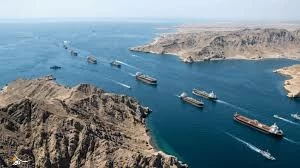
كشفت تقارير إعلامية دولية، وتحديداً وكالة “بلومبيرغ”، عن تطورات خطيرة تتعلق بحركة الملاحة البحرية الدولية. حيث بدأت إيران في فرض شروط جديدة ومعقدة على السفن التجارية، مطالبة إياها بضرورة التواصل مع شركات وسيطة ترتبط بشكل مباشر بـ الحرس الثوري الإيراني كشرط أساسي للسماح لها بعبور مضيق هرمز الاستراتيجي.
وأوضحت الوكالة في تقريرها المفصل أن السلطات الإيرانية لم تكتفِ بهذا المطلب، بل طالبت السفن أيضاً بتغيير دول تسجيلها ورفع أعلام دول تُصنفها طهران كـ “دول صديقة” لضمان مرورها الآمن عبر المضيق. وفي المقابل، قوبلت هذه المطالب برفض قاطع من قبل العديد من كبرى شركات الشحن البحري العالمية، التي اعتبرت تغيير دولة التسجيل إجراءً غير عملي ومخالفاً للأعراف البحرية المستقرة. ورغم هذه التوترات، أشارت التقارير إلى أن حركة عبور السفن في مضيق هرمز شهدت ارتفاعاً طفيفاً مؤخراً، إلا أنها لا تزال عند مستويات ضئيلة جداً مقارنة بمعدلاتها الطبيعية.
الأهمية الاستراتيجية لمضيق هرمز والخلفية التاريخية
يُعد مضيق هرمز واحداً من أهم الممرات المائية وأكثرها حساسية في العالم، حيث يربط بين الخليج العربي وخليج عُمان وبحر العرب. وتكمن أهميته الاستراتيجية في كونه الشريان الرئيسي لتدفق إمدادات الطاقة العالمية؛ إذ يمر عبره في الظروف العادية نحو خُمس الاستهلاك العالمي من النفط الخام، بالإضافة إلى كميات هائلة من الغاز الطبيعي المسال. تاريخياً، لطالما استخدمت إيران ورقة مضيق هرمز كأداة ضغط سياسي وعسكري في مواجهة العقوبات الدولية والتوترات مع الغرب، مما يجعل أي تهديد للملاحة فيه أزمة ذات أبعاد اقتصادية عالمية تؤثر على أسعار الطاقة وتكاليف التأمين البحري.
تصاعد الأزمة وتأثيرها على الأسواق العالمية
وقد أحكمت إيران قبضتها الأمنية والعسكرية على المضيق بشكل ملحوظ عقب تصاعد التوترات الإقليمية، لا سيما بعد الهجمات والضربات المتبادلة التي شهدتها المنطقة في 28 فبراير الماضي، والتي شملت تحركات أمريكية وإسرائيلية. هذا التصعيد العسكري أدى إلى تراجع حاد في ثقة شركات الشحن، مما قلل من مرور السفن عبر هذه النقطة الخانقة. وفي خطوة تمييزية، سمحت طهران لبعض السفن التابعة لدول تعتبرها حليفة بالعبور من خلال مسارات بحرية تم الاتفاق عليها مسبقاً، بينما وجهت تهديدات صريحة باستهداف السفن التي تعود ملكيتها أو ترتبط بتحالفات مع الولايات المتحدة الأمريكية أو إسرائيل.
جهود دبلوماسية لاحتواء الموقف
على الصعيد الدولي، تسببت هذه الإجراءات في حالة من القلق التي ألقت بظلالها على استقرار الأسواق المالية وأسواق الطاقة. وفي محاولة لاحتواء الموقف وتخفيف حدة الأزمة، تبذل دول حليفة للولايات المتحدة، وعلى رأسها فرنسا، جهوداً دبلوماسية حثيثة ومساعي مبدئية لفتح قنوات حوار. ومع ذلك، لم تسفر هذه التحركات الدبلوماسية حتى اللحظة عن أي تقدم ملموس يضمن عودة الملاحة إلى طبيعتها.
وبعد مرور نحو خمسة أسابيع على اندلاع هذه الموجة الجديدة من التوترات والعمليات العسكرية المتبادلة، لا يزال المشهد الإقليمي يتسم بالضبابية، مما يُنذر باستمرار حالة عدم الاستقرار التي تهدد الأمن الاقتصادي العالمي وتضع سلاسل الإمداد الدولية أمام تحديات غير مسبوقة.