
موقف ترامب: انتظار الرد وتجنب التصعيد
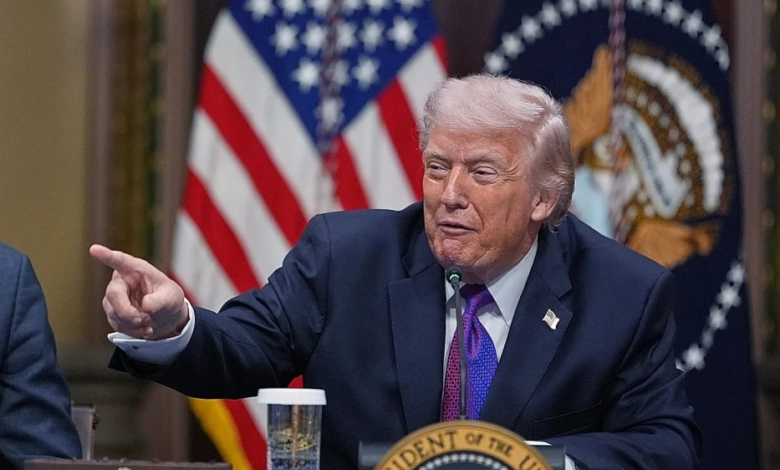
أكد الرئيس الأمريكي دونالد ترامب في تصريحات حديثة أنه لا يسعى إلى الانخراط في حرب جديدة ضد إيران، مشيراً إلى أنه يفضل التريث والانتظار لبضعة أيام لتلقي رد مناسب من طهران يضمن تجنب أي تصعيد عسكري واسع النطاق. ووفقاً لما نقلته قناة العربية عبر حسابها الرسمي على منصة إكس، وصف ترامب إيران بأنها دولة مهزومة، لكنه شدد في الوقت ذاته على الاستعداد التام للتحرك العسكري ضدها في حال عدم تلقي الرد الدبلوماسي أو السياسي المناسب. وأوضح ترامب أن إدارته تتعامل حالياً مع شخصيات في إيران يمتلكون منطقاً، مؤكداً أن عليهم التوقيع على صفقة شاملة. وجدد التزامه الصارم بعدم تخفيف أي عقوبات اقتصادية قبل إتمام التوقيع على هذا الاتفاق، واصفاً سياسة الحصار والعقوبات التي فُرضت على طهران بأنها كانت رائعة وممتازة وأتت بثمارها.
الرد الإيراني: اتهامات بالسعي لحرب جديدة
على الجانب الآخر، تعكس التصريحات الإيرانية حالة من التوجس والرفض للضغوط الأمريكية. فقد صرح رئيس مجلس الشورى الإيراني، محمد باقر قاليياف، بأن الولايات المتحدة الأمريكية تسعى فعلياً إلى إشعال فتيل حرب جديدة ضد بلاده. وأكد قاليياف أن الهدف الحقيقي لواشنطن هو إجبار الأمة الإيرانية على الاستسلام التام في هذه المواجهة المفتوحة التي بدأت فصولها منذ أشهر طويلة. وأضاف قاليياف، الذي قاد وفد بلاده في جولة مباحثات سابقة في إسلام آباد، أن التحركات الأمريكية، سواء كانت معلنة أو سرية، تثبت بما لا يدع مجالاً للشك أن واشنطن لم تتخلَّ عن أهدافها العسكرية، وذلك على الرغم من حملات الضغط الاقتصادي والسياسي المكثفة. وفي رسالة صوتية بثتها وسائل الإعلام الإيرانية، شدد على أن المتابعة الدقيقة للوضع الداخلي في الولايات المتحدة تعزز الاعتقاد بأن الإدارة الأمريكية لا تزال تراهن على استسلام طهران، وهو ما ترفضه القيادة الإيرانية بشدة.
السياق التاريخي لسياسة الضغوط القصوى
لفهم أبعاد هذه التصريحات المتبادلة في ملف ترامب وإيران، يجب العودة إلى السياق التاريخي القريب. فخلال فترة رئاسة ترامب الأولى، اتخذت إدارته قراراً حاسماً في عام 2018 بالانسحاب الأحادي من الاتفاق النووي الإيراني (خطة العمل الشاملة المشتركة) الذي وُقع في عام 2015. تبنى ترامب حينها استراتيجية عُرفت باسم الضغوط القصوى، والتي تضمنت فرض حزم قاسية ومتتالية من العقوبات الاقتصادية التي استهدفت بشكل رئيسي قطاعي النفط والبنوك في إيران. أدت هذه السياسة إلى خنق الاقتصاد الإيراني وتراجع قيمة العملة المحلية بشكل غير مسبوق. وقد وصلت التوترات بين البلدين إلى حافة الهاوية في مطلع عام 2020 عقب الغارة الأمريكية التي أودت بحياة قائد فيلق القدس قاسم سليماني، مما جعل المنطقة بأسرها تحبس أنفاسها خوفاً من اندلاع حرب إقليمية شاملة.
التداعيات الإقليمية والدولية المحتملة
تحمل التطورات الحالية في العلاقات الأمريكية الإيرانية أهمية استراتيجية كبرى تتجاوز حدود البلدين لتؤثر على الساحتين الإقليمية والدولية. على المستوى الإقليمي، يشهد الشرق الأوسط حالة من عدم الاستقرار، وأي تصعيد بين واشنطن وطهران سينعكس فوراً على أمن الملاحة البحرية، وتحديداً في مضيق هرمز الاستراتيجي الذي يمر عبره نحو خُمس استهلاك العالم من النفط. كما أن دول الخليج العربي تراقب هذه التطورات بحذر شديد، حيث تسعى جاهدة للحفاظ على استقرار المنطقة وتجنب أي صراعات مسلحة قد تعيق خطط التنمية الاقتصادية الطموحة. أما على الصعيد الدولي، فإن الأسواق العالمية تتأثر بشدة بأي تلويح بالحرب في هذه المنطقة الحيوية، مما قد يؤدي إلى تقلبات حادة في أسعار الطاقة. بالإضافة إلى ذلك، تتابع القوى الكبرى مثل الصين وروسيا والاتحاد الأوروبي هذا المشهد المعقد، نظراً لتأثيره المباشر على التوازنات الجيوسياسية العالمية وجهود الحد من الانتشار النووي.