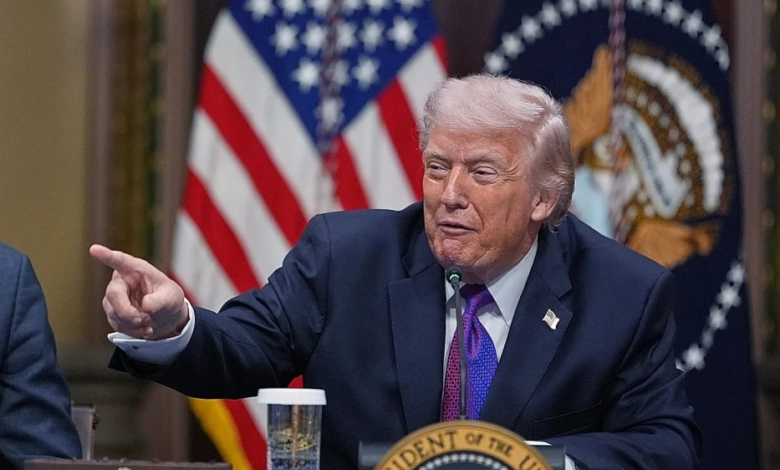

في ظل التوترات الجيوسياسية المستمرة في منطقة الشرق الأوسط، تتجه الأنظار مجدداً نحو مسار العلاقات المعقدة بين واشنطن وطهران. وفي أحدث التطورات، صرح الرئيس الأمريكي دونالد ترامب بأنه لا يسعى إلى الانخراط في حرب جديدة ضد إيران، مؤكداً في الوقت ذاته أنه سينتظر بضعة أيام لتلقي “رد مناسب” من القيادة الإيرانية، وذلك في خطوة تهدف إلى تجنب انزلاق المنطقة نحو تصعيد عسكري أكبر لا تحمد عقباه.
شروط أمريكية صارمة وعقوبات مستمرة
وفي تفاصيل الموقف الأمريكي، نقلت قناة “العربية” عبر حسابها الرسمي على منصة “إكس” تصريحات لترامب وصف فيها إيران بأنها “دولة مهزومة”، مشدداً على استعداد إدارته للتحرك العسكري ضدها في حال لم تتلقَ واشنطن الرد الدبلوماسي المناسب. وأوضح ترامب أن إدارته تتعامل حالياً مع شخصيات داخل إيران تمتلك “منطقاً”، مشيراً إلى أن الخيار الوحيد أمامهم هو التوقيع على صفقة جديدة وشاملة.
وأكد الرئيس الأمريكي بوضوح أن إدارته لن تقوم بتخفيف أي من العقوبات الاقتصادية المفروضة على طهران قبل التوقيع الرسمي على الاتفاق. ووصف ترامب استراتيجية الحصار الاقتصادي والعقوبات التي فُرضت على إيران بأنها كانت “رائعة وممتازة”، مشدداً على أن التسلسل المنطقي للأحداث يجب أن يبدأ بالاتفاق أولاً، يليه النظر في مسألة تخفيف العقوبات.
السياق التاريخي لسياسة الضغط الأقصى
تأتي هذه التصريحات امتداداً لسياسة “الضغط الأقصى” التي تبنتها الإدارة الأمريكية تجاه طهران، والتي تجلت أبرز محطاتها في الانسحاب الأمريكي الأحادي من الاتفاق النووي في عام 2018. منذ ذلك الحين، فرضت واشنطن حزماً متتالية من العقوبات القاسية التي استهدفت قطاعات حيوية في الاقتصاد الإيراني، وعلى رأسها قطاع النفط والمصارف، بهدف إجبار طهران على التفاوض حول برنامجها النووي والصاروخي ونفوذها الإقليمي.
الموقف الإيراني: تحذيرات من حرب جديدة
على الجانب الآخر، تقابل طهران هذه الضغوط برفض قاطع لما تصفه بمحاولات الإخضاع. وفي هذا السياق، صرح رئيس مجلس الشورى الإيراني، محمد باقر قالیباف، بأن الولايات المتحدة تسعى فعلياً إلى بدء حرب جديدة ضد إيران، مؤكداً أن الهدف الحقيقي لواشنطن هو إجبار طهران على الاستسلام التام في المواجهة المفتوحة التي بدأت فصولها منذ أشهر.
وأضاف قاليباف، الذي قاد وفد بلاده خلال جولة مباحثات سابقة جرت في إسلام آباد الشهر الماضي، أن التحركات الأمريكية، سواء المعلنة أو السرية، تثبت أن واشنطن لم تتخلَّ عن أهدافها العسكرية، رغم كل الضغوط الاقتصادية والسياسية الممارسة. وتابع في رسالة صوتية بثتها وسائل الإعلام الإيرانية الرسمية: “إن المتابعة الدقيقة للوضع الداخلي والتوجهات في الولايات المتحدة تعزز الاحتمال بأنهم ما زالوا يأملون في استسلام الأمة الإيرانية، وهو ما لن يحدث”.
التأثير المتوقع على المشهد الإقليمي والدولي
تحمل هذه التجاذبات الحادة أهمية كبرى وتأثيرات بالغة على المستويين الإقليمي والدولي. فمحلياً وإقليمياً، يثير أي تصعيد محتمل مخاوف جدية بشأن أمن الملاحة في الخليج العربي ومضيق هرمز، الذي يمر عبره جزء كبير من إمدادات الطاقة العالمية. أما على الصعيد الدولي، فإن استمرار حالة اللاسلم واللاحرب يضع المجتمع الدولي في موقف صعب، حيث تسعى الدول الكبرى جاهدة للحفاظ على الاستقرار ومنع انهيار الجهود الدبلوماسية بالكامل، وسط تحذيرات من أن أي سوء تقدير من كلا الطرفين قد يشعل أزمة عالمية تؤثر بشدة على أسواق المال والطاقة.