
تفاصيل التفاهم الجديد بين إيران وأمريكا
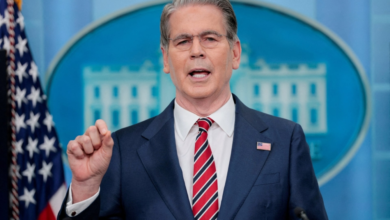
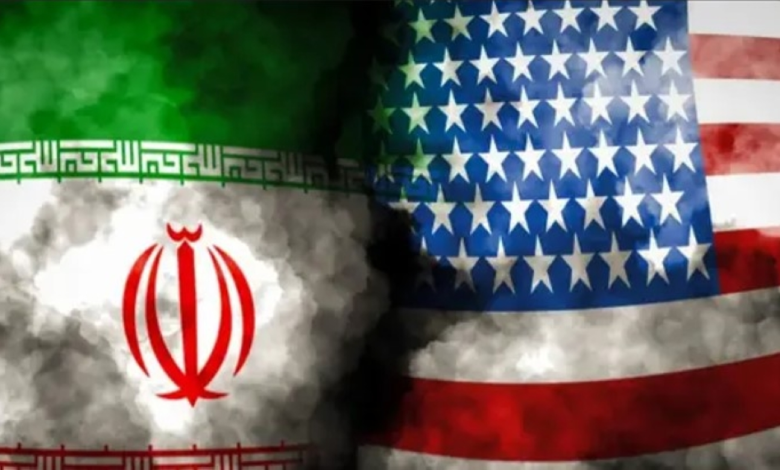
أكدت وزارة الخارجية الإيرانية، عبر متحدثها الرسمي إسماعيل بقائي، وجود تقارب ملموس مع الولايات المتحدة الأمريكية يهدف إلى صياغة إطار تفاهم شامل يتكون من 14 بنداً. يأتي هذا التطور البارز بوساطة فاعلة تقودها باكستان، في مسعى جاد لإنهاء حالة الحرب والتوترات المتصاعدة في منطقة الشرق الأوسط. وتتزامن هذه التصريحات مع تلميحات إيجابية من وزير الخارجية الأمريكي ماركو روبيو، الذي أشار خلال زيارته إلى نيودلهي إلى إمكانية التوصل إلى اتفاق قريب بين واشنطن وطهران، مؤكداً إحراز تقدم ملحوظ في المباحثات الثنائية.
السياق التاريخي والضغوط القصوى
تاريخياً، اتسمت العلاقات بين طهران وواشنطن بعقود من القطيعة والتوتر منذ عام 1979، تخللتها محطات تصعيد كبرى، أبرزها الانسحاب الأمريكي من الاتفاق النووي (خطة العمل الشاملة المشتركة) في عام 2018 وفرض سياسة “الضغوط القصوى”. هذا السياق التاريخي المعقد يجعل من أي تقارب حالي حدثاً استثنائياً، خاصة في ظل الصراعات المتشابكة التي يشهدها الشرق الأوسط حالياً، والتي وضعت المنطقة مراراً على حافة حرب إقليمية شاملة.
وساطة باكستانية ومهلة حاسمة
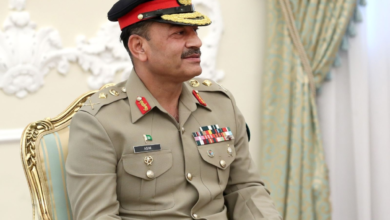
وفي تفاصيل التفاهم الجديد، أوضح المتحدث الإيراني للتلفزيون الرسمي أن الأسابيع الماضية شهدت مباحثات مكثفة أفضت إلى هذا الميل نحو التقارب. ورغم تأكيده على أن هذا لا يعني الاتفاق الفوري على كافة القضايا الخلافية، إلا أنه أشار إلى أن الجانبين في مرحلة إنجاز “إطار تفاهم” يرتكز على تسوية مقبولة للطرفين. وأضاف بقائي أن البروتوكول يركز بشكل أساسي على إنهاء “الحرب المفروضة”، مع تحديد مهلة زمنية تتراوح بين 30 إلى 60 يوماً لبحث التفاصيل الدقيقة وإبرام اتفاق نهائي. وقد برز الدور الباكستاني جلياً بعد الزيارة الهامة التي قام بها قائد الجيش الباكستاني، المشير عاصم منير، إلى طهران، مما يعكس ثقل إسلام آباد الدبلوماسي في تقريب وجهات النظر.
تأجيل الملف النووي الإيراني
من أبرز ملامح هذا التفاهم المبدئي هو استبعاد “الملف النووي الإيراني” من النقاشات الحالية. وفي هذا السياق، شدد بقائي على أن الأولوية المطلقة الآن هي وضع حد للحرب الدائرة، مشيراً إلى أن المسألة النووية سيتم بحثها بشكل منفصل في وقت لاحق. واعتبر المسؤول الإيراني أن الملف النووي طالما استُخدم كذريعة لشن حروب على الشعب الإيراني. من الناحية الاستراتيجية، يُعد فصل مسار التهدئة العسكرية عن مسار المفاوضات النووية المعقدة خطوة براغماتية لتجنب تعثر المبادرة الحالية، نظراً للتعقيدات التقنية والسياسية التي تحيط ببرنامج طهران النووي ومخاوف المجتمع الدولي.
أزمة مضيق هرمز وتأثيرها العالمي
على الصعيد الاقتصادي والأمني، يبرز ملف “مضيق هرمز” كأحد أعقد النقاط العالقة. يُعد المضيق شرياناً حيوياً يمر عبره نحو خُمس استهلاك العالم من النفط، وأي تعطيل للملاحة فيه ينعكس فوراً على أسواق الطاقة العالمية. ومع إغلاق إيران للمضيق أمام حركة الشحن رداً على التوترات، وفرض واشنطن حصاراً بحرياً على الموانئ الإيرانية منذ أوائل أبريل، تفاقمت أزمة سلاسل الإمداد. وأكد بقائي أن مسودة التفاهم تتطرق لمستقبل المضيق، مطالباً بإنهاء ما وصفه بـ “القرصنة الأمريكية” المتمثلة في الحصار البحري.
التأثير المتوقع للاتفاق
إن نجاح هذا التفاهم ذي الـ 14 بنداً لن يقتصر تأثيره على النطاق المحلي للبلدين، بل سيمتد ليحدث تغييراً جذرياً على المستويين الإقليمي والدولي. إقليمياً، سيساهم في خفض التصعيد وتجنب الانزلاق نحو صراع أوسع يدمر البنى التحتية. ودولياً، سيؤدي استقرار الملاحة في مضيق هرمز إلى طمأنة الأسواق العالمية، واستقرار أسعار الطاقة، وتخفيف معدلات التضخم التي ترهق الاقتصاد العالمي.