
تصعيد جديد: تايوان تتهم الصين بتهديد السلام الإقليمي
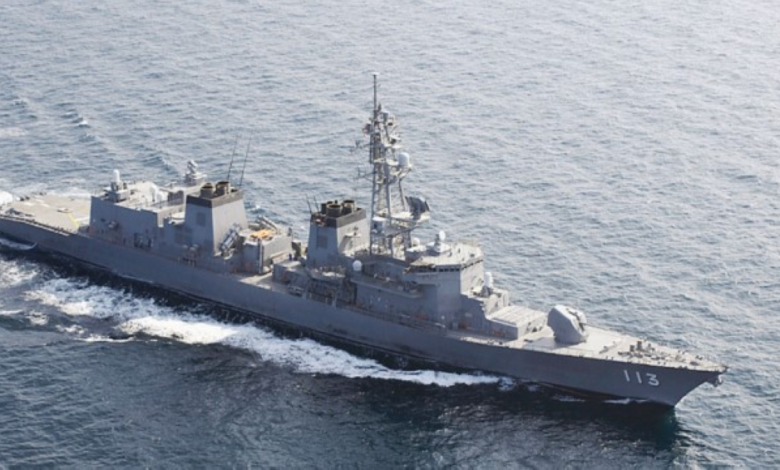
في تصعيد جديد يعكس عمق الأزمة الآسيوية، وجهت تايوان اتهامات صريحة ومباشرة إلى جارتها الصين بتهديد السلام والاستقرار في منطقة المحيط الهادئ وبحر الصين. جاء هذا التطور الخطير بعد إعلان مسؤول تايواني رفيع المستوى عن تحركات عسكرية صينية مكثفة وغير مسبوقة. وفي التفاصيل، صرح جوزيف وو، رئيس مجلس الأمن القومي التايواني، عبر حسابه الرسمي على منصة “إكس”، بأن بكين قامت بنشر أكثر من مئة سفينة حربية وقطعة بحرية تابعة لخفر السواحل في المياه الإقليمية.
ويمتد هذا الانتشار العسكري الواسع من البحر الأصفر شمالاً، وصولاً إلى بحر الصين الجنوبي وغربي المحيط الهادئ، مما يشكل طوقاً بحرياً يثير قلق تايبيه والمجتمع الدولي على حد سواء. وأكد “وو” أن هذا التحرك الذي جرى على مدى الأيام القليلة الماضية يهدف بشكل واضح إلى تخريب الوضع القائم وتهديد الأمن الإقليمي.
السياق التاريخي: جذور الصراع بين بكين وتايبيه
لفهم جذور هذا التوتر، يجب العودة إلى السياق التاريخي للصراع بين الصين وتايوان. تعود الأزمة إلى عام 1949 عندما انتهت الحرب الأهلية الصينية بانتصار الشيوعيين وتأسيس جمهورية الصين الشعبية، مما دفع الحكومة القومية للانسحاب إلى جزيرة تايوان. ومنذ ذلك الحين، تعتبر بكين تايوان إقليماً متمرداً وجزءاً لا يتجزأ من أراضيها، وتتوعد باستعادته حتى لو لزم الأمر استخدام القوة العسكرية. في المقابل، طورت تايوان نظاماً ديمقراطياً واقتصاداً قوياً، وتدير شؤونها كدولة مستقلة، رغم عدم الاعتراف الدولي الواسع بها كدولة ذات سيادة بسبب ضغوط بكين الدبلوماسية.
الموقف الأمريكي وتصريحات ترامب الأخيرة
تتداخل في هذا الصراع قوى دولية كبرى، على رأسها الولايات المتحدة الأمريكية التي تلعب دوراً مزدوجاً ومعقداً. فمن جهة، تلتزم واشنطن بسياسة “الصين الواحدة”، ومن جهة أخرى، يفرض عليها “قانون العلاقات مع تايوان” تزويد الجزيرة بالأسلحة اللازمة للدفاع عن نفسها. وفي هذا السياق، جاءت التصريحات الأخيرة للرئيس الأمريكي دونالد ترامب، والتي حذر فيها تايوان من مغبة الإقدام على إعلان الاستقلال الرسمي، خشية اندلاع مواجهة عسكرية شاملة.
هذا التحذير دفع وزارة الخارجية التايوانية إلى إصدار بيان حازم وسريع، شددت فيه على أن تايوان “دولة ديمقراطية ذات سيادة ومستقلة بالفعل، وليست خاضعة بأي شكل من الأشكال لجمهورية الصين الشعبية”، مؤكدة تمسكها بحقها في تقرير المصير والدفاع عن مكتسباتها الديمقراطية.
التأثير المتوقع: تداعيات إقليمية ودولية
إن أهمية هذا الحدث تتجاوز الحدود المحلية والإقليمية لتشمل الاقتصاد والأمن العالميين. إقليمياً، تثير التحركات الصينية مخاوف الدول المجاورة مثل اليابان والفلبين، اللتين تشهدان أيضاً نزاعات بحرية مع بكين في بحر الصين الجنوبي والشرقي. أما دولياً، فإن أي تصعيد عسكري أو حصار بحري لتايوان سيؤدي إلى شلل في حركة الملاحة التجارية العالمية في أحد أهم الممرات المائية.
والأهم من ذلك، أن تايوان تستحوذ على أكثر من 60% من إنتاج أشباه الموصلات والرقائق الإلكترونية المتقدمة في العالم. بالتالي، فإن أي صراع مسلح سيؤدي إلى أزمة اقتصادية وتكنولوجية عالمية طاحنة، مما يجعل الحفاظ على “الوضع القائم” مصلحة استراتيجية عليا للولايات المتحدة وأوروبا وآسيا على حد سواء.