
تفاصيل زلزال هاواي وموقعه
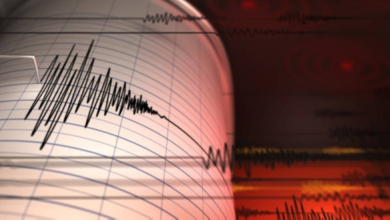
تعرضت جزيرة هاواي الأمريكية لحدث جيولوجي بارز، حيث ضرب زلزال بقوة 5.9 درجة على مقياس ريختر منطقة قريبة من بلدة هوناوناو-نابوبو. وقد أثار هذا الحدث اهتماماً واسعاً نظراً للطبيعة الجغرافية والجيولوجية الحساسة للجزيرة التي تشهد نشاطاً مستمراً. ووفقاً للبيانات الرسمية والدقيقة التي أصدرتها هيئة المسح الجيولوجي الأمريكية (USGS)، وهي الجهة المعتمدة عالمياً لمراقبة النشاط الزلزالي، فقد وقع مركز الزلزال على عمق يقدر بنحو 25 كيلومتراً تحت سطح الأرض. هذا العمق المتوسط يلعب دوراً مهماً في تحديد مدى الشعور بالهزة الأرضية على السطح وحجم تأثيرها الفعلي على البنية التحتية.
الخسائر والتأثيرات المباشرة
وفيما يتعلق بالخسائر والتأثيرات المباشرة للحدث، أكدت التقارير الأولية الواردة من السلطات المحلية وفرق الطوارئ في الولاية أنه لم ترد حتى اللحظة أي أنباء عن وقوع أضرار بشرية أو إصابات بين السكان المحليين أو السياح المتواجدين بكثافة في المنطقة. كما لم تُسجل أضرار مادية جسيمة في المباني أو الممتلكات العامة والخاصة جراء الزلزال. وتعمل فرق الدفاع المدني والجهات المختصة في ولاية هاواي على إجراء عمليات مسح شاملة ومستمرة للمناطق القريبة من مركز الهزة لضمان سلامة الجميع وتقييم أي تداعيات محتملة قد تظهر لاحقاً.
السياق الجيولوجي والنشاط البركاني في هاواي
تاريخياً، لا يُعد النشاط الزلزالي أمراً غريباً على جزر هاواي، بل هو جزء لا يتجزأ من طبيعتها التكوينية. تقع هاواي في منطقة نشطة جيولوجياً، وغالباً ما ترتبط الزلازل فيها بحركة الصهارة البركانية (الماجما) تحت سطح الأرض، خاصة مع وجود براكين نشطة عالمياً مثل بركان كيلاويا وبركان ماونا لوا. ورغم أن هذا الزلزال لم يُربط فوراً بثوران بركاني وشيك، إلا أن علماء الجيولوجيا يراقبون هذه الهزات بدقة بالغة لأنها قد تكون مؤشراً على تغيرات في الضغط تحت القشرة الأرضية. بالإضافة إلى ذلك، تتأثر المنطقة بموقعها الاستراتيجي بالقرب من حزام النار في المحيط الهادئ، وهي منطقة تشهد النسبة الأكبر من الزلازل والبراكين على مستوى العالم.
مخاطر التسونامي واستجابة السلطات
من الجدير بالذكر أن زلزالاً بقوة 5.9 درجة، رغم أنه يُصنف كزلزال متوسط إلى قوي ويمكن الشعور به على نطاق واسع، إلا أنه عادة لا يكون كافياً لتوليد موجات مد عاتية (تسونامي) مدمرة. وعادة ما يقوم مركز التحذير من أمواج التسونامي في المحيط الهادئ بإصدار بيانات طمأنة في مثل هذه الحالات لمنع انتشار الذعر بين السكان. وتستمر السلطات في توعية المواطنين بضرورة اتباع إرشادات السلامة العامة، مثل الابتعاد عن النوافذ أثناء الهزات الارتدادية المحتملة، وتأمين الأشياء الثقيلة في المنازل. يُبرز هذا الحدث أهمية الاستثمار المستمر في أنظمة الإنذار المبكر وتطوير البنية التحتية لتكون أكثر مقاومة للزلازل.