
مقدمة عن التوترات الأمنية في منطقة الخليج
تشهد منطقة الخليج العربي توترات جيوسياسية مستمرة، حيث تُعد الهجمات التي تُنسب إلى إيران أو الجماعات المسلحة المدعومة منها على المواقع المدنية والاقتصادية واحدة من أبرز التحديات الأمنية في العصر الحديث. هذه الهجمات لا تستهدف فقط البنية التحتية الحيوية لدول الخليج، بل تمتد تداعياتها العميقة لتشمل الاقتصاد العالمي وأمن الطاقة وحركة التجارة الدولية.
السياق العام والخلفية التاريخية
تتمتع منطقة الخليج العربي بأهمية استراتيجية واقتصادية بالغة، حيث يمر عبر مضيق هرمز نسبة كبيرة من إمدادات النفط العالمية. على مدار السنوات الماضية، تصاعدت حدة التوترات بين إيران والمجتمع الدولي، لا سيما بعد انسحاب الولايات المتحدة من الاتفاق النووي في عام 2018 وفرض عقوبات اقتصادية صارمة. وقد تجلى هذا التصعيد في سلسلة من الحوادث الأمنية، أبرزها الهجمات غير المسبوقة التي استهدفت منشآت نفطية تابعة لشركة أرامكو السعودية في بقيق وخريص عام 2019، والتي أدت إلى توقف مؤقت لنحو نصف إنتاج المملكة من النفط. ورغم نفي طهران المتكرر، إلا أن تقارير استخباراتية دولية وأممية أشارت إلى تورط إيراني مباشر أو عبر وكلاء إقليميين في استهداف البنية التحتية المدنية، بما في ذلك المطارات والموانئ والسفن التجارية العابرة للممرات المائية الدولية.
أهمية الحدث وتأثيره المتوقع
التأثير المحلي والإقليمي
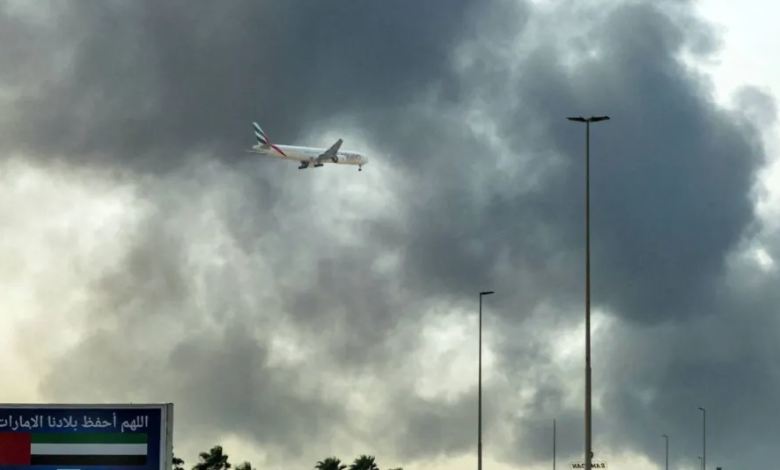
على الصعيد المحلي والإقليمي، تفرض هذه الهجمات تحديات أمنية غير مسبوقة على دول مجلس التعاون الخليجي. استهداف المواقع المدنية مثل المطارات ومحطات تحلية المياه والمنشآت النفطية يهدد حياة المدنيين ويعطل عجلة التنمية الاقتصادية المستدامة. ونتيجة لذلك، سارعت دول المنطقة إلى تعزيز قدراتها الدفاعية وتحديث منظومات الدفاع الجوي لاعتراض الطائرات المسيرة والصواريخ الباليستية. كما أن هذه التوترات تعمق من حالة عدم الاستقرار الإقليمي، وتزيد من تعقيد الجهود الرامية إلى إيجاد حلول سلمية للنزاعات المشتعلة في دول الجوار، حيث تلعب الفصائل المسلحة دوراً رئيسياً في تنفيذ أجندات سياسية بالوكالة.
التأثير الدولي والاقتصادي
لا يقتصر تأثير الهجمات على المواقع المدنية في الخليج على النطاق الجغرافي للمنطقة، بل يمتد ليشمل الاقتصاد العالمي بأسره. أي تهديد لأمن الملاحة في الخليج العربي أو بحر عمان ينعكس فوراً على أسواق الطاقة العالمية، مما يؤدي إلى تذبذب أسعار النفط والغاز وزيادة تكاليف التأمين والشحن البحري. هذا الأمر يثير قلق الدول الصناعية الكبرى التي تعتمد بشكل كبير على واردات الطاقة من الشرق الأوسط. علاوة على ذلك، فإن استهداف البنية التحتية المدنية يُعد انتهاكاً صارخاً للقانون الدولي الإنساني، مما يستدعي تدخلاً حازماً من قبل المجتمع الدولي لحماية حرية الملاحة وضمان استمرار تدفق الإمدادات الحيوية دون عوائق.
الموقف الدولي والجهود الدبلوماسية
أمام هذه التحديات المتزايدة، تتضافر الجهود الدبلوماسية الدولية لاحتواء الموقف ومنع الانزلاق نحو مواجهة عسكرية شاملة. وقد أدانت الأمم المتحدة والعديد من العواصم الغربية والعربية مراراً استهداف الأعيان المدنية، مؤكدة على حق دول الخليج في الدفاع عن سيادتها وأمن مواطنيها. وفي الوقت ذاته، تستمر الدعوات لفتح قنوات حوار إقليمية تهدف إلى بناء الثقة ومعالجة المخاوف الأمنية المشتركة، إدراكاً من جميع الأطراف بأن استقرار منطقة الخليج هو ركيزة أساسية للسلم والأمن الدوليين.