
تحول جذري في أسواق الطاقة العالمية
في تطور لافت يعكس التغيرات السريعة في ديناميكيات أسواق الطاقة، يُتداول النفط الإيراني حالياً بعلاوة سعرية تفوق مستوى خام برنت المرجعي العالمي لأول مرة منذ شهر مايو من عام 2022. يمثل هذا الحدث تحولاً حاداً وجذرياً عن الخصومات المالية الكبيرة التي طالما ميّزت تجارة النفط الإيراني المقيدة بسلسلة من العقوبات الدولية والأمريكية الصارمة على مدار السنوات الماضية.
السياق التاريخي: من الخصومات الكبيرة إلى العلاوة السعرية
تاريخياً، ومنذ انسحاب الولايات المتحدة من الاتفاق النووي (خطة العمل الشاملة المشتركة) في عام 2018 وإعادة فرض سياسة “الضغوط القصوى”، اضطرت طهران إلى بيع نفطها بخصومات هائلة لجذب المشترين في الأسواق الآسيوية، معتمدة على ما يُعرف بـ “أسطول الظل” لتجاوز العقوبات. ومع ذلك، تحوّل سعر خام التصدير الرئيسي للبلاد مؤخراً ليسجل علاوة قدرها دولار واحد للبرميل فوق سعر مزيج برنت في 26 مارس الماضي. وجاء هذا الارتفاع، بحسب بيانات مؤسسة «أرغوس ميديا» (Argus Media) المتخصصة، بعد أيام قليلة فقط من قرار الولايات المتحدة التخفيف المؤقت لبعض العقوبات المفروضة على قطاع النفط الإيراني، مما فتح متنفساً جديداً للصادرات.
أهمية مضيق هرمز: ورقة الضغط الإيرانية الرابحة
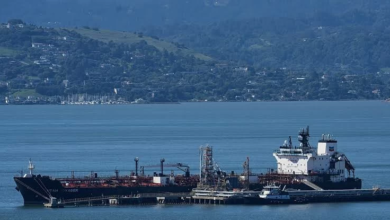
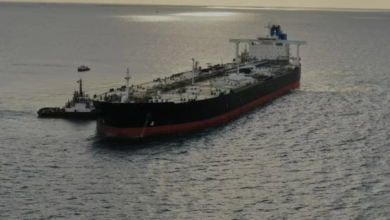
يُظهر هذا التحول السعري بوضوح كيف تستفيد طهران استراتيجياً من موقعها الجغرافي وسيطرتها على مضيق هرمز. يُعد هذا المضيق ممراً مائياً حيوياً وضيقاً يؤدي إلى الخليج العربي، ويمر عبره حوالي 20% من إجمالي استهلاك النفط العالمي. في ظل التوترات الأخيرة، أُغلق المضيق فعلياً أمام بعض الناقلات التي تحمل إمدادات من الدول المجاورة والمنافسة لإيران، مما خلق اختناقاً في الإمدادات العالمية. وتشير بيانات تتبع الملاحة البحرية إلى أن السفن والناقلات المرتبطة بإيران واصلت عبور هذا الممر الاستراتيجي بحرية، وقامت بتفريغ شحناتها من مرافق التخزين العائمة دون عوائق.
تأثير الحدث على الأسواق: محلياً وإقليمياً ودولياً
على المستوى الدولي، ومع اقتراب سعر خام برنت من حاجز 107 دولارات للبرميل وتقيّد الإمدادات العالمية بسبب التوترات الجيوسياسية، يبدي المشترون استعداداً استثنائياً لدفع مبالغ إضافية مقابل البراميل التي لا يزال بالإمكان نقلها وتأمينها، حتى وإن كانت قادمة من جهات كانت مدرجة سابقاً على القوائم السوداء. أما على المستوى الإقليمي، فقد تسبب توقف مرور شحنات المنتجين الخليجيين المنافسين في تعزيز القيمة النسبية لخام إيران الخفيف، مما يمنح طهران ميزة تنافسية مؤقتة. وعلى المستوى المحلي الإيراني، تُحقق هذه الأسعار المرتفعة مكاسب مالية ضخمة للكيانات التجارية المرتبطة سياسياً بالحكومة، والتي تهيمن بشكل شبه كامل على تجارة النفط الخاضع للعقوبات، مما يوفر دعماً حيوياً للاقتصاد الإيراني المحاصر.
خلاصة المشهد
إن التداخل المعقد بين القرارات السياسية الأمريكية بتخفيف العقوبات، والسيطرة الجيوسياسية على الممرات المائية، وحالة العطش في الأسواق العالمية للطاقة، قد خلق بيئة مثالية لعودة النفط الإيراني بقوة إلى الواجهة. ويبقى التساؤل قائماً حول مدى استدامة هذه العلاوة السعرية في ظل التقلبات المستمرة في السياسات الدولية وأمن الملاحة البحرية.