
مقدمة عن أداء سوق الأسهم السعودية اليوم
شهد مؤشر الأسهم السعودية اليوم تداولات اتسمت بالتراجع الطفيف في كل من السوق الرئيسية والسوق الموازية، مما يعكس حالة من الترقب وإعادة التمركز من قبل المستثمرين. وتعتبر هذه التحركات جزءاً من الديناميكية الطبيعية للأسواق المالية التي تتأثر بعوامل العرض والطلب والسيولة المتاحة.
تفاصيل تداولات السوق الموازية (نمو) والسوق الرئيسية (تاسي)
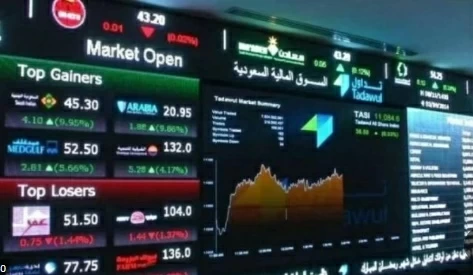
أغلق مؤشر الأسهم السعودية الموازية (نمو) تداولاته اليوم على انخفاض بمقدار 109.72 نقطة، ليستقر عند مستوى 22,723.91 نقطة. وقد بلغت قيمة التداولات في السوق الموازية نحو 16 مليون ريال سعودي، في حين تجاوزت كمية الأسهم المتداولة حاجز المليوني سهم. وفي سياق متصل، تراجع مؤشر الأسهم السعودية الرئيسية (تاسي) بمقدار 11.84 نقطة، ليغلق عند مستوى 10,956.10 نقطة. وشهدت السوق الرئيسية سيولة عالية حيث بلغت قيمة التداولات الإجمالية 4.6 مليار ريال سعودي.
ووفقاً للنشرة الاقتصادية اليومية الصادرة عن وكالة الأنباء السعودية لسوق الأسهم، بلغت كمية الأسهم المتداولة في السوق الرئيسية 214 مليون سهم. وقد أظهرت إحصائيات السوق تبايناً في أداء الشركات، حيث سجلت أسهم 63 شركة ارتفاعاً في قيمتها، بينما تراجعت أسهم 195 شركة أخرى.
الأسهم الأكثر ارتفاعاً وانخفاضاً ونشاطاً
تصدرت أسهم شركات (تبوك الزراعية، الكيميائية، أنابيب الشرق، جرير، وعلم) قائمة الشركات الأكثر ارتفاعاً. في المقابل، جاءت أسهم شركات (سينومي ريتيل، توبي، ثمار، تسهيل، وريدان) كأكثر الأسهم انخفاضاً في تعاملات اليوم، حيث تراوحت نسب الارتفاع والانخفاض ما بين 5.69% و 7.71%.
أما على صعيد النشاط، فقد استحوذت أسهم شركات (أرامكو السعودية، أمريكانا، الكيميائية، بترو رابغ، وكيان السعودية) على النصيب الأكبر من حيث كمية التداول. ومن حيث القيمة، كانت السيولة تتركز بشكل رئيسي في أسهم (أرامكو السعودية، علم، الراجحي، أكوا باور، والبنك الأهلي).
السياق العام والخلفية التاريخية للسوق المالي السعودي
يُعد سوق الأسهم السعودية (تداول) الأكبر والأكثر سيولة في منطقة الشرق الأوسط وشمال أفريقيا. وقد تم إطلاق السوق الموازية (نمو) في عام 2017 كمنصة تداول بمتطلبات إدراج أكثر مرونة، بهدف تشجيع الشركات الصغيرة والمتوسطة على الإدراج والحصول على التمويل اللازم لتوسيع أعمالها. وتأتي هذه الخطوات ضمن مظلة برنامج تطوير القطاع المالي، أحد البرامج التنفيذية الرئيسية لرؤية السعودية 2030، والذي يهدف إلى بناء سوق مالية متقدمة وجاذبة للاستثمارات.
أهمية الحدث وتأثيره المتوقع (محلياً وإقليمياً ودولياً)
على الصعيد المحلي: يعكس أداء مؤشر الأسهم السعودية حالة الاقتصاد الوطني ومستويات السيولة المحلية. تراجع السوق الطفيف اليوم يمثل عمليات جني أرباح طبيعية ولا يؤثر على النظرة الإيجابية طويلة المدى للشركات المدرجة، خاصة القيادية منها في قطاعات البنوك والطاقة.
على الصعيد الإقليمي: بحكم حجمه الضخم، يقود السوق السعودي اتجاهات الأسواق الخليجية والعربية. أي تحركات في (تاسي) غالباً ما تنعكس على معنويات المستثمرين في الأسواق المجاورة، مما يؤكد دور المملكة كقاطرة اقتصادية للمنطقة.
على الصعيد الدولي: بعد انضمام السوق السعودي إلى مؤشرات الأسواق الناشئة العالمية مثل (MSCI) و(FTSE Russell)، أصبح أداء السوق محط أنظار الصناديق الاستثمارية الأجنبية. كما أن التداولات النشطة على سهم (أرامكو السعودية) تربط أداء السوق بشكل مباشر بأسواق الطاقة العالمية، مما يجعل التحركات اليومية للمؤشر مؤشراً هاماً للمستثمرين الدوليين لتقييم تدفقات رؤوس الأموال.