
Iran embarks on intensive diplomatic tour amid tensions with Washington
In a significant diplomatic move, Iranian Deputy Foreign Minister Abbas Araqchi arrived in St. Petersburg, Russia, on Monday for crucial talks with Russian President Vladimir Putin. This visit comes at a critical juncture, as Tehran intensifies its diplomatic efforts on the international stage, seeking to garner support in the face of mounting US pressure and following the breakdown of direct and indirect negotiations with Washington.
Background to the tension: the nuclear agreement and US sanctions
The roots of the current crisis lie in former US President Donald Trump’s 2018 decision to unilaterally withdraw from the Joint Comprehensive Plan of Action (JCPOA), the nuclear agreement signed in 2015 between Iran and the P5+1 group of nations. Following the withdrawal, Washington reimposed harsh economic sanctions on Tehran with the aim of exerting “maximum pressure” to force it to renegotiate a new agreement on US terms. This situation prompted Iran to reduce some of its commitments under the agreement, further complicating the situation and leading to a stalemate in the diplomatic process, as Tehran refuses any new negotiations before the sanctions are lifted, a demand rejected by Washington.
The importance of the meeting with Putin and its potential impact
Araghchi's visit to Russia is of paramount strategic importance. Moscow, as a traditional ally of Tehran, a permanent member of the Security Council, and a signatory to the nuclear agreement, represents a political and diplomatic force that cannot be ignored. Through this meeting, Iran seeks to coordinate positions with the Kremlin to counter American pressure, explore ways to circumvent economic sanctions, and ensure continued Russian support for preserving what remains of the nuclear agreement. Regionally, this rapprochement strengthens the Iranian-Russian axis, which shares common interests on numerous issues, most notably the Syrian crisis, and sends a clear message to Washington that Tehran is not isolated and has powerful allies capable of influencing the international balance of power.
Regional tours and mediation efforts
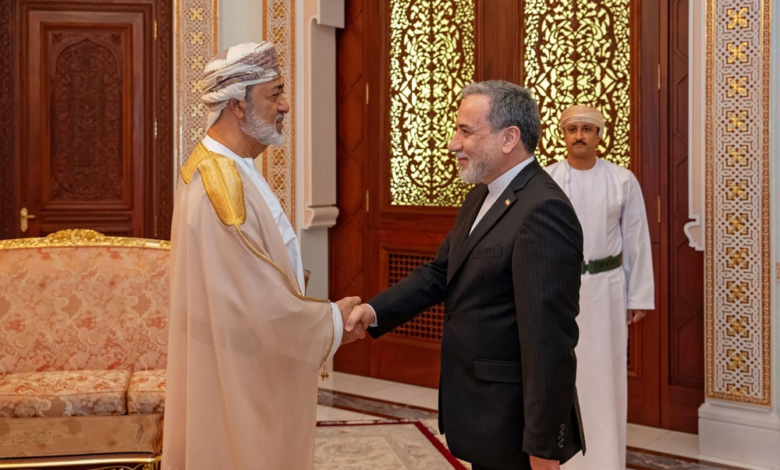
The visit to Russia was not the only stop on Araqchi's tour; it was preceded by visits to other countries such as Pakistan and Oman, which play potential mediating roles between Tehran and Washington. Reports indicate that Iran conveyed written messages to the Americans via Pakistan, outlining Iran's "red lines" in any potential confrontation, including nuclear issues and security in the strategic Strait of Hormuz. While these messages do not constitute formal negotiations, they suggest the continued existence of indirect channels of communication to prevent tensions from escalating into a full-blown military conflict.