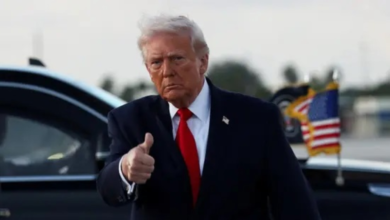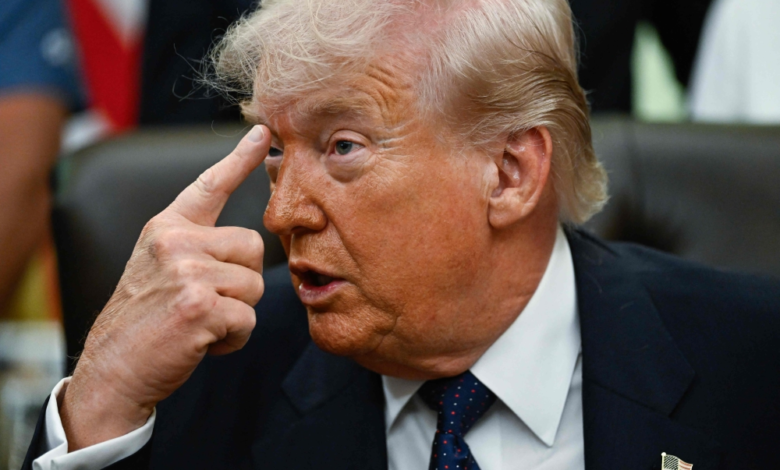

Former US President Donald Trump renewed his threats against Iran, vowing to launch military strikes “much more powerful” than ever before if diplomatic efforts fail to reach an agreement to end the ongoing tensions between Tehran and Washington and its regional allies. This escalation came in a post on his social media platform, Truth Social, where he wrote: “If they don’t agree, the bombing will begin, and unfortunately, it will be at a much higher and more intense level than ever before.”.
tense historical context
Trump’s remarks come against the backdrop of a historically strained relationship between the United States and Iran, which has deteriorated significantly during his presidency. In 2018, Trump made the controversial decision to withdraw from the Iran nuclear deal (the Joint Comprehensive Plan of Action – JCPOA), signed in 2015, which aimed to curb Iran’s nuclear program in exchange for the easing of economic sanctions. Following the withdrawal, his administration reimposed crippling sanctions under a policy dubbed “maximum pressure,” intended to force Tehran to negotiate a new agreement on U.S. terms.
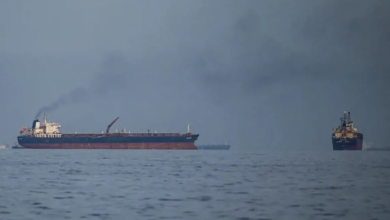
This policy has led to a dangerous escalation in the region, including attacks on oil tankers in the Gulf, the downing of an American drone, and culminating in January 2020 with the assassination of prominent Iranian General Qassem Soleimani in an American airstrike in Baghdad. Iran then retaliated by bombing military bases hosting American forces in Iraq.
Importance and potential impacts
These threats are particularly significant given the current regional and international context. Regionally, any potential military escalation between Washington and Tehran raises fears of a wider war in the Middle East, which could draw in other actors such as Israel and the Gulf states, threatening the stability of the entire region. Furthermore, any conflict in this vital area would directly impact the security of navigation in the Strait of Hormuz, through which a significant portion of the world's oil supply passes, potentially leading to a dramatic increase in global energy prices.
Internationally, these remarks are seen as an indication of the foreign policy Trump might pursue if he returns to the White House—a policy that could rely on direct confrontation rather than traditional diplomacy. Both US allies and adversaries are watching this rhetoric closely, as it could reshape alliances and impact international efforts to prevent nuclear proliferation and establish peace in one of the world's most volatile regions.