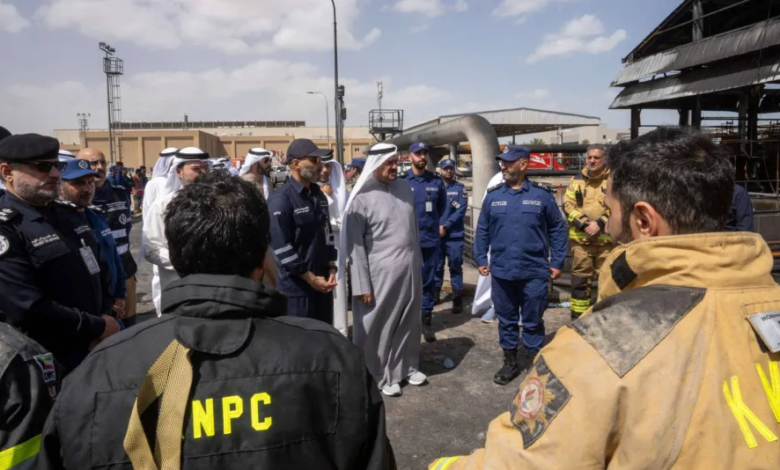

تفاصيل استهداف ميناءي مبارك الكبير والشويخ
شهدت دولة الكويت تطوراً أمنياً واقتصادياً لافتاً إثر الإعلان عن وقوع أضرار مادية نتيجة استهداف ميناءَي «مبارك الكبير» و«الشويخ»، وهما من أهم الشرايين الحيوية للتجارة والاقتصاد في البلاد. هذا الحدث يثير تساؤلات عديدة حول أمن الملاحة البحرية في منطقة الخليج العربي، وتأثيراته المحتملة على حركة التجارة الإقليمية والدولية. وفي هذا السياق، تبرز أهمية تسليط الضوء على المكانة الاستراتيجية لهذين الميناءين والتداعيات المتوقعة لهذا الاستهداف على سلاسل الإمداد.
الأهمية الاستراتيجية لميناء الشويخ
يُعد ميناء الشويخ الميناء التجاري الرئيسي والأقدم في دولة الكويت، حيث يقع في العاصمة ويستحوذ على الجزء الأكبر من حركة الاستيراد والتصدير في البلاد. يضم الميناء محطات متعددة لمناولة الحاويات والبضائع العامة، ويعتبر العصب الرئيسي لتأمين احتياجات السوق المحلي من السلع الأساسية والمواد الغذائية والصناعية. لذلك، فإن أي تعطيل أو إضرار بمرافق هذا الميناء ينعكس بشكل مباشر وفوري على سلاسل الإمداد المحلية، وقد يؤدي إلى ارتباك مؤقت في حركة التجارة الداخلية وتأخير في تسليم البضائع.
ميناء مبارك الكبير: ركيزة رؤية كويت 2035
على الجانب الآخر، يمثل ميناء مبارك الكبير، الواقع في جزيرة بوبيان شمالي الكويت، أحد أضخم المشاريع الاستراتيجية ضمن رؤية «كويت جديدة 2035». يهدف هذا المشروع العملاق إلى تحويل الكويت إلى مركز مالي وتجاري إقليمي وعالمي، وربط خطوط الملاحة البحرية بشبكات النقل البري والسكك الحديدية نحو الشمال. استهداف هذا الميناء يحمل رسائل مقلقة للمستثمرين ويؤثر على الخطط التنموية الطموحة التي تسعى الدولة لتحقيقها لتنويع مصادر الدخل بعيداً عن الاعتماد الكلي على النفط.
التداعيات الاقتصادية والأمنية إقليمياً ودولياً
من الناحية الإقليمية والدولية، تكتسب منطقة الخليج العربي أهمية جيوسياسية واقتصادية بالغة، إذ تُعد ممراً رئيسياً لإمدادات الطاقة والتجارة العالمية. إن استهداف البنية التحتية للموانئ في دولة مستقرة مثل الكويت يضيف طبقة جديدة من التحديات الأمنية في المنطقة. هذا النوع من الحوادث قد يدفع شركات التأمين البحري إلى إعادة تقييم المخاطر، مما قد يؤدي إلى ارتفاع تكاليف الشحن والتأمين على السفن التجارية التي تعبر مياه الخليج، وهو ما ينعكس في النهاية على أسعار السلع عالمياً.
السياق التاريخي وأمن الملاحة في الخليج
تاريخياً، واجهت منطقة الخليج العربي وشماله تحديات أمنية متعددة، بدءاً من حرب الناقلات في الثمانينيات وصولاً إلى التوترات الجيوسياسية المعاصرة التي تشهدها الممرات المائية الحيوية. وقد دأبت دولة الكويت دائماً على انتهاج سياسة خارجية متزنة تدعو إلى التهدئة وحل النزاعات بالطرق السلمية، مع التأكيد على أهمية احترام القوانين الدولية التي تكفل حرية الملاحة وسلامة الممرات المائية. وتتعاون الكويت باستمرار مع شركائها الإقليميين والدوليين لتعزيز الأمن البحري وحماية خطوط التجارة التي تعتبر شريان حياة للاقتصاد العالمي.
خلاصة وتطلعات مستقبلية
في الختام، يتطلب استهداف ميناءي مبارك الكبير والشويخ وقفة جادة لتقييم منظومة الأمن البحري وحماية البنى التحتية الحيوية. إن تضافر الجهود المحلية والدولية لضمان سلامة هذه الموانئ ليس مجرد ضرورة اقتصادية كويتية، بل هو مطلب إقليمي وعالمي لضمان استقرار تدفق البضائع والطاقة، والحفاظ على السلم والأمن في واحدة من أهم المناطق الاستراتيجية في العالم.