
تصريحات حاسمة في خضم التوترات
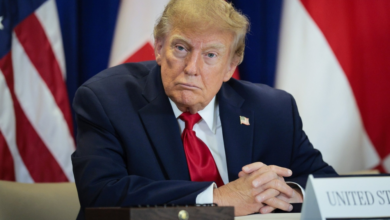
أكد الرئيس الأمريكي السابق، دونالد ترامب، في تصريح لافت، أن الولايات المتحدة ليست بحاجة إلى مساعدة من الصين لإنهاء أي صراع محتمل مع إيران. جاء هذا الموقف في وقت كانت تتصاعد فيه التوترات بشكل خطير في منطقة الخليج العربي. ورغم تأكيده على استقلالية القرار الأمريكي، أشار ترامب إلى أنه سيجري محادثات مطولة مع نظيره الصيني، شي جين بينغ، خلال قمة مجموعة العشرين التي كانت مقررة في ذلك الأسبوع، لمناقشة مجموعة واسعة من القضايا الثنائية والدولية.
وقال ترامب للصحفيين قبيل توجهه إلى القمة: “سنجري محادثات مطولة في هذا الموضوع”، مضيفاً: “هناك أمور كثيرة سنناقشها، ولا أقول إن إيران أحدها، لأننا نسيطر على إيران بشكل كبير. إما أن نعقد صفقة، أو سنسحقهم”.
خلفية الصراع وسياق التصريحات
أتت تصريحات ترامب في سياق سياسة “الضغط الأقصى” التي انتهجتها إدارته ضد طهران. بدأت هذه السياسة بالانسحاب الأمريكي أحادي الجانب من الاتفاق النووي الإيراني (خطة العمل الشاملة المشتركة) في عام 2018، وإعادة فرض عقوبات اقتصادية قاسية بهدف شل الاقتصاد الإيراني وإجبار النظام على العودة إلى طاولة المفاوضات بشروط أمريكية جديدة تشمل برنامجه الصاروخي وسياساته الإقليمية. وقد أدت هذه السياسة إلى تصعيد كبير، شمل هجمات على ناقلات نفط في مياه الخليج، وإسقاط إيران لطائرة استطلاع أمريكية مسيرة، مما دفع بالمنطقة إلى حافة مواجهة عسكرية مباشرة.
الدور الصيني والمصالح الاقتصادية
تُعتبر الصين شريكاً اقتصادياً واستراتيجياً مهماً لإيران، وأحد أكبر مشتري النفط الإيراني في العالم. وعلى الرغم من العقوبات الأمريكية، استمرت بكين في شراء كميات من النفط الإيراني، مما وفر شريان حياة حيوياً لطهران. وفي هذا الإطار، يُفهم تصريح ترامب بأنه رسالة مزدوجة: الأولى موجهة إلى إيران بأن القوة الأمريكية كافية للتعامل معها دون الحاجة لوسطاء، والثانية موجهة إلى الصين بأن استمرارها في دعم إيران اقتصادياً لن يمنع واشنطن من تحقيق أهدافها. وأشار ترامب إلى أن الصينيين “يحصلون على جزء كبير من نفطهم من تلك المنطقة”، مؤكداً أن الولايات المتحدة ليست في نفس الموقف.
الأهمية الاستراتيجية والتأثير الدولي
يعكس هذا الموقف الأمريكي الرغبة في تأكيد الهيمنة الأمريكية في منطقة الشرق الأوسط، وتقليل النفوذ المتزايد للقوى العالمية الأخرى مثل الصين. كما يسلط الضوء على التباين في المقاربات الدولية للأزمة؛ فبينما كانت الولايات المتحدة تميل إلى الحلول القائمة على الضغط العسكري والاقتصادي، كانت الصين، إلى جانب القوى الأوروبية، تدعو إلى الحوار والدبلوماسية والحفاظ على الاتفاق النووي. إن أي صراع في مضيق هرمز، الممر المائي الحيوي الذي يمر عبره خُمس إمدادات النفط العالمية، لن يؤثر على المنطقة فحسب، بل سيمتد تأثيره ليزعزع استقرار أسواق الطاقة العالمية ويضر بالاقتصاد العالمي ككل.