
مقدمة عن جاهزية المواقيت للحجاج
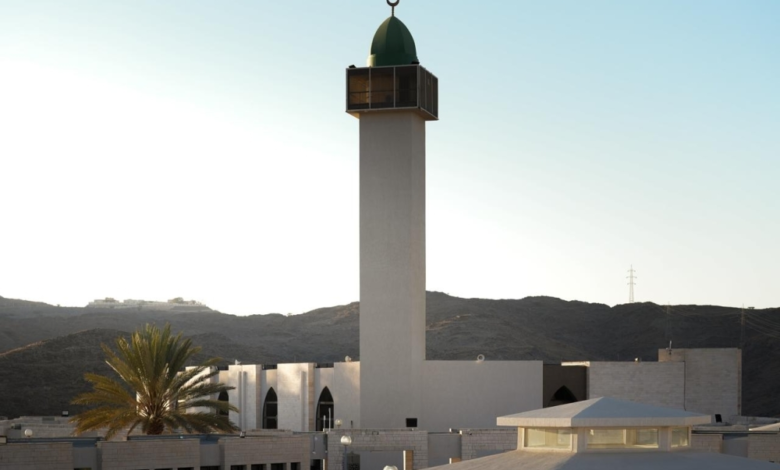
في إطار سعي المملكة العربية السعودية المستمر لتقديم أفضل الخدمات لضيوف الرحمن، كثفت الهيئة الملكية لمدينة مكة المكرمة والمشاعر المقدسة جهودها لتطوير وتشغيل المواقيت ومساجد الحل. وتُعد هذه المواقع نقطة الانطلاق الأولى في رحلة الحاج والمعتمر، مما استدعى إطلاق منظومة تشغيلية متكاملة تهدف إلى رفع الجاهزية، تعزيز جودة الخدمات، وتحقيق أعلى مستويات الكفاءة الميدانية لضمان تجربة آمنة ومنظمة منذ لحظة الإحرام.
السياق العام والأهمية التاريخية للمواقيت
تاريخياً، تكتسب المواقيت المكانية أهمية دينية وروحانية كبرى في الشريعة الإسلامية، حيث حددها النبي محمد -صلى الله عليه وسلم- لتكون الحدود التي لا يجوز للحاج أو المعتمر تجاوزها نحو مكة المكرمة إلا وهو محرم. ومنذ تأسيس المملكة العربية السعودية، توالى الاهتمام بتوسعة وتطوير هذه المواقيت ومساجد الحل (مثل مسجد التنعيم والجعرانة) لتستوعب الأعداد المتزايدة من المسلمين عاماً بعد عام. واليوم، يمثل هذا التطوير الشامل امتداداً طبيعياً للرعاية التاريخية التي توليها القيادة السعودية للحرمين الشريفين وقاصديهما، لضمان أداء المناسك بكل يسر وسهولة.
تفاصيل الخطة التشغيلية والأرقام القياسية
أعلنت الهيئة الملكية لمكة المكرمة عن تسجيل المواقع جاهزية تشغيلية مكتملة بنسبة 100%، وذلك بالتزامن مع اكتمال تأهيل وتوزيع الكوادر البشرية الميدانية. وتعكس المؤشرات التشغيلية اليومية كفاءة عالية، حيث:
- تستقبل المواقع أكثر من 38 ألف زائر يومياً في المتوسط.
- تجاوز عدد الزوار التراكمي نحو 188 ألف زائر خلال الفترة التشغيلية.
- يبلغ متوسط بقاء الحاج داخل الميقات قرابة ساعة و40 دقيقة، مما يدل على انسيابية الحركة وتوفر الخدمات وقدرة المواقع على استيعاب التدفقات الكبيرة.
توزيع الكثافة على المواقيت
تشهد المواقيت توزيعاً مرناً للكثافة التشغيلية يتيح توجيه الموارد بدقة، حيث يتصدر ميقات السيل الكبير الكثافة باستقبال نحو 12 ألف زائر يومياً، يليه ميقات يلملم بـ 10 آلاف زائر، ثم ميقات وادي محرم بأكثر من 7 آلاف زائر. أما مساجد الحل، فيستقبل مسجد التنعيم قرابة 3,500 زائر يومياً، بينما يسجل كل من ميقات الجحفة ومسجد الجعرانة ما بين 2,000 إلى 2,500 زائر يومياً.
تطوير البنية التحتية والخدمات الميدانية
تضمنت الاستعدادات تنفيذ حزمة من المشاريع النوعية لتطوير البنية التحتية، أبرزها:
- إعادة تأهيل منظومات المياه لرفع كفاءة الإمداد واستدامته.
- تشغيل أنظمة تسخين مركزية تخدم أكثر من 900 دورة مياه ومواضئ.
- تركيب أكثر من 230 كاميرا مراقبة لتعزيز السلامة والتغطية الأمنية الشاملة.
- تنفيذ أكشاك خدمية موسمية وتطوير اللوحات الإرشادية لتسهيل تنقل الزوار.
إدارة الحشود والتأثير المتوقع للحدث
تعتمد الهيئة على منظومة متكاملة لإدارة الحشود تشمل تخصيص مسارات للحافلات والمركبات، وتوفير مواقف تستوعب آلاف السيارات، بالإضافة إلى استخدام وسائل نقل مساندة كعربات الجولف لخدمة كبار السن. على الصعيد المحلي، تسهم هذه الجهود في إنعاش الحركة الاقتصادية وتوفير فرص العمل الميدانية للشباب السعودي. أما إقليمياً ودولياً، فتؤكد هذه الجاهزية ريادة المملكة العالمية في إدارة الحشود المليونية، مما يبعث رسالة طمأنينة للعالم الإسلامي أجمع بقدرة المملكة على تنظيم مواسم الحج بكفاءة واقتدار لا مثيل لهما.
التوافق مع مستهدفات رؤية المملكة 2030
تُظهر هذه الاستعدادات مستوى متقدماً من النضج التشغيلي الذي يتكامل مع التقنيات الحديثة لتقديم تجربة ميسرة لقاصدي الحرمين الشريفين. وتصب هذه الجهود الميدانية والإدارية مباشرة في صميم تحقيق مستهدفات رؤية المملكة 2030، والتي تهدف إلى الارتقاء بجودة الخدمات المقدمة لضيوف الرحمن، وإثراء تجربتهم الدينية والثقافية، وتوفير بيئة مهيأة لأداء الشعائر بكل يسر وطمأنينة.