
تطورات دبلوماسية: إعفاء السفن الماليزية
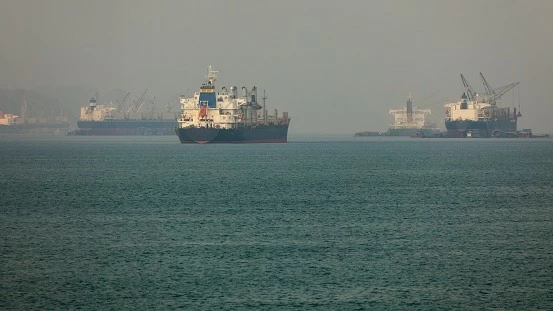
أعلنت الحكومة الماليزية رسمياً عن تطور إيجابي يعكس متانة علاقاتها الدبلوماسية مع طهران، حيث تم إعفاء السفن الماليزية التي كانت تنتظر عبور مضيق هرمز من دفع أي رسوم عبور لصالح إيران. وفي تفاصيل الحدث، صرح وزير الاتصالات والمتحدث باسم الحكومة الماليزية، فهمي فاضل، خلال مؤتمر صحفي دوري، بأن هناك عدة سفن ماليزية (تُقدر بنحو 7 سفن) حصلت على التصريح بالمرور الآمن والمجاني. وشدد الوزير على نفي الشائعات المتداولة عبر الإنترنت حول اضطرار كوالالمبور لدفع أموال، مؤكداً أن الوضع تحت السيطرة التامة وأن التصريحات الرسمية هي المصدر الوحيد الموثوق فيما يخص أسعار الوقود والإمدادات.
سياسة إيران الملاحية وسط التوترات
تأتي هذه الخطوة في ظل تصاعد التوترات الجيوسياسية في منطقة الشرق الأوسط. وكانت السلطات الإيرانية قد أقرت عبر برلمانها تشريعات جديدة تسمح بفرض رسوم مرور على السفن التجارية وناقلات النفط العابرة لمضيق هرمز. ومع ذلك، انتهجت طهران سياسة انتقائية تعتمد على تصنيف الدول؛ حيث يُسمح لسفن الدول الصديقة بالعبور المجاني والآمن بالتنسيق مع الجهات الإيرانية المختصة، بينما تُفرض قيود صارمة ورسوم على سفن الدول التي تعتبرها معادية أو مشاركة في الصراعات الحالية، مثل الولايات المتحدة الأمريكية وإسرائيل. وقد أكدت وزارة النقل الماليزية بالتنسيق مع السفير الإيراني في كوالالمبور هذا الإعفاء الكامل، مما يبرز أهمية التحالفات الدبلوماسية في أوقات الأزمات.
الأهمية الاستراتيجية لممر مضيق هرمز
تاريخياً وجغرافياً، يُعد مضيق هرمز أحد أهم الممرات المائية الاستراتيجية ونقاط الاختناق البحرية في العالم. يربط المضيق بين الخليج العربي وخليج عُمان وبحر العرب، ويمر عبره يومياً ما يتراوح بين 20% إلى 30% من إجمالي إمدادات النفط العالمية، بالإضافة إلى نسبة ضخمة من الغاز الطبيعي المسال. أي تعطيل أو تقييد لحركة الملاحة في هذا الممر الحيوي ينذر بأزمات طاقة عالمية، مما يجعل السياسات الإيرانية الأخيرة محط أنظار المجتمع الدولي بأسره، ويؤثر بشكل مباشر على استقرار سلاسل الإمداد العالمية وحركة التجارة الدولية.
التداعيات الاقتصادية على ماليزيا والأسواق
على الصعيد الاقتصادي والمحلي، يحمل هذا الإعفاء في مضيق هرمز أهمية قصوى لماليزيا. فعلى الرغم من كونها دولة منتجة للنفط، إلا أنها تعتمد بشكل كبير على استيراد أنواع معينة من الخام لتلبية احتياجاتها المحلية، حيث يمر نحو 50% من إمداداتها النفطية المستوردة عبر هذا المضيق. وقد ألقت التوترات الإقليمية بظلالها على أسعار النفط العالمية التي شهدت ارتفاعاً ملحوظاً. ولمواجهة هذا التحدي وحماية المواطنين من التضخم، اتخذت الحكومة الماليزية إجراءات استباقية بزيادة الدعم الحكومي المخصص للوقود بشكل هائل، ليرتفع من 700 مليون رينجت شهرياً إلى حوالي 3.2 مليار رينجت. تهدف هذه الخطوة إلى الحفاظ على استقرار أسعار المحروقات المحلية حتى شهر مايو على الأقل، مما يعكس التداعيات المباشرة للأحداث الدولية على الاقتصادات الوطنية.