
جماعة الحوثي تعلن شن هجومها الثالث على إسرائيل خلال خمسة أيام
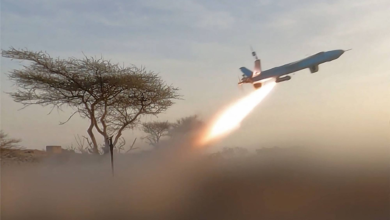
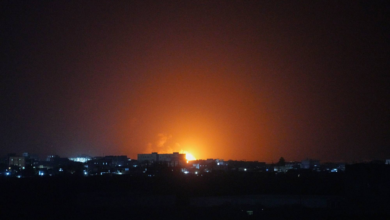
في تطور لافت يعكس استمرار التصعيد الإقليمي المرتبط بالحرب الدائرة في قطاع غزة، أعلنت جماعة الحوثي في اليمن تبنيها لثالث هجماتها العسكرية الموجهة ضد إسرائيل خلال فترة زمنية لا تتجاوز خمسة أيام. يأتي هذا الإعلان ليؤكد إصرار الجماعة على مواصلة عملياتها العسكرية التي تستهدف مواقع إسرائيلية، وتحديداً في منطقة إيلات (أم الرشراش) جنوبي إسرائيل، باستخدام الطائرات المسيرة والصواريخ الباليستية والمجنحة.
السياق العام والخلفية التاريخية للحدث
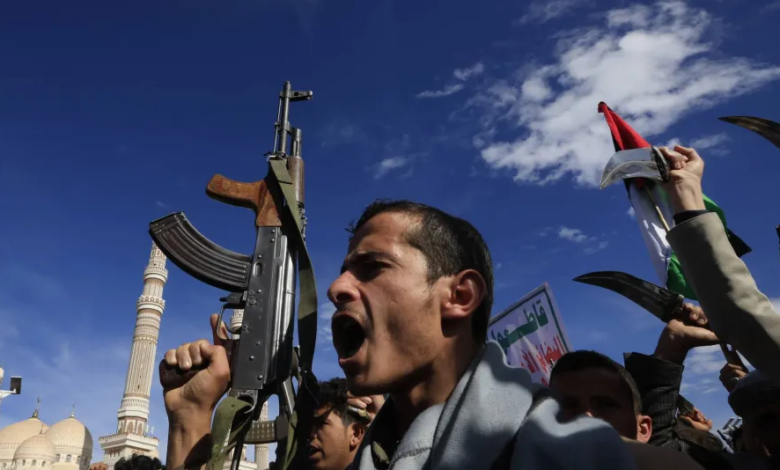
لفهم أبعاد هذا التطور، يجب النظر إلى السياق العام الذي انطلقت منه هذه الهجمات. منذ اندلاع الحرب الإسرائيلية على قطاع غزة في السابع من أكتوبر 2023، أعلنت جماعة الحوثي، التي تسيطر على العاصمة اليمنية صنعاء ومناطق واسعة من شمال اليمن منذ عام 2014، انخراطها في الصراع كجبهة إسناد للفلسطينيين. وتعتبر الجماعة نفسها جزءاً أساسياً مما يُعرف بـ “محور المقاومة” الذي تدعمه إيران في منطقة الشرق الأوسط، والذي يضم أيضاً فصائل مسلحة في العراق وسوريا وحزب الله في لبنان.
لم تقتصر هجمات الحوثيين على إطلاق الصواريخ والمسيرات باتجاه الأراضي الإسرائيلية فحسب، بل امتدت لتشمل تهديداً مباشراً لحركة الملاحة البحرية في البحر الأحمر ومضيق باب المندب. فقد أعلنت الجماعة استهداف السفن التجارية المرتبطة بإسرائيل أو المتجهة إلى موانئها، واشترطت لوقف هذه العمليات إنهاء الحرب ورفع الحصار عن قطاع غزة.
أهمية الحدث وتأثيره المتوقع على مختلف الأصعدة
يحمل توالي هجمات الحوثيين على إسرائيل، وخاصة تنفيذ ثلاثة هجمات في غضون خمسة أيام فقط، دلالات وتأثيرات عميقة تتجاوز النطاق المحلي لتشمل الإقليم والعالم:
التأثير الإقليمي والمحلي
على الصعيد الإقليمي، يزيد هذا التصعيد من مخاوف اتساع رقعة الصراع وتحوله إلى حرب إقليمية شاملة. كما أنه يضع ضغوطاً إضافية على منظومات الدفاع الجوي الإسرائيلية، مثل منظومة “حيتس” (السهم) والقبة الحديدية، التي تضطر للتعامل مع تهديدات قادمة من جبهات متعددة في آن واحد. محلياً في اليمن، تستغل جماعة الحوثي هذه الهجمات لتعزيز شعبيتها وتعبئة الشارع اليمني المتعاطف تاريخياً مع القضية الفلسطينية، مما يعزز من موقفها الداخلي رغم الأزمات الاقتصادية والإنسانية الخانقة التي تعيشها البلاد.
التأثير الدولي والاقتصادي
دولياً، أثارت هذه الهجمات، وما رافقها من تهديد للملاحة في البحر الأحمر، قلقاً عالمياً بالغاً. يمر عبر البحر الأحمر حوالي 12% من حجم التجارة العالمية، وقد أدى استهداف السفن إلى قيام كبرى شركات الشحن البحري بتغيير مسار سفنها لتدور حول رأس الرجاء الصالح في إفريقيا. هذا التغيير أدى إلى زيادة كبيرة في تكاليف الشحن ومدة الرحلات، مما ينذر بتداعيات سلبية على سلاسل الإمداد العالمية والاقتصاد الدولي.
ورداً على هذا التهديد، شكلت الولايات المتحدة الأمريكية تحالفاً بحرياً دولياً تحت اسم “حارس الازدهار” لحماية الملاحة في البحر الأحمر. كما شنت القوات الأمريكية والبريطانية سلسلة من الضربات الجوية التي استهدفت مواقع عسكرية تابعة للحوثيين في اليمن، في محاولة للحد من قدراتهم العسكرية وتقليل وتيرة هجماتهم.
خلاصة المشهد
في الختام، يمثل إعلان الحوثيين عن ثالث هجماتهم على إسرائيل خلال خمسة أيام مؤشراً واضحاً على أن الجبهة اليمنية ستبقى واحدة من أكثر الجبهات سخونة وتأثيراً في مسار الصراع الحالي. ومع استمرار تعثر الجهود الدبلوماسية للتوصل إلى وقف لإطلاق النار في غزة، يبقى الباب مفتوحاً أمام المزيد من التصعيد المتبادل، مما يبقي منطقة الشرق الأوسط بأكملها في حالة من التوتر والترقب المستمر.