
A qualitative step to enhance the comfort of the pilgrims
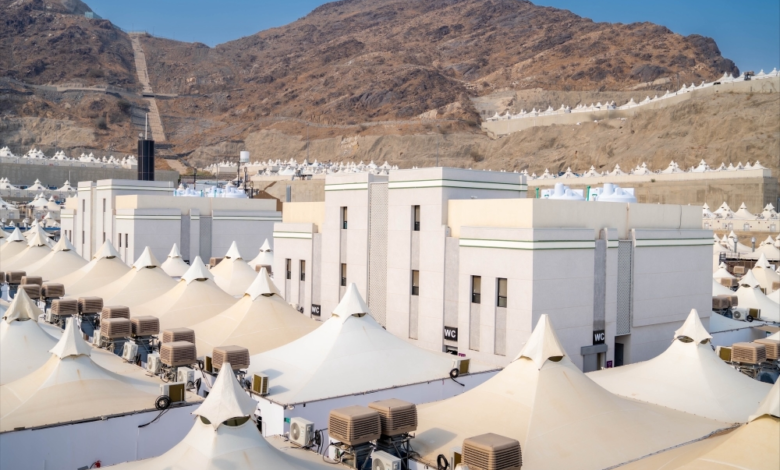
The Royal Commission for Makkah City and the Holy Sites’ executive arm, Kadana Development and Investment Company, announced the completion of the second phase of its project to develop restrooms in Mina. This project is part of a comprehensive strategic plan to improve infrastructure and enhance the efficiency of services provided to millions of pilgrims in preparation for the 1446 AH Hajj season and beyond. This phase has increased the total number of developed complexes to 79, encompassing approximately 7,838 restrooms. This will contribute to reducing the average waiting time by up to 75%, a significant achievement that reflects the commitment to providing the utmost comfort for the pilgrims.
Historical context and importance of Mina
Mina holds immense religious significance in the Hajj pilgrimage, as pilgrims spend most of the rituals there, from the Day of Tarwiyah to the three days of Tashreeq. Throughout history, managing crowds and providing essential services in this limited space has presented a major logistical challenge. The Saudi Arabian government has dedicated considerable attention to developing the holy sites through ongoing mega-projects, such as the Jamarat Bridge, the expansion of the Grand Mosque, and the Al-Mashaaer Metro network. The project to develop the restrooms is part of these continuous efforts, aimed at accommodating the increasing number of pilgrims and facilitating their performance of the rituals with ease and tranquility.
Project details and its direct impact
The completed phase included replacing 18 old, single-story complexes in the Al-Shuaibin area with modern, two-story complexes, doubling the capacity within the same floor space. This innovative engineering solution preserves the available space for pilgrims. With these complexes added to the 61 previously developed complexes, the total number reaches 79 modernized complexes. This increase, representing a fourfold increase in capacity, directly addresses one of the most significant challenges pilgrims faced: long queues, especially during peak times, thus ensuring a smoother and more dignified experience.
Strategic importance within Vision 2030
This project is closely linked to the goals of Saudi Vision 2030 and its flagship program, the "Serving the Guests of God" program. The program aims to enrich the religious and cultural experience of pilgrims and Umrah performers, providing exceptional services befitting the sanctity of the holy sites and the status of the visitors. Developing essential infrastructure, such as healthcare facilities, is a cornerstone of achieving these goals, reflecting the Kingdom's commitment to harnessing all its resources to serve Muslims from around the world. This achievement also enhances the Kingdom's international reputation as a leading model in efficiently and effectively managing the world's largest human gatherings.
In conclusion, this project represents more than just an increase in the number of facilities; it's a qualitative leap in the concept of service provided to pilgrims, combining operational efficiency, sustainability, and respect for the pilgrim's humanity. These ongoing efforts affirm that the journey of developing the Holy Sites continues, aiming to provide a comfortable and safe spiritual environment for future generations.