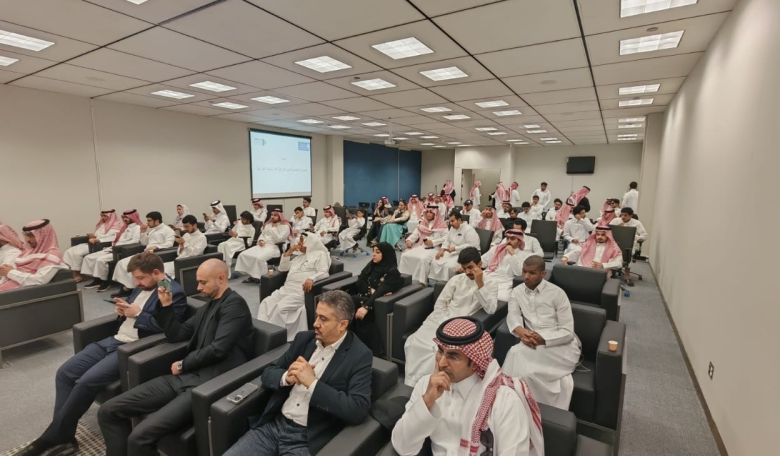

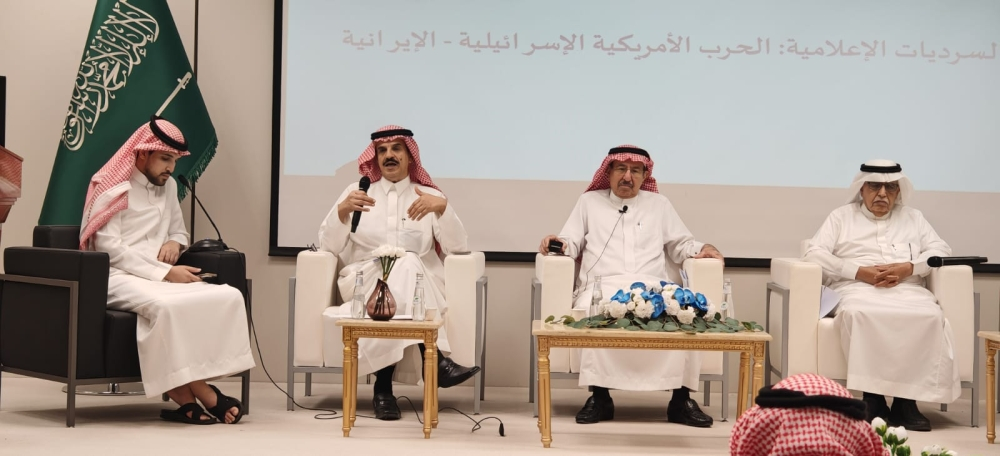
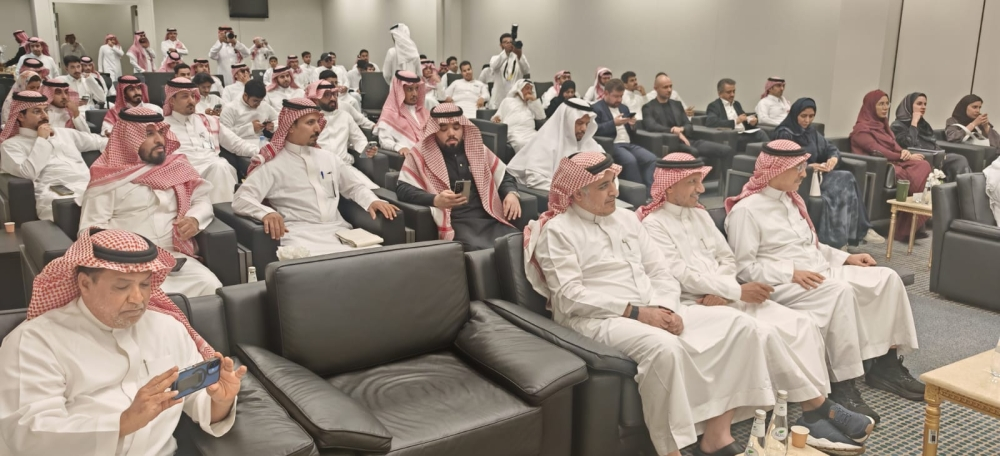
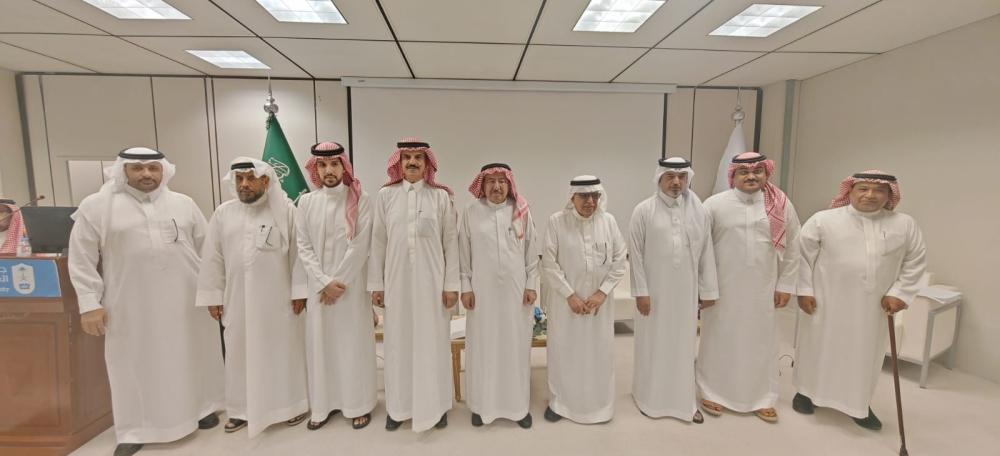
أكد نخبة من الخبراء والأكاديميين والإعلاميين السعوديين، خلال ندوة علمية متخصصة أقيمت في جامعة الملك سعود، أن وسائل الإعلام الحديثة قد تحولت من مجرد ناقل محايد للأحداث الميدانية إلى فاعل استراتيجي ورئيسي في تشكيل موازين القوى وإدارة الصراعات الجيوسياسية. جاء ذلك خلال ندوة نظمها كرسي الدكتور إبراهيم المهنا لإعلام الطاقة والإعلام المتخصص، وأدارها الإعلامي عبد الله بن شديد، تحت عنوان «السرديات الإعلامية… الحرب الأمريكية الإسرائيلية – الإيرانية».
السياق التاريخي والتحول الاستراتيجي للإعلام
تاريخياً، لطالما كانت منطقة الشرق الأوسط مسرحاً لصراعات النفوذ، حيث لعبت الدعاية والإعلام دوراً محورياً منذ حقبة الحرب الباردة وحتى اليوم. وفي العصر الرقمي الحالي، ومع تصاعد التوترات في المنطقة، أصبح “سلاح السردية” يوازي في أهميته السلاح العسكري. فالسيطرة على تدفق المعلومات وتوجيه الرأي العام الدولي والمحلي باتا يحددان المنتصر في المعارك الحديثة قبل حتى أن تنجلي غبار المعارك الميدانية، وهو ما ينطبق بشكل صارخ على الصراع الخفي والمعلن بين الولايات المتحدة وإسرائيل من جهة، وإيران من جهة أخرى.
التأثير الاقتصادي وارتباط الإعلام بأسواق الطاقة
على الصعيد الاقتصادي، أوضح مستشار وزير الطاقة الدكتور إبراهيم المهنا وجود ترابط وثيق وقوي بين التغطيات الإعلامية وأسعار البترول. وبيّن أن هذا الترابط تزداد أهميته وخطورته خلال الأزمات السياسية والعسكرية، حيث تعتبر منطقة الشرق الأوسط، وتحديداً الممرات المائية مثل مضيق هرمز، شرياناً حيوياً لإمدادات الطاقة العالمية. وأضاف أن الإعلام بمختلف وسائله أصبح بمثابة الضابط لبوصلة السوق والأسعار، لافتاً إلى التذبذب السريع الذي شهدته أسواق الطاقة مع بداية الهجمات والتوترات العسكرية الأخيرة.
وأشار المهنا إلى أن ضبابية المعلومات وتضاربها أديا إلى تشتت التغطية الإعلامية وضعف التحليل البترولي الرصين، محذراً من أن استمرار تداعيات هذا الصراع سيترك أثراً بالغاً على أسواق البترول لسنوات قادمة. كما لفت الانتباه إلى بروز قنوات إعلامية غير عربية نجحت في جذب أعداد كبيرة من المتابعين، في وقت لم يرقَ فيه أغلب الإعلام العربي، بمستوييه الصحفي والتلفزيوني، إلى مستوى الحدث وحجم تأثيره الإقليمي.
تباين التغطيات الغربية وتأثير حرب غزة
من جانبه، أكد وكيل وزارة الإعلام سابقاً الدكتور عبد العزيز بن سلمه أن المواجهات الأمريكية الإسرائيلية مع إيران تُعد غير مسبوقة في سياقها الحالي، خاصة وأنها خيضت في كثير من الأحيان دون تشاور مسبق مع حلفاء واشنطن التقليديين في حلف شمال الأطلسي (الناتو)، وهو ما يخالف الأعراف الاستراتيجية المعتادة للتحالفات الغربية.
وكشف بن سلمه عن تركز التغطية الأوروبية على ثوابت الأمن والاقتصاد، مشيراً إلى تنامي شعور الأوروبيين بالخذلان واهتزاز الثقة تجاه الولايات المتحدة، وهو مسار بدأ يتشكل بوضوح منذ ولاية الرئيس السابق دونالد ترمب. وتطرق أيضاً إلى التداعيات العميقة لحرب غزة على السردية الإسرائيلية في الغرب، حيث بدأت هذه السردية تفقد بريقها المعتاد. واستثنى من ذلك الموقف الإسباني المتقدم، الذي رفض تقديم تسهيلات للقوات الأمريكية، ووصف إسرائيل صراحة بأنها مسؤولة عن إشعال فتيل الحرب وتوسيع رقعة الصراع.
حرب السرديات: الاستراتيجية الإسرائيلية مقابل الإيرانية
بدوره، لاحظ رئيس قسم الإعلام بجامعة الملك سعود الدكتور إبراهيم البعيز أن الإعلام الأمريكي اعتمد في البداية بشكل شبه كلي على الرواية الرسمية الحكومية، قبل أن تظهر بوادر الانعتاق منها مع ارتفاع أصوات المعارضة الداخلية للحرب. وقارن البعيز بين التناول الأمريكي الذي ينطلق من منظور محلي يبحث عن الانعكاسات الداخلية والانتخابية، وبين الإعلام البريطاني الذي يميل للتركيز على البعد الدولي والمعاناة الإنسانية للمستهدفين على أرض الواقع.
وشدد أستاذ الإعلام السياسي في جامعة الملك سعود البروفيسور مطلق المطيري على أن السردية الإسرائيلية الموجهة للغرب تعمل بذكاء على إعادة تعريف “التهديد الإيراني” ليتجاوز حدود الجغرافيا والسياسة الإقليمية، ليصبح تهديداً للأمن العالمي بأسره. وخلص المطيري إلى أن هذه السردية تهدف أساساً إلى شرعنة الفعل العسكري الاستباقي وتثبيت مكانة إسرائيل كحليف أمني لا غنى عنه للغرب، معتبراً إياها نموذجاً متقدماً في “إدارة الإدراك” ضمن بيئة الصراعات المعاصرة.
وفي سياق متصل، أكد عضو هيئة التدريس بقسم الإعلام الدكتور مشعل الوعيل أن إيران تدرك تماماً أهمية هذه الحرب الناعمة، ولذلك وظّفت سرديتين مختلفتين ومتوازيتين: إحداهما عاطفية وقومية لتعبئة الرأي العام الداخلي، والأخرى أيديولوجية وسياسية تستهدف الجمهور الدولي والعربي. وأوضح المختص بالإعلام الرقمي أن هذا التوجه يتقاطع مع جهود طهران المستمرة للسيطرة على المراكز الثقافية في دول أفريقية وعربية، بوصفها أدوات ناعمة لتصدير مبادئ الثورة الإيرانية.
واختتم الوعيل حديثه بالإشارة إلى قدرة الإعلام الإيراني العالية على التكيّف مع التطورات الجيوسياسية واستغلال الانقسامات الغربية لصالحه، مؤكداً أن الاستثمار الإيراني الممنهج في “حرب السرديات” فاق في أحيان كثيرة فعالية الأسلحة التقليدية في تحقيق الأهداف الاستراتيجية وتوسيع رقعة النفوذ الإقليمي.