
كارثة مناخية تضرب الهند: تفاصيل العواصف العنيفة في أوتار براديش
في تصعيد خطير لتداعيات التغير المناخي، حذّرت هيئة الأرصاد الجوية الهندية من زيادة ملحوظة في وتيرة الظواهر الجوية المتطرفة التي تضرب البلاد. وقد ربط خبراء الأرصاد والمناخ هذه التغيرات الجذرية بالارتفاع المطرد في درجات الحرارة العالمية وتغيّر أنماط المناخ التقليدية. جاء هذا التحذير العاجل بعد ارتفاع مأساوي في عدد ضحايا العواصف العنيفة التي ضربت هذا الأسبوع ولاية “أوتار براديش”، وهي الولاية الهندية الأكثر كثافة سكانية، حيث ارتفعت حصيلة الضحايا إلى 111 شخصاً، وفقاً لأحدث البيانات التي أعلنتها السلطات الهندية.
حجم الدمار وخسائر الأرواح
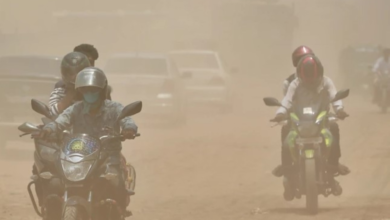
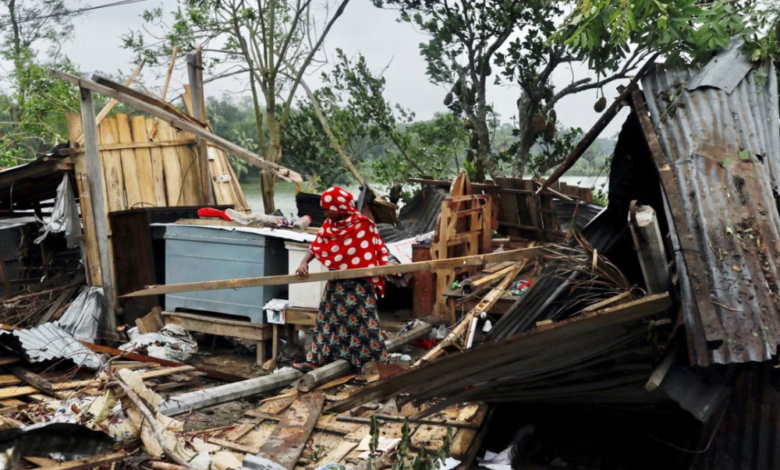
أفاد مكتب مفوّض عمليات الإنقاذ في الهند بتسجيل وفاة 111 شخصاً وإصابة 72 آخرين بجروح متفاوتة الخطورة، في قفزة مقلقة بعد أن كانت الحصيلة السابقة تقف عند 89 قتيلاً. وقد تركت العواصف التي اجتاحت المنطقة يوم الأربعاء الماضي دماراً واسعاً في البنية التحتية، حيث اقتلعت الرياح العاتية أسطح المنازل المصنوعة من الصفيح المموج، وأسقطت الأشجار الضخمة مما أدى إلى إغلاق الطرق الرئيسية والفرعية، وفقاً لما أظهرته مشاهد بثها التلفزيون المحلي في الولاية الواقعة شمالي البلاد.
وفي مشهد يجسد قوة هذه الكارثة الطبيعية، أظهر مقطع فيديو تداولته وسائل إعلام هندية، رجلاً يُقذف عالياً في الهواء في منطقة “باريلي”، وذلك في اللحظة المرعبة التي اقتلعت فيها الرياح سقف المبنى الذي كان يتواجد فيه.
السياق العام والخلفية التاريخية للتقلبات المناخية في الهند
تاريخياً، تُعد شبه القارة الهندية من أكثر المناطق الجغرافية عُرضة للتقلبات المناخية القاسية. فالهند تشهد سنوياً مواسم رياح موسمية (مونسون) وعواصف ترابية ورعدية تسبق فصل الصيف، تُعرف محلياً بشدتها في المناطق الشمالية والشرقية. ومع ذلك، فإن وتيرة وقوة هذه العواصف قد زادت بشكل غير مسبوق خلال العقد الأخير. ولاية “أوتار براديش” تحديداً، نظراً لموقعها الجغرافي وكثافتها السكانية الهائلة التي تتجاوز 200 مليون نسمة، تعتبر نقطة ضعف رئيسية أمام هذه الكوارث، حيث تؤدي البنية التحتية الهشة في المناطق الريفية إلى مضاعفة أعداد الضحايا وحجم الخسائر المادية عند وقوع أي طارئ مناخي.
أهمية الحدث وتأثيره المتوقع: محلياً، إقليمياً، ودولياً
على الصعيد المحلي: تفرض هذه العواصف العنيفة تحديات اقتصادية واجتماعية هائلة على الحكومة الهندية. فإلى جانب الخسائر البشرية المفجعة، تتسبب هذه الكوارث في تدمير المحاصيل الزراعية التي يعتمد عليها ملايين السكان في أوتار براديش، مما يهدد الأمن الغذائي المحلي ويؤدي إلى نزوح داخلي للسكان الذين فقدوا منازلهم ومصادر رزقهم.
على الصعيد الإقليمي: يُنذر هذا الحدث دول جنوب آسيا المجاورة، مثل بنغلاديش وباكستان ونيبال، بضرورة الاستعداد لمواسم مناخية أكثر قسوة. فالنظام المناخي في شبه القارة الهندية مترابط، وأي خلل في درجات الحرارة الإقليمية يؤدي إلى موجات جفاف أو فيضانات وعواصف تضرب المنطقة بأسرها، مما يضغط على الموارد المائية المشتركة ويزيد من التوترات الإقليمية.
على الصعيد الدولي: تُسلط هذه الكارثة الضوء مجدداً على الهند كواحدة من الدول الأكثر تضرراً من التغير المناخي، رغم كونها من الاقتصادات النامية الكبرى. يعزز هذا الحدث من موقف الهند والدول النامية في مؤتمرات المناخ العالمية (COP)، حيث تطالب بضرورة التزام الدول الصناعية الكبرى بخفض الانبعاثات الكربونية، وتوفير التمويل اللازم لصناديق “الخسائر والأضرار” لمساعدة الدول المتضررة على بناء بنية تحتية قادرة على الصمود أمام هذه الظواهر الجوية المتطرفة.