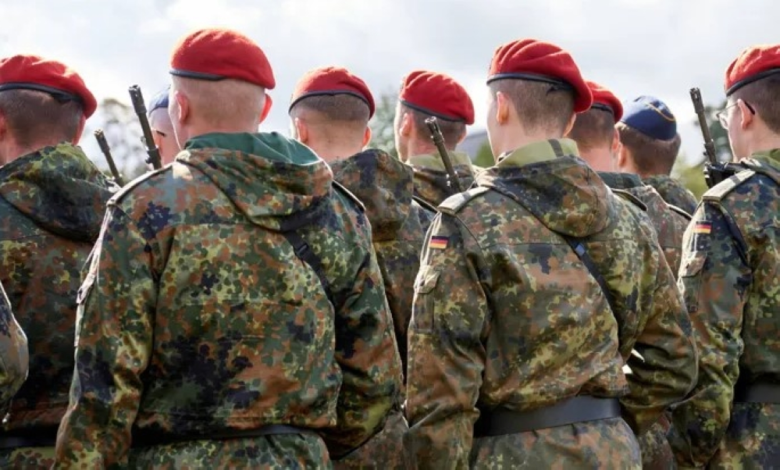

Introduction: Widespread controversy surrounding the new military service law in Germany
A little-known clause in Germany's new military service law has sparked widespread controversy in political and public circles, after press reports indicated it requires most young men to notify authorities and obtain prior permission before leaving the country for extended periods. In this context, the German Ministry of Defense confirmed that men aged 17 and over are required to obtain prior approval from the German Armed Forces (Bundeswehr) if they intend to stay abroad for more than three months.
Details of the controversial clause and clarifications from the Ministry of Defense
A Ministry of Defence spokesperson explained that this approval is granted automatically unless a specific military duty call-up is anticipated during that period. He added that the primary objective of this regulation is to ensure a reliable and comprehensive military service record that can be accessed when needed. He also noted that the Ministry is currently working on exceptions to the leave of absence requirement, as well as developing a fast, digital process for approving applications to avoid unnecessary bureaucracy.
A report published by the German newspaper Frankfurter Rundschau highlighted this clause, sparking widespread debate on social media. Many initially questioned the accuracy of the information, wondering why there had been no public discussion or transparency when the military service reforms were introduced last year. The new service law, which aims primarily to attract more young Germans to volunteer for military training to address manpower shortages in the armed forces, is scheduled to take effect next January.
Historical background: From compulsory military service to its suspension in 2011
To understand the broader context of this decision, it's necessary to examine the historical background of the German army. The modern German army was founded in 1955 during the Cold War and relied primarily on conscription to ensure the country's readiness against any potential Soviet threat. With the end of the Cold War and the changing global security landscape, Germany decided in 2011 to suspend conscription and transition to a fully volunteer, professional army, citing reasons related to cost reduction and the absence of a direct military threat on its borders at that time.
The turning point and the Russian invasion of Ukraine
However, the Russian invasion of Ukraine in late February 2022 marked a historic turning point in German defense policy. Berlin recognized that the security architecture in Europe had fundamentally changed, prompting Chancellor Olaf Scholz to announce a special fund of €100 billion for military modernization and to commit to spending 2% of GDP on defense, in accordance with NATO requirements. As part of NATO's defense plans, Germany agreed to a significant increase in the size of its regular and reserve forces.
The mechanism of the new law and its expected impact
Under the new law, military service remains voluntary, but all 18-year-old men are now required to complete a digital questionnaire about their interest in and fitness for military service, with the possibility of undergoing medical examinations if requested. The expected impact of this development is multifaceted. Domestically, the law sparks debate about the balance between civil liberties and civic duty. Regionally and internationally, this move sends a strong message of reassurance to Germany's Eastern European allies and reflects Berlin's commitment to strengthening NATO's eastern flank and deterring any potential aggression, in line with the general trend among European countries that have significantly increased their defense spending since the start of the war.