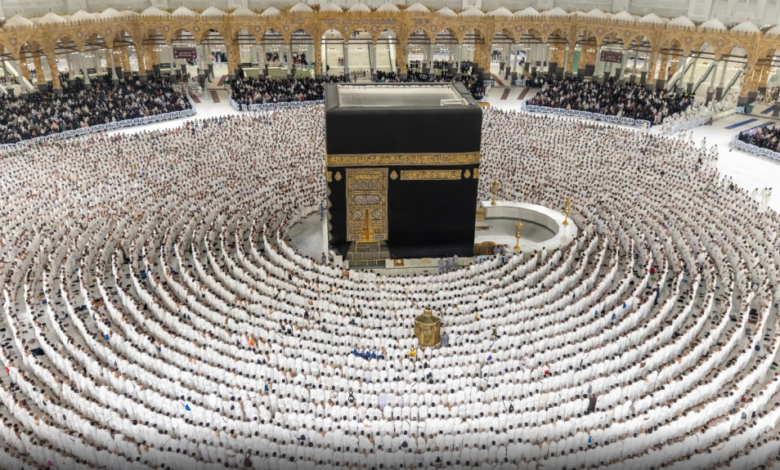

في إنجاز يعكس الجهود المستمرة لتطوير قطاع خدمة ضيوف الرحمن، أعلن وزير الحج والعمرة، الدكتور توفيق بن فوزان الربيعة، عن أرقام قياسية جديدة تعكس نجاح خطط الوزارة الاستراتيجية. فقد كشف معاليه أن المملكة العربية السعودية استقبلت أكثر من 18 مليون معتمر خلال الأعوام الثلاثة الماضية، مسجلة بذلك نسبة نمو استثنائية بلغت 214%. ولم يقتصر النجاح على لغة الأرقام فحسب، بل امتد ليشمل جودة الخدمات المقدمة، حيث بلغت نسبة رضا المعتمرين خلال عام 2025 نحو 94%، مما يؤكد التزام القيادة الرشيدة بتقديم أفضل الخدمات لقاصدي الحرمين الشريفين.
تنظيمات ومواعيد تأشيرة العمرة لعام 1447هـ
وفي سياق متصل بالتنظيم الدقيق لمواسم الزيارة، أصدرت وزارة الحج والعمرة توجيهات حاسمة تتعلق بصلاحية ومواعيد تأشيرة العمرة. وأكدت الوزارة أن اليوم الخامس عشر من شهر شوال لعام 1447هـ سيكون آخر موعد لدخول القادمين إلى المملكة بموجب تأشيرة العمرة. كما حددت غرة شهر ذي القعدة 1447هـ كموعد نهائي لمغادرة جميع المعتمرين الأراضي السعودية. وأوضحت الوزارة عبر حسابها الرسمي على منصة إكس أن إصدار تأشيرات العمرة سيتوقف بنهاية اليوم الأول من شهر شوال.
تأتي هذه الجدولة الزمنية الدقيقة ضمن خطة استباقية تهدف إلى تنظيم الموسم، وضمان انسيابية الحركة في المنافذ الجوية والبرية والبحرية، ورفع كفاءة إدارة الحشود. كما تُعد هذه الإجراءات تمهيداً ضرورياً لمرحلة التحول نحو موسم الحج، مع التشديد الصارم على أن أداء فريضة الحج يقتصر حصرياً على حاملي تأشيرة حج نظامية، ولا يُسمح بأداء المناسك بتأشيرة العمرة أو الزيارة بكافة أنواعها.
السياق التاريخي ورؤية المملكة 2030
لا يمكن قراءة هذه القفزة الكبيرة في أعداد المعتمرين بمعزل عن السياق العام والتاريخي لجهود المملكة العربية السعودية في خدمة الحرمين الشريفين. فمنذ تأسيس المملكة، توالت التوسعات التاريخية للمسجد الحرام والمسجد النبوي، وتندرج هذه الإنجازات الحديثة بشكل مباشر تحت مظلة برنامج خدمة ضيوف الرحمن، أحد أهم برامج رؤية السعودية 2030، والذي يهدف إلى إتاحة الفرصة لأكبر عدد ممكن من المسلمين لأداء فريضة الحج والعمرة، مع استهداف الوصول إلى 30 مليون معتمر سنوياً بحلول عام 2030.
وقد ساهمت البنية التحتية المتطورة في تحقيق هذه الأرقام، مثل تشغيل قطار الحرمين السريع الذي يربط بين مكة المكرمة والمدينة المنورة، وتوسعة مطار الملك عبدالعزيز الدولي بجدة، بالإضافة إلى إطلاق منصة نسك الإلكترونية التي أحدثت ثورة رقمية في تسهيل إجراءات استخراج التأشيرات وحجز الباقات للمسلمين من كافة أنحاء العالم.
التأثير المحلي والدولي لنمو قطاع العمرة
يحمل هذا النمو المتسارع في أعداد المعتمرين تأثيرات إيجابية واسعة النطاق. على الصعيد المحلي، يُسهم قطاع الحج والعمرة في إنعاش الاقتصاد الوطني، حيث يخلق آلاف فرص العمل للشباب السعودي في قطاعات الضيافة، النقل، الإعاشة، والسياحة الدينية. كما يعزز من دور القطاع الخاص في تقديم خدمات مبتكرة ترتقي بتجربة الحاج والمعتمر.
أما على الصعيدين الإقليمي والدولي، فإن التسهيلات غير المسبوقة التي تقدمها المملكة، مثل إتاحة أداء العمرة للحاصلين على كافة أنواع التأشيرات السياحية والشخصية، تعزز من مكانة السعودية كقلب نابض للعالم الإسلامي. هذه الجهود لا تعكس فقط الكفاءة الإدارية واللوجستية للمملكة في إدارة أكبر التجمعات البشرية في العالم، بل تبرز أيضاً رسالتها السامية في تيسير وصول المسلمين إلى مقدساتهم بكل يسر وطمأنينة.