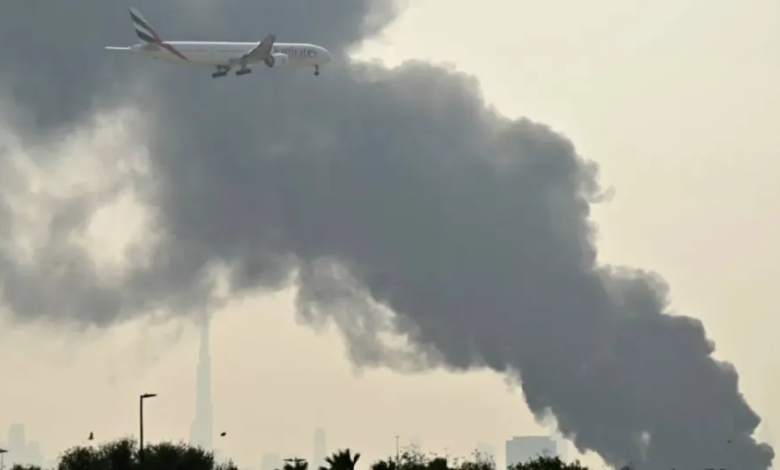

شهدت منطقة الخليج العربي تصعيداً أمنياً ملحوظاً في الآونة الأخيرة، حيث أعلنت كل من الإمارات العربية المتحدة والمملكة العربية السعودية عن اعتراض وتدمير هجمات متعددة شُنت باستخدام طائرات مسيّرة وصواريخ باليستية. ورغم أن هذه الهجمات لم تسفر عن خسائر في الأرواح، إلا أنها أثارت قلقاً إقليمياً ودولياً واسعاً، وسلطت الضوء مجدداً على هشاشة الأمن في واحدة من أهم المناطق الاستراتيجية في العالم.
تفاصيل الهجمات الأخيرة
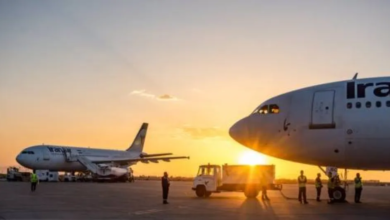
وفقاً للبيانات الرسمية الصادرة عن السلطات في البلدين، استهدفت الهجمات منشآت حيوية وبنى تحتية رئيسية. ففي الإمارات، استهدفت طائرات مسيّرة مناطق في العاصمة أبوظبي، بما في ذلك منطقة صناعية بالقرب من مطار أبوظبي الدولي ومواقع تابعة لشركة بترول أبوظبي الوطنية (أدنوك)، مما أدى إلى اندلاع حرائق ووقوع أضرار مادية. وفي السعودية، أعلنت قوات الدفاع الجوي الملكي السعودي بشكل متكرر عن اعتراضها وتدميرها طائرات مسيّرة مفخخة وصواريخ باليستية كانت تستهدف مدناً ومطارات في جنوب المملكة، مثل جازان ونجران وأبها.
السياق التاريخي والنزاع في اليمن
تأتي هذه الهجمات في سياق الصراع الدائر في اليمن منذ عام 2015، حيث تقود المملكة العربية السعودية تحالفاً عسكرياً لدعم الحكومة اليمنية المعترف بها دولياً ضد جماعة الحوثي (أنصار الله) المدعومة من إيران. ومع استمرار الحرب، طوّر الحوثيون قدراتهم العسكرية بشكل كبير، خاصة في مجال الطائرات المسيّرة والصواريخ الباليستية، وبدأوا في استخدامها كسلاح استراتيجي لضرب أهداف في عمق أراضي دول التحالف، بهدف الضغط السياسي والعسكري وإظهار قدرتهم على إلحاق الضرر الاقتصادي والأمني.
الأهمية والتأثيرات المتوقعة
تحمل هذه الهجمات أبعاداً وتأثيرات تتجاوز حدود ساحة المعركة المباشرة. فعلى الصعيد المحلي، تختبر هذه الهجمات كفاءة أنظمة الدفاع الجوي لدول الخليج وتدفعها إلى استثمار المزيد في التقنيات الدفاعية المتقدمة. كما أنها تؤثر على معنويات السكان وتثير مخاوف بشأن سلامة المنشآت الحيوية التي يعتمد عليها الاقتصاد العالمي، مثل المطارات والموانئ ومنشآت الطاقة.
إقليمياً، تزيد هذه الهجمات من حدة التوتر بين دول الخليج وإيران، التي تتهمها هذه الدول بتزويد الحوثيين بالأسلحة والتكنولوجيا المتطورة، وهو ما تنفيه طهران. ويؤدي هذا التصعيد إلى تعقيد الجهود الدبلوماسية الرامية إلى حل النزاع في اليمن وإيجاد تسوية سياسية شاملة. أما على الصعيد الدولي، فقد أثارت الهجمات إدانات واسعة من الأمم المتحدة والولايات المتحدة ودول أوروبية، مع دعوات لوقف فوري لإطلاق النار. كما أنها تثير قلقاً بشأن استقرار أسواق الطاقة العالمية، حيث تعد منطقة الخليج مصدراً رئيسياً للنفط والغاز في العالم، وأي تهديد لأمنها يمكن أن يؤدي إلى تقلبات حادة في الأسعار.