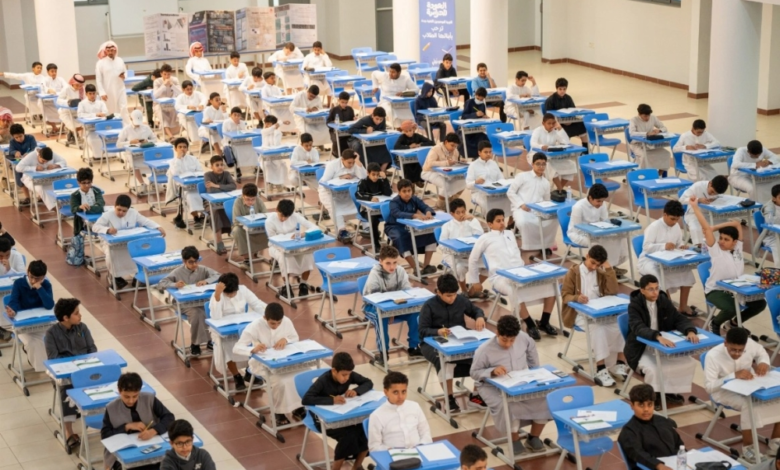

انطلاق المرحلة الثانية من أولمبياد نسمو
في خطوة استراتيجية تعكس التزام المملكة العربية السعودية بتطوير قدرات أبنائها، دشنت مؤسسة الملك عبدالعزيز ورجاله للموهبة والإبداع “موهبة”، بالتعاون والشراكة الفاعلة مع وزارة التعليم، المرحلة الثانية من أولمبياد “نسمو” الوطني. تشهد هذه المرحلة مشاركة واسعة تضم 19,489 طالباً وطالبة من مختلف أنحاء المملكة، بهدف رئيسي يتمثل في تأهيل النخب العلمية الشابة في 47 مدينة سعودية لخوض غمار المنافسات الدولية، وتعزيز منظومة رعاية الموهبة المستدامة.
السياق التاريخي ودور “موهبة” في دعم الابتكار
تأسست مؤسسة “موهبة” لتكون الحاضنة الأولى للمبدعين في المملكة، ومنذ ذلك الحين، أخذت على عاتقها اكتشاف ورعاية الموهوبين في المجالات العلمية والتقنية. ويأتي أولمبياد “نسمو” امتداداً لسلسلة من البرامج والمبادرات التي تتماشى بشكل وثيق مع مستهدفات رؤية السعودية 2030، وتحديداً برنامج تنمية القدرات البشرية الذي يسعى إلى إعداد مواطن منافس عالمياً. إن الاستثمار في العقول الشابة لم يعد خياراً، بل هو ركيزة أساسية للتحول نحو اقتصاد المعرفة والابتكار.
تفاصيل المرحلة الثانية والتدريب المكثف
تتضمن المرحلة الحالية، التي تستمر فعالياتها حتى التاسع من شهر أبريل الجاري، برامج تدريبية علمية مكثفة. ويشرف على هذه البرامج نخبة من الكفاءات التعليمية بواقع 778 معلماً ومعلمة. يتلقى الطلاب تدريباً بمعدل ست ساعات يومياً على مدار خمسة أيام متواصلة في مختلف المحافظات. وقد كشفت “موهبة” أن الطلبة المتأهلين يمثلون 16 منطقة تعليمية، بالإضافة إلى إدارات التعليم في الهيئة الملكية بالجبيل وينبع.
التخصصات العلمية وتصدر مسار الرياضيات
يتوزع الطلاب المشاركون على ستة تخصصات علمية حيوية ودقيقة. وقد أظهرت الإحصاءات الرسمية تصدر مسار الرياضيات بأكبر عدد من المشاركين، حيث بلغ عددهم 5,830 طالباً وطالبة. تلاه في المرتبة الثانية مسار المعلوماتية بـ 5,057 مشاركاً، ثم مساري الأحياء والفيزياء بنحو 2,220 طالباً لكل منهما، وصولاً إلى تخصصي العلوم والكيمياء. هذا التنوع يعكس شمولية البرنامج وتغطيته لأهم مجالات العلوم الحديثة.
الأثر المتوقع والمشاركات الدولية
على الصعيد المحلي، يخلق أولمبياد “نسمو” بيئة تنافسية صحية ترفع من مستوى التحصيل العلمي. أما على الصعيدين الإقليمي والدولي، فإن هذا البرنامج يُعد المصنع الحقيقي لأبطال المملكة الذين سيمثلونها في المحافل العالمية مثل معرض آيسف (ISEF) الدولي للعلوم والهندسة، والأولمبياد الدولي للرياضيات والكيمياء والفيزياء. لقد أثبتت المملكة تفوقها في السنوات الماضية بحصد مئات الجوائز الدولية، و”نسمو” هو الخطوة الأولى لضمان استمرار هذا التفوق ورفع اسم المملكة عالياً.
نجاح باهر للمرحلة الأولى وختام مرتقب
لفتت الجهات المنظمة إلى أن النسخة الحالية من الأولمبياد شهدت توسعاً غير مسبوق في قاعدة المشاركة؛ إذ انطلقت المرحلة الأولى بمنافسة ضخمة ضمت 99,179 طالباً وطالبة من أكثر من 8,000 مدرسة في مختلف المناطق. ومن المقرر أن تُختتم المرحلة الثانية باختبار مسابقة الإدارات العامة يوم الخميس المقبل حضورياً، تمهيداً لتشكيل الفرق الأولية التي ستنتقل إلى مراحل التدريب المتقدمة والاختبارات الوطنية النهائية.
تظاهرة وطنية لاكتشاف الموهوبين
ختاماً، أكدت وزارة التعليم أن هذا التعاون الاستراتيجي مع “موهبة” يهدف إلى بناء بيئة تعليمية محفزة، تحول المواهب الوطنية إلى طاقات قادرة على الابتكار. إن أولمبياد “نسمو” يتجاوز كونه مجرد مسابقة سنوية، ليصبح تظاهرة وطنية كبرى تستهدف طلاب الصف الأول المتوسط حتى الأول الثانوي، وحجر زاوية في بناء مستقبل مشرق للمملكة يُمكّن أبناءها من المنافسة والريادة على المستوى العالمي.