
أعلنت الحكومة البريطانية عن خطوة أثارت جدلاً واسعاً في الأوساط السياسية والاقتصادية، حيث قررت تخفيف بعض العقوبات المفروضة على موسكو من خلال إعادة السماح باستيراد الديزل الروسي والكيروسين المستخرج من النفط الروسي والمكرر في دول أخرى.
السياق التاريخي للعقوبات على روسيا
منذ اندلاع الحرب الروسية الأوكرانية في أواخر فبراير 2022، سارعت الدول الغربية، وفي مقدمتها المملكة المتحدة والولايات المتحدة ودول الاتحاد الأوروبي، إلى فرض حزم عقوبات اقتصادية غير مسبوقة على روسيا. كان الهدف الأساسي من هذه العقوبات هو شل قدرة الكرملين على تمويل آلية الحرب. وشملت تلك الإجراءات حظراً واسع النطاق على واردات النفط الخام والغاز الطبيعي الروسي، بالإضافة إلى فرض سقف لأسعار النفط الروسي المنقول بحراً من قبل مجموعة السبع. ومع ذلك، واجهت الدول الأوروبية تحديات كبيرة في تأمين بدائل للطاقة، مما أدى إلى تقلبات حادة في أسعار الوقود عالمياً.
تفاصيل القرار البريطاني الجديد
وفي هذا السياق، يأتي القرار البريطاني الجديد الذي يسمح باستيراد المشتقات النفطية مثل الديزل والكيروسين، شريطة أن تكون قد خضعت لعمليات التكرير في دول ثالثة. ووفقاً لموقع وزارة الأعمال والتجارة البريطانية، فإن هذا الترخيص غير محدد المدة وسيخضع للمراجعة بشكل دوري. كما أصدرت الحكومة ترخيصاً مؤقتاً لتخفيف العقوبات المفروضة على الغاز الطبيعي المسال المُصدَّر من بعض المصانع الروسية.
التطبيق التدريجي والموقف الأوكراني
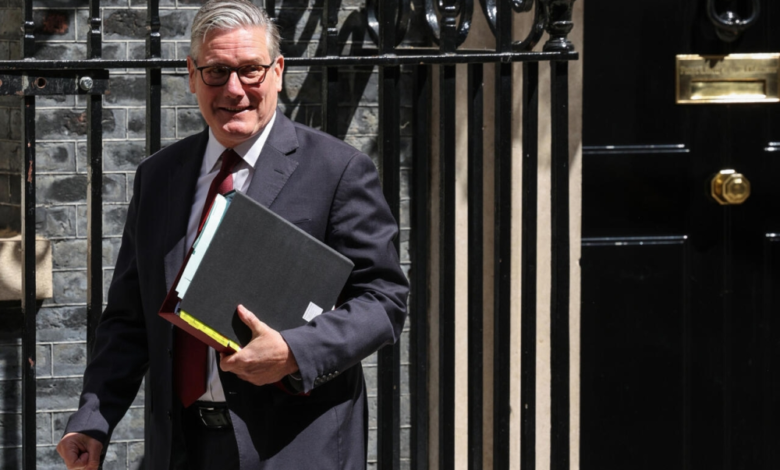
كانت المملكة المتحدة قد أعلنت في شهر أكتوبر الماضي عن نيتها حظر الواردات المشتقة من النفط الخام الروسي لسد الثغرات في نظام العقوبات. ولتوضيح الموقف الحالي، أجرى رئيس الوزراء البريطاني كير ستارمر مكالمة هاتفية مع الرئيس الأوكراني فولوديمير زيلينسكي. وأكد ستارمر خلال المكالمة أن الحكومة تصدر رخصتين قصيرتي الأجل ومحددتي الأهداف لتطبيق العقوبات الجديدة تدريجياً، وذلك بهدف حماية المستهلكين البريطانيين من صدمات الأسعار.
وشدد متحدث باسم “داونينج ستريت” على أن هذه الإجراءات ستؤدي في النهاية إلى تقليل كمية النفط الروسي في السوق، مما يضعف الاقتصاد الروسي، مؤكداً لزيلينسكي أن بريطانيا تكثف جهودها لخنق الاقتصاد الروسي بحزم عقوبات جديدة، وأن الأمر لا يتعلق برفع العقوبات الحالية بشكل دائم.
انتقادات حادة من المعارضة
لم يمر هذا القرار دون انتقادات لاذعة من الداخل البريطاني. فقد شنت زعيمة حزب المحافظين، كيمي بادنوك، هجوماً حاداً على رئيس الوزراء، متهمة إياه باتخاذ قرارات سيئة عبر السماح بشراء النفط الروسي. واعتبرت المعارضة أن هذه الأموال ستصب في النهاية في خزانة موسكو وتُستخدم لتمويل العمليات العسكرية ضد الجنود الأوكرانيين، مما يتناقض مع الموقف البريطاني الصارم الذي فرض عقوبات على أكثر من 3000 فرد وشركة روسية منذ بداية الغزو.
التأثيرات العالمية والإقليمية على أسواق الطاقة
يتزامن القرار البريطاني مع تطورات هامة في أسواق الطاقة العالمية. فقد جاءت هذه الخطوة عقب قيام الولايات المتحدة برفع بعض العقوبات المفروضة على شحنات النفط الروسي المنقولة بحراً. يعود هذا التوجه الأمريكي والبريطاني إلى المخاوف المتزايدة من نقص إمدادات النفط العالمية وارتفاع أسعار الطاقة بشكل حاد، خاصة في ظل التوترات الجيوسياسية المتصاعدة في الشرق الأوسط وتأثيرها على خطوط الملاحة وإمدادات الطاقة.
إن السماح بدخول المشتقات المكررة في دول ثالثة يعكس محاولة غربية لخلق توازن دقيق بين معاقبة روسيا اقتصادياً، وبين الحفاظ على استقرار أسواق الطاقة المحلية والعالمية وتجنب أزمات اقتصادية قد تضر بالمواطنين في الدول الغربية وتؤدي إلى معدلات تضخم غير مسبوقة.