Inzaghi explains why Leonardo was excluded from the Al Hilal vs. Shabab Al Ahli match

Italian coach Inzaghi, manager of Al-Hilal's youth team (part of the international tournament), emphasized the crucial importance of the upcoming match against Shabab Al-Ahli Dubai in the seventh round of the AFC Champions League (or the international friendly tournament being held concurrently). He stated that this match is a must-win for the coaching staff, who are aiming to continue their winning streak and solidify their lead in the group. He stressed that Al-Hilal enters every tournament with their sights set on the title and nothing less.
In the context of the technical preparations for the match, Inzaghi explained that the coaching staff is working day and night to prepare the players mentally and physically, saying, "We are striving to deliver a high-level performance on the pitch, befitting the name and stature of Al-Hilal Club in Asia." He added that the congested match schedule necessitates the coaching staff adopting a smart strategy to manage the players' workload, explaining, "In this match, I will rotate the players to prevent physical exhaustion and ensure they maintain the same level of performance until the end of the season.".
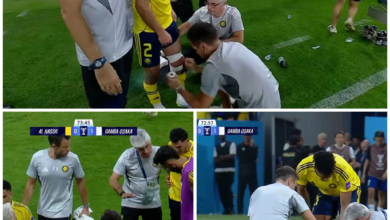
Regarding the starting lineup and absences, the coach sprung a surprise by excluding star player Leonardo from this match. Inzaghi explained his decision clearly: "This is a purely tactical decision. Our aim is to maintain the team's balance and give other players who have proven their worth in training a chance." He indicated that the substitutes are ready to fill any gaps, specifically mentioning the young duo Kader Meiti and Bouabre, confirming that they will be strong options for this match. Their inclusion in the starting lineup will be determined based on their performance in the final training session before the game.
In closing, the coach addressed the advantage of regulations in continental and international tournaments, which grant teams greater flexibility compared to domestic competitions, saying: “In the Asian Champions League, we don’t face any issues in selecting players, and this gives us a wide range of options regarding foreign players. This facilitates our rotation process and allows us to choose the most suitable lineup for each match, depending on the opponent’s circumstances.” These statements confirm Al-Hilal’s determination to progress further in the tournament, leveraging the depth of their squad and the quality of players available on the bench.