
تحذيرات أممية من تداعيات حرب الشرق الأوسط
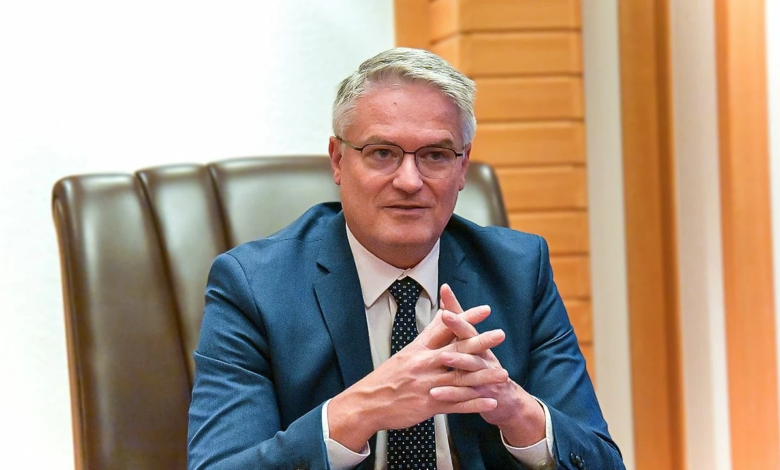
حذر ماتياس كورمان، الأمين العام لمنظمة التعاون الاقتصادي والتنمية (OECD)، من تصاعد المخاطر التي تهدد استقرار الاقتصاد العالمي نتيجة استمرار التوترات الجيوسياسية وحرب الشرق الأوسط. وتأتي هذه التحذيرات في وقت حرج يشهد فيه العالم تقلبات حادة في أسعار الطاقة، مما يلقي بظلاله الثقيلة على معدلات التضخم العالمية. وفي مقابلة صحفية مع وكالة «بلومبرغ» على هامش اجتماعات مجموعة السبع (G7) التي عُقدت في العاصمة الفرنسية باريس، أكد كورمان أن المنظمة تعتزم مراجعة وتحديث توقعاتها الاقتصادية خلال الأسابيع القليلة القادمة، مشيراً إلى أن الأزمة الحالية تفرض ضغوطاً هبوطية قوية على مسار النمو العالمي، وتساهم في رفع معدلات التضخم بشكل ملحوظ.
السياق التاريخي وأهمية المنطقة لأسواق الطاقة
تاريخياً، لطالما كان الشرق الأوسط يمثل العصب الرئيسي لإمدادات الطاقة العالمية. وأي صراع في هذه المنطقة الحيوية يعيد إلى الأذهان أزمات النفط الكبرى، مثل صدمة عام 1973، حيث تؤدي التوترات إلى اضطرابات في سلاسل التوريد عبر الممرات المائية الاستراتيجية مثل مضيق هرمز والبحر الأحمر. هذه الممرات لا تنقل النفط والغاز فحسب، بل تمر عبرها نسبة كبيرة من حركة التجارة العالمية. وبالتالي، فإن أي تصعيد عسكري أو أمني في المنطقة ينعكس فوراً على تكاليف الشحن والتأمين، مما يؤدي في النهاية إلى ارتفاع أسعار السلع النهائية التي يتحملها المستهلك في مختلف أنحاء العالم.
تحديات السياسة النقدية والبنوك المركزية
وفي سياق مواجهة هذه التحديات المعقدة، أوضح كورمان أن البنوك المركزية الكبرى تواجه معضلة حقيقية وتحدياً بالغ الصعوبة. يكمن هذا التحدي في كيفية التعامل مع مزيج خطير يُعرف اقتصادياً بـ “الركود التضخمي”، وهو تزايد الضغوط التضخمية المرتفعة بالتزامن مع ضعف النشاط الاقتصادي وتباطؤ النمو. ولفت الأمين العام إلى أن استمرار ارتفاع أسعار الطاقة وتداعياتها المباشرة على الأجور وأسعار السلع الأساسية، قد يجبر البنوك المركزية على الاستمرار في تشديد السياسة النقدية والإبقاء على أسعار الفائدة مرتفعة لفترة أطول من المتوقع، مما يعيق فرص التعافي الاقتصادي السريع.
التأثيرات المتوقعة: محلياً وإقليمياً ودولياً
على الصعيد الدولي، من المتوقع أن يؤدي استمرار حرب الشرق الأوسط إلى تباطؤ ملحوظ في الناتج المحلي الإجمالي العالمي، مع تراجع ثقة المستثمرين والمستهلكين على حد سواء. أما على الصعيد الإقليمي، فرغم أن بعض الدول المصدرة للطاقة قد تشهد زيادة مؤقتة في إيراداتها نتيجة ارتفاع أسعار النفط، إلا أن حالة عدم اليقين الأمني والاقتصادي تضر بمناخ الاستثمار الأجنبي المباشر في المنطقة ككل. ومحلياً، يشعر المواطنون في مختلف الدول بتأثير هذه الأزمات من خلال ارتفاع تكاليف المعيشة، وزيادة أسعار الوقود، وتراجع القوة الشرائية للعملات المحلية.
توقعات منظمة التعاون الاقتصادي والتنمية
وتُعد منظمة التعاون الاقتصادي والتنمية من أوائل المؤسسات الدولية الكبرى التي دقت ناقوس الخطر. ففي شهر مارس الماضي، حذرت المنظمة من أن اتساع رقعة الصراع، وخاصة أي مواجهة مباشرة محتملة أو حرب أمريكية ضد إيران، سيؤدي حتماً إلى قفزات غير مسبوقة في أسعار الطاقة وتراجع حاد في النشاط الاقتصادي العالمي. ومن المقرر أن تصدر المنظمة تحديثاً شاملاً لتوقعاتها ومؤشراتها الاقتصادية في الثالث من شهر يونيو المقبل، وهو التقرير الذي تترقبه الأسواق المالية العالمية وصناع القرار لبناء استراتيجياتهم المستقبلية في مواجهة هذه التحديات المتصاعدة.