
مأساة إنسانية في جنوب تنزانيا
شهدت المناطق الجنوبية من جمهورية تنزانيا كارثة طبيعية مأساوية، حيث لقي 20 شخصاً على الأقل مصرعهم إثر انزلاقات أرضية طينية مدمرة ناجمة عن هطول أمطار غزيرة اجتاحت المنطقة. وتأتي هذه الحادثة لتسلط الضوء مجدداً على التحديات المناخية القاسية التي تواجهها دول شرق إفريقيا خلال مواسم الأمطار، والتي غالباً ما تخلف خسائر فادحة في الأرواح والممتلكات وتدمر البنية التحتية الهشة.
تفاصيل الكارثة في مقاطعة رونغوي
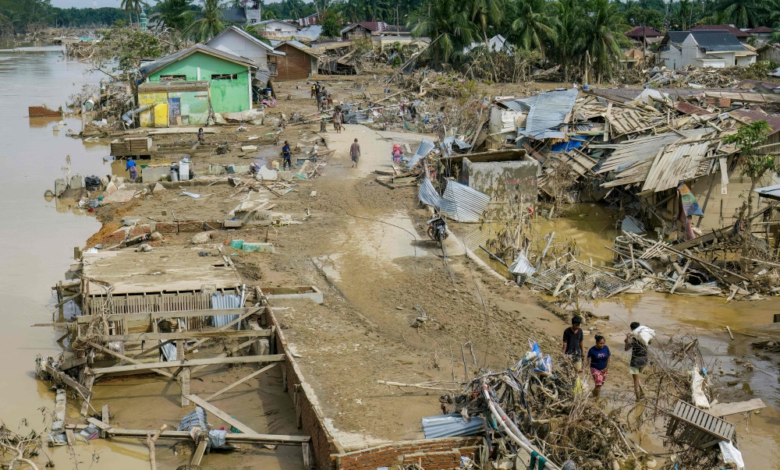
وفقاً للتصريحات الرسمية، تركزت الأضرار بشكل كبير في مقاطعة رونغوي التابعة لمنطقة مبيا الجبلية في جنوب تنزانيا. وأفاد المسؤول المحلي في المقاطعة، جعفر هاني، في تصريحات نقلتها وكالة الأنباء الفرنسية، بأن الأمطار الغزيرة التي كانت مصحوبة برياح عاتية أدت إلى حدوث انهيارات طينية وانزلاقات أرضية شديدة. وقد أسفرت هذه الانهيارات عن تدمير عدد كبير من المنازل بالكامل فجر يوم الأربعاء الماضي، مما أدى إلى طمر العديد من السكان تحت الأنقاض والطين وهم نيام.
وأكدت فرق الطوارئ والإنقاذ أنها تمكنت من انتشال 18 جثة في يوم الأربعاء ذاته، بينما استمرت عمليات البحث والتمشيط لتسفر عن انتشال جثتين إضافيتين في اليوم التالي، ليصل إجمالي عدد الضحايا المؤكدين إلى 20 شخصاً، مع استمرار المخاوف من وجود مفقودين آخرين في ظل صعوبة الوصول إلى بعض المناطق المتضررة.
السياق الجغرافي والمناخي لجنوب تنزانيا
تتميز منطقة مبيا في جنوب تنزانيا بتضاريسها الجبلية شديدة الانحدار وتربتها الخصبة التي تجذب السكان للزراعة والاستقرار. ومع ذلك، فإن هذه الطبيعة الجغرافية تجعل المنطقة شديدة العرضة لخطر الانزلاقات الأرضية، خاصة خلال موسم الأمطار الاستوائية. وتاريخياً، عانت تنزانيا ودول منطقة شرق إفريقيا من تقلبات مناخية حادة، ترتبط غالباً بظواهر مناخية عالمية مثل ظاهرة “النينيو” (El Niño) وظاهرة “ثنائية القطب في المحيط الهندي” (IOD)، والتي تؤدي إلى معدلات هطول أمطار تتجاوز المعدلات الطبيعية بكثير، مما يتسبب في فيضانات كارثية وانهيارات أرضية متكررة.
الاستجابة العاجلة ونداءات الإخلاء
في ظل استمرار التهديدات الجوية وتوقع هطول مزيد من الأمطار، سارعت السلطات التنزانية إلى اتخاذ تدابير احترازية صارمة. ووجهت الجهات المعنية نداءات عاجلة للسكان بضرورة الإخلاء الفوري، حيث حث المسؤولون جميع القاطنين في المناطق المنحدرة والمواقع الجغرافية المعرضة لخطر الانزلاقات على مغادرة منازلهم والانتقال إلى مراكز إيواء مؤقتة أو مناطق أكثر أماناً. وتواجه فرق الطوارئ تحديات لوجستية كبيرة بسبب انقطاع بعض الطرق وتضرر البنية التحتية الأساسية، مما يعيق وصول المساعدات الإنسانية والطبية بالسرعة المطلوبة.
التأثيرات والتداعيات المتوقعة
على الصعيد المحلي، تسببت هذه الكارثة في تشريد مئات العائلات وفقدانهم لمصادر رزقهم، لا سيما وأن الغالبية يعتمدون على الزراعة التي تضررت أراضيها بشدة جراء الانجرافات الطينية. أما على الصعيد الإقليمي، فإن هذا الحدث يطلق جرس إنذار لدول الجوار التي تشترك في نفس الخصائص الجغرافية والمناخية، بضرورة تعزيز أنظمة الإنذار المبكر وتطوير استراتيجيات فعالة لإدارة الكوارث.
دولياً، تعيد هذه المأساة تسليط الضوء على التأثيرات المدمرة للتغير المناخي على الدول النامية، مما يبرز الحاجة الماسة لتدخل المجتمع الدولي لتقديم الدعم المالي والتقني. إن تعزيز قدرة هذه الدول على التكيف مع التغيرات المناخية وبناء بنية تحتية مقاومة للكوارث أصبح ضرورة ملحة لتجنب تكرار مثل هذه المآسي الإنسانية وحماية المجتمعات الضعيفة في المستقبل.