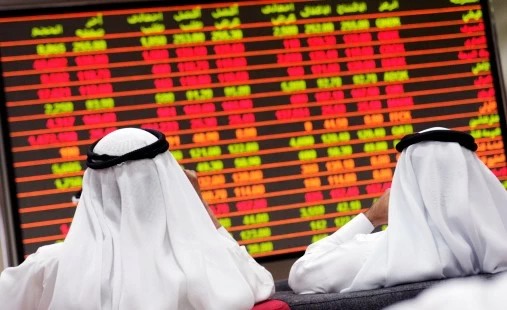

شهدت معظم أسواق الأسهم الرئيسية في منطقة الخليج تراجعاً ملحوظاً في تداولات اليوم، حيث سادت حالة من الحذر بين المستثمرين مع تضاؤل الآمال في إحراز تقدم دبلوماسي ينهي التوترات القائمة بين الولايات المتحدة وإيران. وتأتي هذه الخسائر لتعكس حساسية الأسواق الإقليمية تجاه أي تصعيد جيوسياسي قد يهدد استقرار المنطقة ومسارات الطاقة العالمية.
في تفاصيل أداء الأسواق، انخفض مؤشر سوق دبي المالي بنسبة 0.6%، متأثراً بخسائر الأسهم القيادية، حيث فقد سهم بنك الإمارات دبي الوطني 2.7% من قيمته، وتراجع سهم شركة إعمار العقارية بنسبة 2.1%. وبالمثل، هبط مؤشر سوق أبوظبي للأوراق المالية بنسبة 0.9%، وكان من أبرز الأسهم الخاسرة سهم شركة “أدنوك للغاز” الذي انخفض بنسبة 3% بعد الإعلان عن تراجع أرباح الشركة خلال الربع الأول من العام.
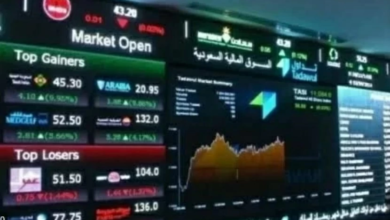
وفي أكبر أسواق المنطقة، تراجع المؤشر العام للسوق السعودية “تاسي” بنسبة 1.1%، بضغط من هبوط سهم مصرف الراجحي بنسبة 1.6% وسهم “أكوا باور” الذي هوى بنسبة 8.9%. وعلى الرغم من الأداء السلبي العام، تمكن سهم عملاق النفط “أرامكو السعودية” من تحقيق ارتفاع طفيف بنسبة 0.6%. كما أغلق مؤشر بورصة قطر على انخفاض بنسبة 1%، في حين ارتفع مؤشر بورصة البحرين بشكل طفيف بنسبة 0.2% ليصل إلى 1933 نقطة. وخارج منطقة الخليج، أغلق المؤشر الرئيسي للبورصة المصرية على تراجع أيضاً.
خلفية التوترات وأثرها الاقتصادي
تعود جذور التوتر الحالي إلى عقود من العلاقات المعقدة بين واشنطن وطهران، والتي تفاقمت بشكل كبير بعد انسحاب الولايات المتحدة من الاتفاق النووي (خطة العمل الشاملة المشتركة) في عام 2018، وإعادة فرض عقوبات اقتصادية مشددة على إيران بهدف الضغط عليها. وتؤثر هذه التوترات بشكل مباشر على منطقة الخليج نظراً لموقعها الجغرافي الاستراتيجي وقربها من إيران، واعتماد اقتصاداتها بشكل كبير على صادرات النفط والغاز التي يمر جزء كبير منها عبر مضيق هرمز.
أهمية استقرار المنطقة للأسواق العالمية
يمثل مضيق هرمز شرياناً حيوياً للطاقة العالمية، حيث يمر عبره ما يقارب 20% من إجمالي إمدادات النفط والغاز الطبيعي المسال في العالم. وأي تهديد بإغلاق المضيق أو تعطيل الملاحة فيه يؤدي إلى قفزة فورية في أسعار النفط العالمية وزيادة تكاليف التأمين على الشحن، مما يلقي بظلاله السلبية على الاقتصاد العالمي ككل. لذلك، يراقب المستثمرون في أسواق الخليج والأسواق العالمية عن كثب أي تصريحات أو تحركات قد تشير إلى تصعيد أو انفراج في الأزمة، حيث إن الاستقرار في هذه المنطقة يعد ركيزة أساسية لاستقرار أسواق الطاقة وثقة المستثمرين الدوليين.