
Daily weather forecasts to serve the pilgrims
The National Center of Meteorology in Saudi Arabia announced the launch of daily weather bulletins specifically for the Hajj season, as part of its comprehensive preparations to serve pilgrims and field teams. This service, which will continue until the arrival of all pilgrims in Mecca and the holy sites is complete, aims to provide accurate and up-to-date weather information, thus facilitating the movement of pilgrims and enabling them to perform their rituals with ease and safety.
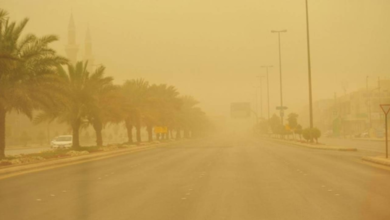
The daily bulletins issued by the center include comprehensive details of the expected weather conditions at the designated locations for entering the state of Ihram, on the roads leading to Mecca, and within the holy sites. These details include maximum and minimum temperatures, wind speed and direction, relative humidity levels, and the most prominent potential weather phenomena such as the chances of rain or dust storms.
Historical context and the importance of weather monitoring during Hajj
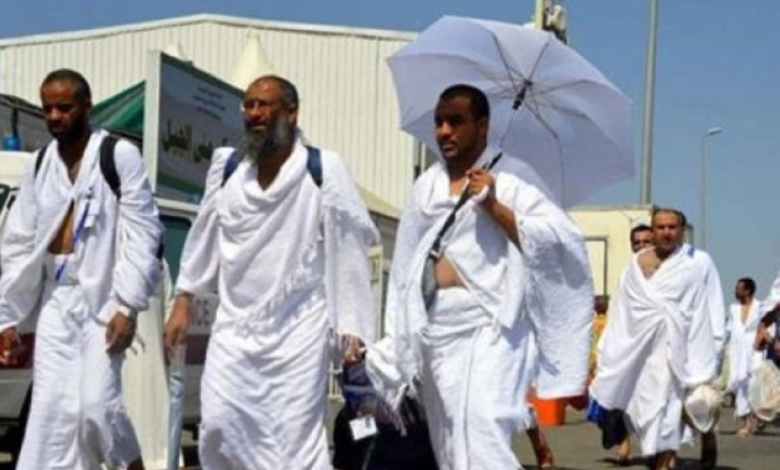
These efforts reflect the Kingdom's profound commitment to the safety of pilgrims. The Hajj, the fifth pillar of Islam, which draws millions of Muslims annually, demands considerable physical exertion in open spaces. With the Hajj season coinciding with the summer months in recent years, the hot weather has become a major challenge for both pilgrims and organizers. Historically, weather has always been a significant factor in the Hajj journey, as high temperatures can lead to heat exhaustion and heatstroke, particularly among the elderly and those with chronic illnesses, necessitating advanced preventative measures.
Local and international impact of meteorological services
Domestically, this accurate weather data is a vital tool for government agencies involved in Hajj operations, such as the Ministry of Health, Civil Defense, and Hajj security forces. It enables them to develop proactive plans, allocate resources effectively, and issue timely warnings to pilgrims, such as advising them to avoid going out during peak hours and to drink plenty of fluids. Internationally, this service reflects the Kingdom's commitment to harnessing all available technological capabilities to serve millions of Muslims from around the world, reinforcing its image as a leading organizer of the world's largest annual religious gathering and reassuring countries about the safety of their citizens.
Advanced technologies and qualified personnel
The National Center for Meteorology relies on an integrated system of modern technologies to ensure the accuracy of its information. This system includes a wide network of ground-based observation stations, advanced weather radars, satellite imagery, and high-resolution numerical weather prediction models. This data is analyzed by qualified technical and human resources to provide reliable forecasts that support planning and decision-making. This step comes as part of the Center's early preparations for the Hajj season, which aim to enhance operational readiness and provide high-quality meteorological services in accordance with the directives of the wise leadership.