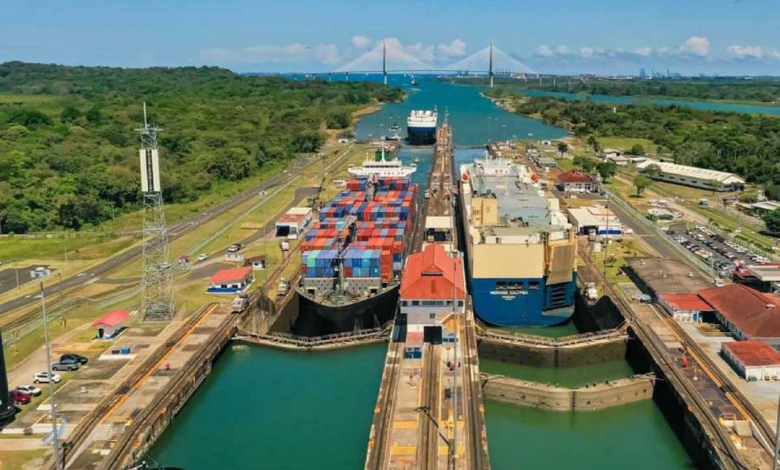

Introduction: The impact of geopolitical tensions on global trade
Escalating tensions and ongoing conflict in the Middle East have led to radical shifts in global maritime trade routes, with the Panama Canal experiencing a significant increase in transiting vessels. This strategic waterway, connecting the Atlantic and Pacific Oceans, has become a safe haven for many shipping companies seeking to avoid the growing security risks in other waterways.
Historical context and strategic importance of the Panama Canal
Since its official opening in 1914, the Panama Canal has played a vital role in reshaping the global shipping map. It provided a shortcut that spared ships the long and perilous journey around South America. Today, approximately 5% of total global maritime trade passes through this crucial waterway. Major countries such as the United States and China rely heavily on the canal, as it connects the US East Coast to vast markets in Asia, particularly Beijing, South Korea, and Japan.
Middle East crisis and ship diversion
Amid current tensions and escalating security threats in vital Middle Eastern waterways, including concerns about the potential closure of the strategic Strait of Hormuz through which approximately 20% of global oil and liquefied natural gas supplies pass, many shipping companies have been forced to reassess their routes. This exceptional situation has prompted a significant portion of maritime traffic to shift towards the Panama Canal in search of stability and security, and to avoid the disruptions plaguing traditional trade routes.
Recent statistics: A surge in the number of transiting ships
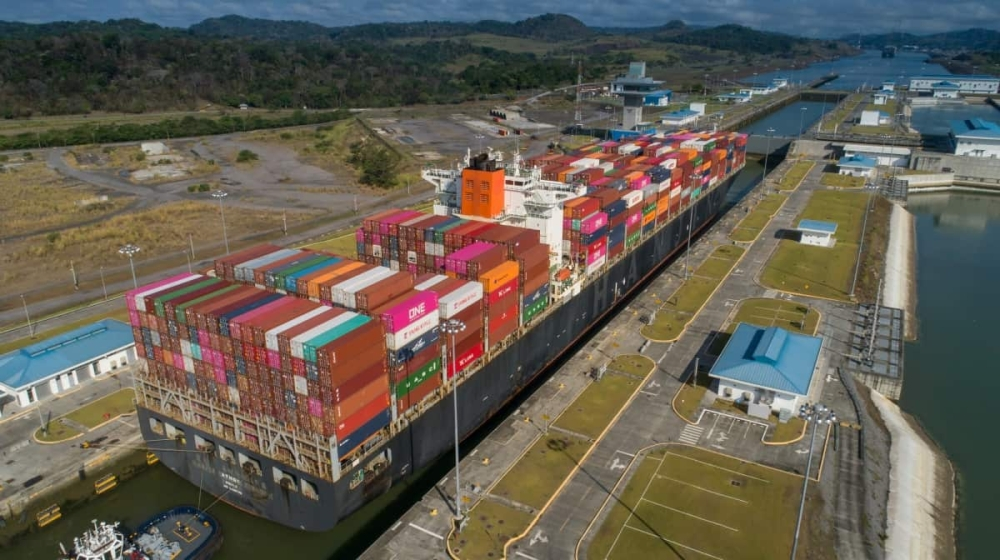
In this context, Elia Espino de Marotta, a senior official at the Panama Canal Authority, told Telemetro television that initial projections for this year indicated approximately 34 ships transiting the canal daily. However, the past few weeks have seen an unexpected surge, with the canal recording 38, then 39, and finally 40 ships passing through each day. The official emphasized that the Panama Canal remains a safe and short route, which effectively contributes to reducing operating costs for shipping companies, especially given the ongoing fluctuations in global fuel prices.
Sustainability challenges and future prospects
Despite this economic boost for the canal, de Marotta warned of the potential repercussions of this increased pressure. She explained that the continued passage of 40 ships daily is unsustainable in the long term, given the canal's limited capacity and the operational and environmental constraints related to water levels.
On the other hand, attention is now focused on the near future, with the official adding that by next April, the canal is expected to see renewed growth in the number of vessels specializing in transporting liquefied natural gas. This anticipated recovery comes after a period of significant decline in the movement of these vessels, a direct result of the global economic repercussions following the Russian invasion of Ukraine and its impact on energy markets.
In conclusion, these developments underscore the interconnectedness of the global economy, where a regional crisis in the Middle East can redraw the map of navigation and revitalize waterways in the other half of the globe, highlighting the importance of resilience in managing global supply chains.