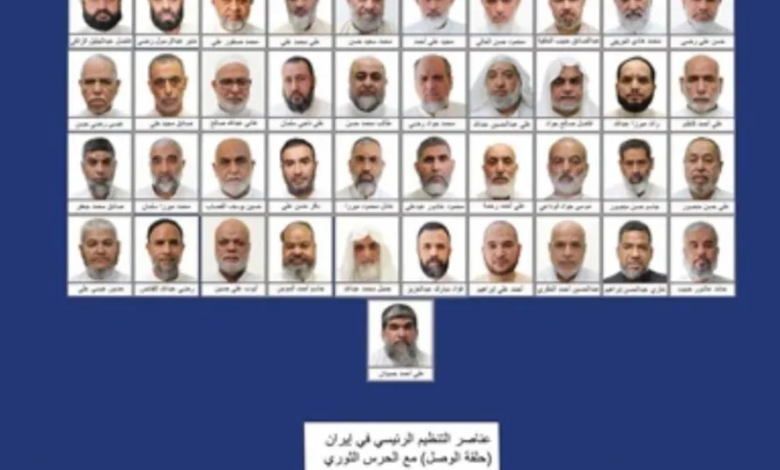

أعلنت السلطات الأمنية في مملكة البحرين عن إلقاء القبض على عدد من الأفراد المنتمين إلى تنظيم إرهابي، مشيرة إلى وجود ارتباطات وثيقة بين أعضاء الخلية و«المجلس الإسلامي العلمائي»، وهو كيان ديني تم حله بقرار قضائي في عام 2014. وتأتي هذه العملية في سياق الجهود المستمرة التي تبذلها الأجهزة الأمنية لمكافحة الإرهاب والحفاظ على الاستقرار في المملكة.
ووفقاً للبيانات الرسمية الصادرة، فإن التحقيقات الأولية كشفت عن تورط الموقوفين في التخطيط لتنفيذ أعمال إرهابية تستهدف زعزعة الأمن الوطني وضرب المنشآت الحيوية، بالإضافة إلى حيازة أسلحة ومواد متفجرة. وأكدت المصادر الأمنية أن التنظيم كان يتلقى دعماً وتوجيهات من جهات خارجية بهدف إثارة الفوضى والفتنة الطائفية، وهو ما يمثل تهديداً مباشراً للسلم الأهلي.
خلفية تاريخية وسياق الأحداث
يعود تأسيس «المجلس الإسلامي العلمائي» إلى عام 2004 كأكبر تجمع لعلماء الدين الشيعة في البحرين، ولعب دوراً بارزاً في المشهد الديني والاجتماعي. إلا أن السلطات البحرينية اتخذت قراراً بحله في عام 2014، متهمة إياه بالعمل خارج إطار القانون والانخراط في السياسة بشكل غير مرخص، والترويج لأجندات تخدم مصالح خارجية. ومنذ ذلك الحين، تعتبر الحكومة أي نشاط связан بالمجلس غير قانوني ويقع تحت طائلة الملاحقة القضائية.
تندرج هذه الحادثة ضمن سلسلة من التحديات الأمنية التي واجهتها البحرين منذ احتجاجات عام 2011. وقد أعلنت الحكومة مراراً عن تفكيك خلايا ومنظمات تتهمها بالارتباط بإيران والحرس الثوري، مؤكدة على أن هذه الجهات تسعى لتقويض استقرار المملكة والمنطقة عبر وكلائها المحليين.
الأهمية والتأثيرات المتوقعة
على الصعيد المحلي، يعزز هذا الإعلان من رواية الحكومة حول وجود تهديدات أمنية مستمرة تتطلب اليقظة والصرامة، وقد يؤدي إلى تشديد الإجراءات الأمنية. كما أنه يسلط الضوء مجدداً على الانقسامات السياسية والطائفية التي لا تزال تشكل تحدياً كبيراً في البلاد. أما على المستوى الإقليمي، فإن ربط الخلية بجهات خارجية يتماشى مع التوترات الجيوسياسية في منطقة الخليج، خاصة بين محور المملكة العربية السعودية وحلفائها من جهة، وإيران من جهة أخرى، حيث تعتبر البحرين حليفاً استراتيجياً للسعودية.
دولياً، تتابع الحكومات الغربية ومنظمات حقوق الإنسان الوضع في البحرين عن كثب. وبينما تدعم دول مثل الولايات المتحدة والمملكة المتحدة جهود البحرين في مكافحة الإرهاب، نظراً لأهميتها الاستراتيجية كقاعدة للأسطول الخامس الأمريكي، فإنها تدعو في الوقت نفسه إلى احترام حقوق الإنسان وضمان إجراءات قضائية عادلة للمتهمين.