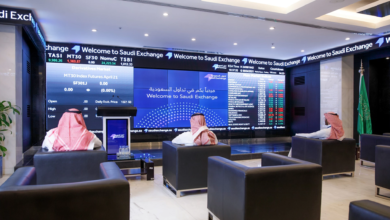

أظهرت النشرة الإحصائية الشهرية الصادرة عن البنك المركزي السعودي (ساما) لشهر فبراير 2024، أن الائتمان المصرفي الممنوح للقطاعين العام والخاص في المملكة قد وصل إلى مستوى تاريخي جديد، ليبلغ إجماليه حوالي 3.335 تريليون ريال. ويمثل هذا الرقم قفزة نوعية تعكس قوة ومتانة القطاع المالي السعودي ودوره المحوري في دعم النمو الاقتصادي الشامل والمستدام الذي تشهده البلاد.
ووفقاً للبيانات، حقق الائتمان المصرفي نمواً سنوياً بنسبة 9.6%، بزيادة قدرها 291.9 مليار ريال مقارنة بنفس الفترة من العام الماضي 2023، حيث كان الإجمالي عند 3.042 تريليون ريال. وعلى أساس شهري، سجل الائتمان نمواً بنسبة 0.5%، بزيادة بلغت 15.6 مليار ريال عن شهر يناير 2024.
السياق الاقتصادي ورؤية 2030
يأتي هذا النمو المتصاعد في الائتمان المصرفي في سياق التحولات الاقتصادية الكبرى التي تقودها رؤية المملكة 2030. تهدف الرؤية إلى تنويع مصادر الدخل بعيداً عن النفط، وتعزيز دور القطاع الخاص ليصبح المحرك الرئيسي للاقتصاد. ولتحقيق ذلك، أطلقت المملكة سلسلة من المشاريع العملاقة والإصلاحات الهيكلية التي تتطلب تمويلاً ضخماً، وهو ما يوفره القطاع المصرفي بكفاءة عالية. إن زيادة الطلب على القروض من قبل الشركات والمؤسسات لتمويل توسعاتها ومشاريعها الجديدة، بالإضافة إلى الطلب من الأفراد على القروض العقارية والاستهلاكية، يعد مؤشراً قوياً على الثقة العالية في مستقبل الاقتصاد السعودي.
أهمية النمو وتأثيره المتوقع
إن وصول الائتمان المصرفي إلى هذا المستوى القياسي يحمل دلالات اقتصادية هامة على مختلف الأصعدة:
- محلياً: يعزز هذا النمو النشاط الاقتصادي المحلي من خلال توفير السيولة اللازمة للشركات، مما يدعم خلق فرص العمل ويزيد من القدرة الإنتاجية للاقتصاد غير النفطي. كما يساهم في تحقيق أهداف برنامج تطوير القطاع المالي، أحد أهم برامج الرؤية، والذي يسعى إلى بناء قطاع مالي متطور ومنفتح على العالم.
- إقليمياً ودولياً: يرسخ هذا الأداء المالي القوي مكانة المملكة كمركز مالي رائد في المنطقة، ويزيد من جاذبيتها للمستثمرين الأجانب الذين يبحثون عن بيئات استثمارية مستقرة وواعدة. كما يعكس قدرة النظام المصرفي السعودي على تمويل المشاريع الكبرى التي لها تأثير عالمي، مثل مشاريع نيوم والبحر الأحمر والقدية.
تفاصيل هيكل الائتمان
أوضحت البيانات أن الائتمان طويل الأجل (لأكثر من 3 سنوات) يستحوذ على الحصة الأكبر من الإجمالي بنسبة 48.6%، وبقيمة بلغت 1.622 تريليون ريال. ويعد هذا مؤشراً إيجابياً للغاية، حيث يدل على أن التمويل موجه بشكل أساسي نحو استثمارات طويلة الأمد ومشاريع استراتيجية تساهم في بناء أصول إنتاجية مستدامة، بدلاً من التركيز على التمويل قصير الأجل. في المقابل، شكّل الائتمان قصير الأجل (أقل من سنة) ما نسبته 37.7% بقيمة 1.257 تريليون ريال، بينما بلغ الائتمان متوسط الأجل (من سنة إلى 3 سنوات) ما نسبته 13.7% بقيمة تقارب 456 مليار ريال.