
السياق التاريخي والاهتمام المستمر بالعاصمة المقدسة
منذ توحيد المملكة العربية السعودية، تولي القيادة الرشيدة اهتماماً بالغاً واستثنائياً بتطوير البنية التحتية لمكة المكرمة والمشاعر المقدسة. وفي العهد الزاهر لخادم الحرمين الشريفين الملك سلمان بن عبدالعزيز، وسمو ولي عهده الأمين، تضاعفت هذه الجهود لتتواكب مع مستهدفات «رؤية السعودية 2030»، وتحديداً «برنامج خدمة ضيوف الرحمن» الذي يهدف إلى تيسير استضافة مزيد من المعتمرين والحجاج، وتقديم خدمات ذات جودة عالية تثري تجربتهم الدينية والثقافية. وفي هذا السياق، يأتي الاهتمام بالمداخل الرئيسية لمكة المكرمة كأولوية قصوى، لكونها الانطباع البصري الأول الذي يستقبل ملايين المسلمين القادمين من شتى بقاع الأرض.
تفاصيل مشروع تطوير محور الأمير محمد بن سلمان
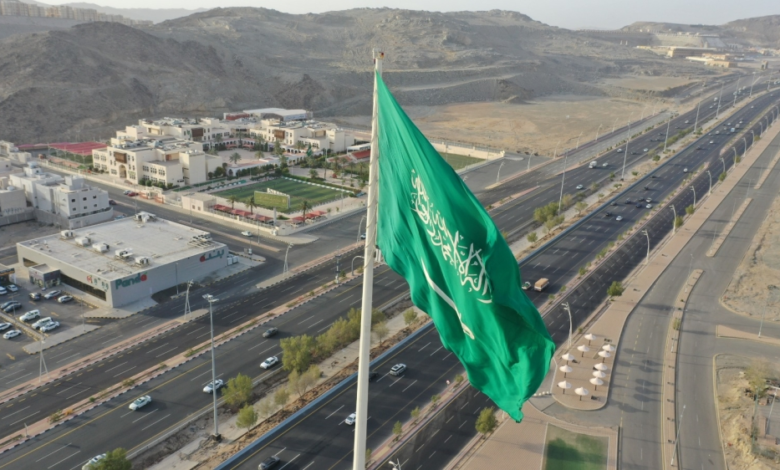
تواصل أمانة العاصمة المقدسة جهودها الحثيثة لتنفيذ أعمال مشروع تطوير «محور الأمير محمد بن سلمان» (طريق مكة المكرمة – جدة السريع)، ضمن مسارها التطويري الشامل لتحسين مداخل مكة المكرمة. يهدف هذا المشروع الاستراتيجي إلى الارتقاء بالمشهد البصري والحضري، ودعم الهوية العمرانية الإسلامية والمحلية، ورفع مستوى الجمالية بما يعكس المكانة العظيمة للعاصمة المقدسة. كما يواكب المشروع مستهدفات برنامج «جودة الحياة»، ويسهم بشكل مباشر في تحسين تجربة الحج وتسهيل تنقلات ضيوف الرحمن خلال المواسم المزدحمة.
يمتد هذا المحور الحيوي بطول 16 كيلومتراً، ليبدأ من ميدان زمزم وصولاً إلى تقاطعه مع جسر الشميسي. ويرتبط الطريق بعدد من الشرايين المرورية الرئيسية، أبرزها الطريقان الدائريان الثالث والرابع. ويخدم هذا المحور نطاقاً جغرافياً واسعاً يضم استخدامات سكنية، تجارية، فندقية، وخدمية، مما يجعله محوراً تجارياً نشطاً وحيوياً، وأحد أهم المسارات الرئيسية المؤدية إلى المسجد الحرام.
الأثر المتوقع: محلياً وإقليمياً ودولياً
يحمل هذا المشروع أهمية كبرى تتجاوز النطاق المحلي؛ فمحلياً، يسهم في فك الاختناقات المرورية، ورفع القيمة الاقتصادية والعقارية للمناطق المحيطة، وتوفير بيئة صحية وآمنة للسكان. أما على الصعيدين الإقليمي والدولي، فإن تطوير المدخل الغربي لمكة المكرمة يعكس قدرة المملكة الفائقة على إدارة الحشود وتخطيط المدن الذكية والمستدامة، ويقدم صورة حضارية مشرفة تليق بمكانة المملكة كقبلة للمسلمين، مما يترك أثراً إيجابياً عميقاً في نفوس الحجاج والمعتمرين العابرين لهذا الطريق الحيوي.
أعمال التشجير والجاهزية لموسم الحج
تماشياً مع أهداف «مبادرة السعودية الخضراء»، نفذت الأمانة حزمة من التحسينات البيئية النوعية، شملت زراعة 4,900 شجرة من أنواع تتكيف مع البيئة المحلية مثل الأكاسيا، الرنف، والخبيز الساحلي. كما تم زراعة أكثر من 46,450 شجيرة من الحلفا والجهنمية، إلى جانب تأهيل وزراعة أكثر من 860 نخلة من نوع واشنطونيا، مما يضفي طابعاً جمالياً ويخفف من درجات الحرارة.
وقد جرى تنفيذ المشروع عبر ثلاث مراحل تشغيلية متكاملة لضمان الجاهزية التامة لموسم الحج؛ حيث بلغت نسبة الإنجاز في المرحلة الأولى (من ميدان الدوارق إلى الدائري الثالث) 100%، وكذلك المرحلة الثانية (من الدائري الثالث إلى الدائري الرابع) بنسبة 100%، في حين وصلت المرحلة الثالثة (من الدائري الرابع إلى شارع الأمير نايف) إلى 95%. وتترافق هذه الإنجازات مع أعمال مستمرة للري، النظافة، والصيانة الميدانية، لضمان استدامة كفاءة التشغيل وتقديم أفضل الخدمات لضيوف الرحمن.