
تحولات استراتيجية في السياسة الخارجية الإيرانية
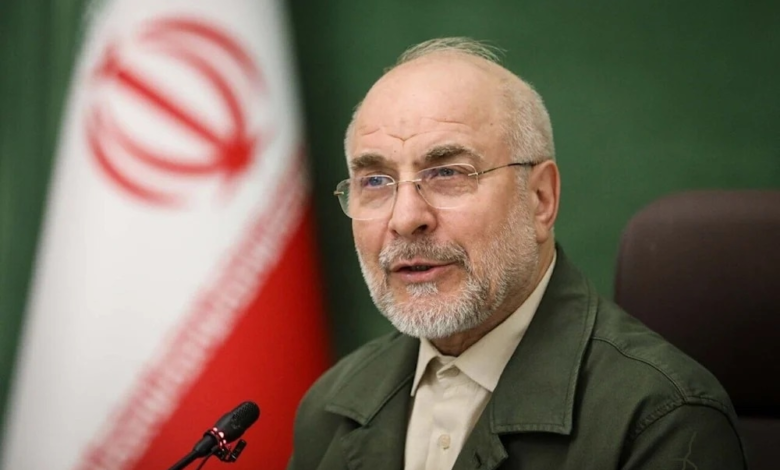
في خطوة استراتيجية تعكس التحولات العميقة في السياسة الخارجية الإيرانية وسط أزمات إقليمية غير مسبوقة، تم تكليف محمد باقر قليباف، رئيس مجلس الشورى الإيراني وكبير المفاوضين الإيرانيين مع الولايات المتحدة، بمهمة الإشراف الشامل على العلاقات الإيرانية مع جمهورية الصين الشعبية. ووفقاً لما ذكرته وكالة تسنيم الدولية للأنباء، فقد عُين قليباف مؤخراً ممثلاً خاصاً للجمهورية الإسلامية الإيرانية لشؤون الصين. جاء هذا القرار الحاسم بناءً على اقتراح مباشر من الرئيس الإيراني مسعود بزشكيان، وحظي بموافقة المرشد الأعلى مجتبى خامنئي، ليتولى قليباف بذلك مسؤولية تنسيق مختلف قطاعات العلاقات بين طهران وبكين في مرحلة حساسة للغاية.
السياق التاريخي للعلاقات الإيرانية الصينية
تأتي هذه الخطوة لتبني على إرث دبلوماسي واقتصادي معقد بين البلدين. تاريخياً، تعتبر الصين الشريك التجاري الأكبر لإيران والمشتري الرئيسي لنفطها، وهو ما يمثل شريان حياة للاقتصاد الإيراني في ظل العقوبات الغربية القاسية. وقد توجت هذه العلاقات في عام 2021 بتوقيع اتفاقية تعاون استراتيجي شاملة لمدة 25 عاماً، والتي شملت استثمارات صينية ضخمة في قطاعات الطاقة والبنية التحتية الإيرانية. كان مهندس تلك المرحلة هو علي لاريجاني، الأمين السابق للمجلس الأعلى للأمن القومي، الذي أشرف على دفع تلك المفاوضات بنجاح.
أزمة القيادة وتصاعد التوترات العسكرية
إلا أن المشهد السياسي والأمني في إيران شهد زلزالاً حقيقياً مؤخراً. فقد أشارت وسائل إعلام محلية إيرانية إلى أن علي لاريجاني، الذي كان يشغل هذا المنصب الحيوي، قد قضى في غارة جوية في 17 مارس الماضي. هذا الحدث جاء في سياق تصعيد عسكري خطير، حيث اندلعت حرب طاحنة في 28 فبراير عقب غارات أمريكية إسرائيلية مكثفة استهدفت الأراضي الإيرانية. أسفرت هذه الضربات عن مقتل عدد من كبار المسؤولين الإيرانيين، وعلى رأسهم المرشد الأعلى السابق علي خامنئي، مما أحدث فراغاً قيادياً تطلب تحركات عاجلة لإعادة ترتيب أوراق الدولة.
قليباف يقود الدبلوماسية الإيرانية في أحلك الظروف
في خضم هذه العاصفة، برز قليباف كشخصية محورية لإنقاذ الموقف. فإلى جانب خلفيته القوية، قاد قليباف الدبلوماسية الإيرانية في جولة المحادثات الوحيدة مع الولايات المتحدة في شهر أبريل الماضي. إن اختياره الآن لملف الصين يعكس رغبة القيادة الإيرانية الجديدة في توحيد مسارات التفاوض شرقاً وغرباً تحت إدارة شخصية قوية وموثوقة، قادرة على استخدام الورقة الصينية كأداة ضغط وتوازن في المفاوضات المتعثرة مع واشنطن.
تعثر المباحثات الأمريكية الإيرانية وتحذيرات ترامب
على الجانب الآخر، تتزايد الضغوط الأمريكية بشكل غير مسبوق. فقد حذر الرئيس الأمريكي دونالد ترامب، يوم الأحد، بلهجة شديدة الصرامة من أنه “لن يتبقى شيء” من إيران إذا لم تسارع بتوقيع اتفاق شامل مع الولايات المتحدة. وفي تصريح نشره عبر منصته الاجتماعية “تروث سوشال”، قال ترامب: “بالنسبة لإيران، الوقت ينفد، ومن الأفضل لهم أن يتحركوا بسرعة، وإلا فلن يتبقى منهم شيء”. تأتي هذه التهديدات في ظل تعثر واضح للمباحثات بين البلدين الرامية لإنهاء الحرب في الشرق الأوسط.
ورغم مرور أكثر من شهر على بدء سريان هدنة مؤقتة في الحرب التي شنتها الولايات المتحدة وإسرائيل في أواخر فبراير، لا يزال احتمال التوصل إلى تسوية سياسية تضع حداً نهائياً للنزاع بعيد المنال. إن تكليف قليباف بملف الصين في هذا التوقيت الحرج ليس مجرد تغيير إداري، بل هو رسالة جيوسياسية واضحة بأن إيران تسعى لتعزيز تحالفاتها الشرقية لضمان بقائها وتعزيز موقفها التفاوضي.