
منظمة الصحة العالمية وتقييم تفشي فيروس هانتا
أعلنت منظمة الصحة العالمية الإبقاء على تقييمها لتفشي فيروس هانتا باعتباره “منخفض الخطورة” على المستوى العالمي. جاء هذا الإعلان الحاسم بالتزامن مع اقتراب السفينة السياحية التي ظهرت فيها الإصابات بالفيروس من سواحل هولندا. وأكد بيان رسمي صادر عن المنظمة الأممية، أنه تم إعادة تقييم المخاطر على الصحة العامة بناءً على أحدث المعلومات والبيانات الوبائية المتاحة، لتخلص إلى أن المخاطر العالمية لا تزال في مستوياتها الدنيا ولا تستدعي القلق الدولي الواسع.
وأضافت المنظمة أنه على الرغم من وجود احتمالية لتسجيل إصابات إضافية بين الركاب وأفراد الطاقم الذين تعرضوا للفيروس قبل تنفيذ تدابير الاحتواء الصارمة، فإنه من المتوقع أن ينخفض خطر انتقال العدوى بشكل كبير بعد نزول الركاب من السفينة والبدء في تنفيذ تدابير المراقبة الصحية الدقيقة والعزل الطبي للمخالطين للتأكد من سلامتهم.
تفاصيل أزمة السفينة السياحية وإجلاء الركاب
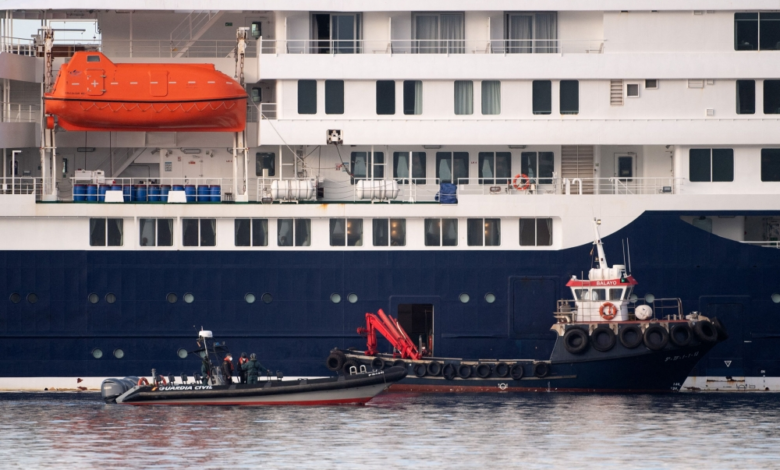
ومن المتوقع أن ترسو السفينة السياحية التي تحمل اسم “إم في هونديوس” في ميناء روتردام الهولندي. وتأتي هذه الخطوة بعد الانتهاء من عملية إجلاء واسعة النطاق لركابها. ووفقاً للمسؤولين، فإنه قبل إنزال الركاب، كان يتبقى على متن السفينة 27 شخصاً فقط، من بينهم 25 من أفراد الطاقم الأساسي واثنان من أفراد الطاقم الطبي المتخصص الذين يشرفون على الوضع الصحي العام.
وكانت هذه السفينة، التي تتولى تشغيلها شركة “أوشن وايد إكسبيديشنز” الهولندية، قد تصدرت عناوين الأخبار العالمية مؤخراً بعد حادثة مأساوية أسفرت عن وفاة ثلاثة ركاب جراء إصابتهم بفيروس هانتا النادر. ومما يزيد من تعقيد الموقف الطبي هو أن هذا الفيروس لا توجد له حتى الآن لقاحات معتمدة للوقاية منه، كما يفتقر إلى علاجات مضادة للفيروسات محددة وفعالة، مما يجعل الرعاية الداعمة في وحدات العناية المركزة هي الخيار الطبي الوحيد المتاح للمصابين.
السياق العام: ما هو فيروس هانتا وكيف ينتقل؟
لفهم طبيعة هذا التقييم الصادر عن الصحة العالمية، يجب النظر في الخلفية العلمية والتاريخية لفيروس هانتا. تنتمي فيروسات هانتا إلى عائلة فيروسية تنتقل بشكل رئيسي عن طريق القوارض. تاريخياً، تم اكتشاف الفيروس لأول مرة بالقرب من نهر هانتان في كوريا الجنوبية خلال خمسينيات القرن الماضي. وتحدث الإصابة البشرية عادة من خلال استنشاق الرذاذ المتطاير من لعاب أو بول أو فضلات القوارض المصابة. وتشمل الأعراض الأولية للإصابة الحمى، وآلام العضلات، والتعب العام، والتي قد تتطور لاحقاً إلى مشاكل تنفسية حادة أو متلازمات كلوية خطيرة.
النقطة الأهم التي تدعم تقييم منظمة الصحة العالمية هي أن انتقال فيروس هانتا من إنسان إلى آخر يُعد أمراً نادر الحدوث للغاية. لذلك، فإن التواجد في بيئة مغلقة مثل السفينة مع وجود مصدر للتلوث هو ما يسبب التفشي الأولي، وبمجرد إخلاء المكان وتطهيره، يتوقف مسار انتقال العدوى بشكل شبه كامل.
التأثير المتوقع وأهمية الاستجابة السريعة
على المستوى المحلي والإقليمي، يبرز هذا الحدث أهمية البروتوكولات الصحية الصارمة في الموانئ الأوروبية، وتحديداً في هولندا، حيث تضمن إجراءات الحجر الصحي والمراقبة عدم تسرب أي أمراض معدية إلى داخل المجتمعات المحلية. وتعكس هذه الإجراءات التزام السلطات البحرية والصحية بتطبيق اللوائح الصحية الدولية لعام 2005. أما على الصعيد الدولي، فإن استجابة منظمة الصحة العالمية السريعة والشفافة تبعث برسالة طمأنة للجمهور، وتؤكد على فعالية أنظمة الإنذار المبكر في رصد الأوبئة المحتملة واحتوائها قبل أن تتحول إلى أزمات صحية عالمية.