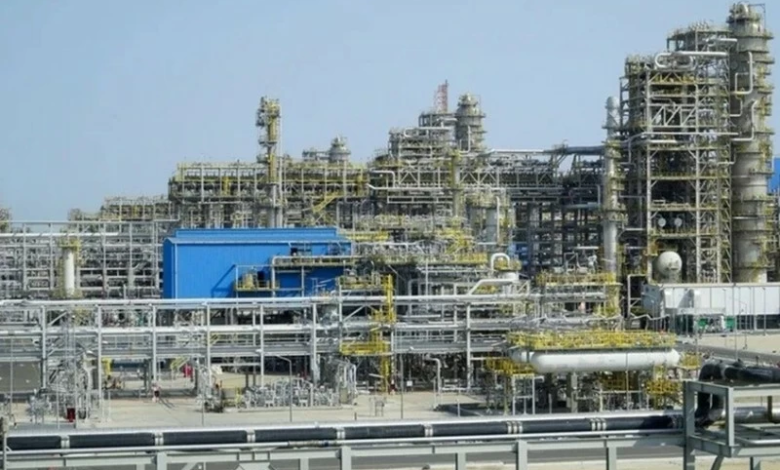

في ظل تصاعد التوترات الجيوسياسية غير المسبوقة التي تشهدها منطقة الشرق الأوسط، عاد مصطلح «القوة القاهرة» ليتصدر المشهد الاقتصادي العالمي، وذلك عقب إعلان دولتي قطر والكويت تفعيل هذا البند القانوني في عقود إمدادات النفط والغاز. يأتي هذا الإجراء الاستثنائي كاستجابة مباشرة لتداعيات العمليات العسكرية الأمريكية الإسرائيلية على إيران، مما يضع أمن الطاقة العالمي أمام اختبار حقيقي ويعيد رسم خريطة المخاطر في منطقة الخليج العربي.
مفهوم القوة القاهرة: الدرع القانوني الأخير
تُعرف «القوة القاهرة» (Force Majeure) في القانون الدولي والعقود التجارية بأنها بند يُعفي الأطراف المتعاقدة من تنفيذ التزاماتها عند وقوع أحداث استثنائية خارجة عن السيطرة تجعل التنفيذ مستحيلاً. ولا يقتصر هذا المفهوم على الحروب والنزاعات المسلحة فحسب، بل يمتد ليشمل الكوارث الطبيعية والأوبئة والاضطرابات السياسية الكبرى التي تعطل خطوط الإنتاج أو النقل.
ويكتسب هذا البند أهمية قصوى في عقود الطاقة طويلة الأجل، حيث يحمي الدول المصدرة والشركات من الغرامات المالية الباهظة والدعاوى القضائية الدولية التي قد تنشأ عن تأخر الشحنات أو توقفها، مما يمنحها مرونة قانونية لإدارة الأزمات دون تكبد خسائر تعاقدية.
لماذا لجأت قطر والكويت لهذا الخيار الآن؟
يُعد إعلان قطر، التي تعد أحد أكبر مصدري الغاز الطبيعي المسال في العالم، والكويت، العضو البارز في منظمة أوبك، لهذا البند مؤشراً خطيراً على حجم التهديدات الأمنية التي تواجه ممرات الملاحة الحيوية في الخليج. فالعمليات العسكرية الحالية لا تهدد فقط المنشآت النفطية، بل تؤثر بشكل مباشر على حركة الناقلات عبر المضائق الاستراتيجية، مما يجعل الالتزام بالجداول الزمنية للتسليم أمراً محفوفاً بالمخاطر.
تتخذ الدولتان هذه الخطوة كإجراء احترازي استباقي لإبلاغ الأسواق والعملاء رسمياً بوجود ظروف قاهرة، مما يسمح لهما بإعادة جدولة الإمدادات أو تعليقها مؤقتاً وفقاً لتطورات الميدان، مع الحفاظ على العلاقات التجارية طويلة الأمد.
التداعيات الاقتصادية على الأسواق العالمية
يرى المحللون الاقتصاديون أن تفعيل «القوة القاهرة» في منطقة الخليج يحمل تداعيات واسعة النطاق تتجاوز الحدود الإقليمية:
- قفزات في أسعار الطاقة: عادة ما تستجيب الأسواق لمثل هذه الإعلانات بارتفاع فوري في أسعار النفط والغاز، نتيجة للمخاوف من نقص المعروض العالمي.
- ارتباك سلاسل التوريد: قد تضطر الدول المستوردة، خاصة في آسيا وأوروبا، للبحث عن بدائل فورية بتكلفة أعلى، مما يزيد من الضغوط التضخمية العالمية.
- ارتفاع تكاليف التأمين: ستؤدي المخاطر المتزايدة إلى ارتفاع حاد في رسوم التأمين على ناقلات النفط العابرة للمنطقة، مما يضيف أعباء مالية جديدة على قطاع الطاقة.
في المحصلة، لا يعني إعلان القوة القاهرة توقفاً تاماً ونهائياً للإمدادات، بل هو إنذار قانوني واقتصادي يعكس هشاشة الوضع الأمني الحالي، ويؤكد أن أمن الطاقة العالمي مرتبط ارتباطاً وثيقاً باستقرار منطقة الشرق الأوسط.