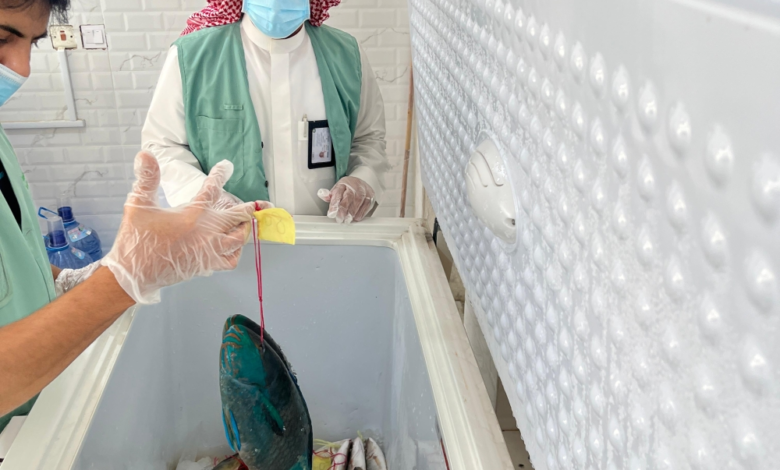

في خطوة استراتيجية تهدف إلى حماية البيئة البحرية وضمان استدامة الموارد الطبيعية، كثّف مكتب وزارة البيئة والمياه والزراعة بمحافظة رابغ جولاته الرقابية والتفتيشية على الأسواق المركزية ومرافئ ومراكز الإنزال السمكي. يأتي هذا التحرك المكثف تزامناً مع بدء التطبيق الفعلي لقرار حظر صيد أسماك الناجل والطرادي على امتداد ساحل البحر الأحمر، والذي دخل حيز التنفيذ اعتباراً من الأول من شهر أبريل ويستمر لمدة شهرين متتاليين. وتندرج هذه الإجراءات الصارمة ضمن جهود الوزارة المستمرة لتنظيم مواسم الصيد وحماية المخزون السمكي من الاستنزاف.
السياق العام والخلفية التاريخية لحماية البيئة البحرية
تعتبر أسماك الناجل والطرادي من أهم الأنواع الاقتصادية والغذائية في المملكة العربية السعودية، حيث تحظى بشعبية كبيرة في المطبخ السعودي. تاريخياً، واجهت هذه الأنواع ضغوطاً كبيرة بسبب الصيد الجائر، مما دفع وزارة البيئة والمياه والزراعة إلى التدخل المؤسسي من خلال فرض فترات حظر موسمية تتزامن مع أوقات تكاثرها. وتأتي هذه الخطوات متوافقة مع مستهدفات رؤية السعودية 2030 التي تولي اهتماماً بالغاً بحماية البيئة واستدامة الموارد الطبيعية، وتطبيقاً للأنظمة والتشريعات التي تمنع الصيد في مواسم الإخصاب والتكاثر لضمان تجدد المخزون الحيوي في البحر الأحمر الذي يُعد واحداً من أغنى البيئات البحرية بالتنوع البيولوجي على مستوى العالم.
أهمية الحدث وتأثيره المحلي والإقليمي والدولي
يحمل قرار حظر صيد أسماك الناجل والطرادي وتكثيف الرقابة في محافظة رابغ والمناطق الساحلية أبعاداً استراتيجية متعددة. على الصعيد المحلي، يضمن هذا الإجراء استدامة مهنة الصيد للأجيال القادمة، ويعزز من منظومة الأمن الغذائي الوطني من خلال السماح للأسماك بالوصول إلى أحجام اقتصادية مناسبة قبل صيدها. أما على الصعيد الإقليمي، فإن حماية التنوع البيولوجي في البحر الأحمر تسهم في الحفاظ على توازن النظام البيئي للشعاب المرجانية التي تشترك فيها عدة دول، مما يجعل الجهود السعودية ركيزة أساسية في حماية هذه البيئة الحساسة. ودولياً، تتماشى هذه الإجراءات مع أهداف التنمية المستدامة للأمم المتحدة، وتحديداً الهدف الرابع عشر المعني بحفظ المحيطات والبحار والموارد البحرية، ومكافحة ممارسات الصيد غير القانونية.
تحقيق التوازن البيئي وتطبيق الأنظمة
وفي هذا السياق، أوضح مدير مكتب الوزارة بمحافظة رابغ، المهندس ردة بن عبادل القارزي، أن قرار الحظر يأتي مواكباً لموسم تكاثر هذه الأنواع، بما يتيح لها فرصة التكاثر الطبيعي وزيادة أعدادها. وأكد أن هذه الخطوة تسهم بشكل مباشر في تحقيق التوازن البيئي والحد من الصيد الجائر.
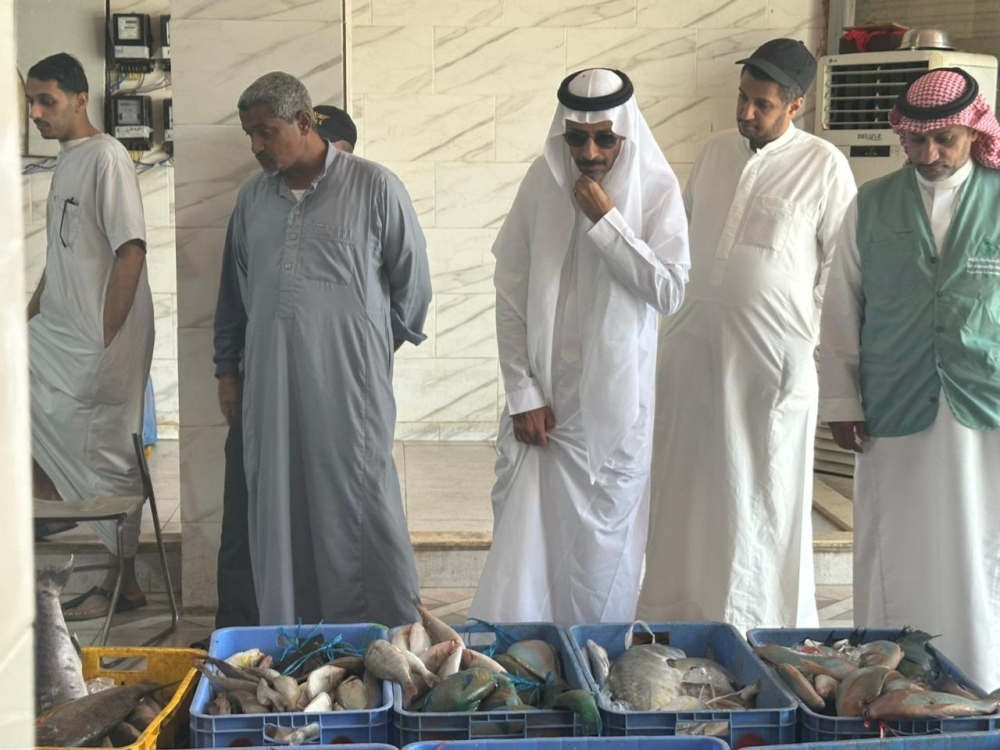
وشدد القارزي على تكثيف الجولات الرقابية بالتعاون المشترك مع الجهات ذات العلاقة لضمان الالتزام التام وتطبيق الأنظمة بحق المخالفين.
عقوبات صارمة للمخالفين ودعوة للتعاون
من جانبه، شدد مدير عام فرع وزارة البيئة والمياه والزراعة بمنطقة مكة المكرمة، المهندس وليد بن إبراهيم آل دغيثير، على الأهمية القصوى لالتزام جميع الصيادين وبائعي الأسماك بعدم صيد أو بيع أو تداول أسماك الناجل والطرادي خلال فترة الحظر المحددة. وأشار بوضوح إلى أنه سيتم تطبيق العقوبات والغرامات المالية الرادعة على المخالفين وفقاً للوائح والأنظمة المعمول بها في المملكة. واختتم تصريحه بتوجيه دعوة مفتوحة لجميع المواطنين والمقيمين والصيادين للتعاون مع الوزارة والجهات المعنية للحفاظ على استدامة الموارد البحرية، مؤكداً أن حماية البيئة هي مسؤولية مشتركة تعود بالنفع على الاقتصاد والمجتمع وتعزز من الأمن الغذائي المستدام.