
تصعيد أمريكي خطير بشأن الملف النووي الإيراني
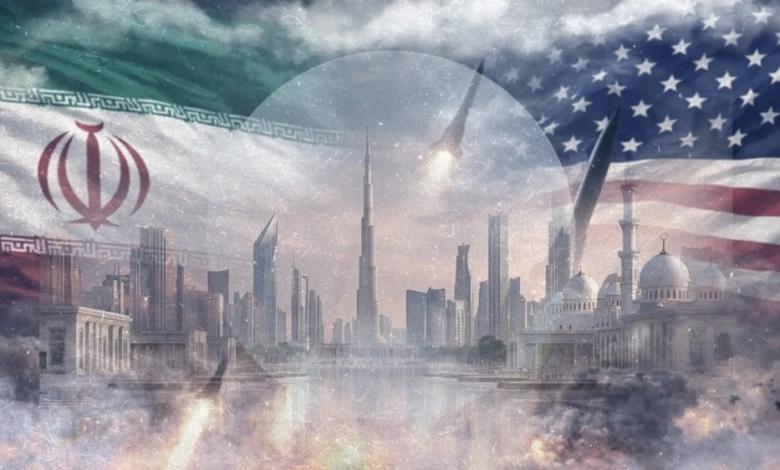
في تطور لافت يعكس حجم التوترات المتصاعدة في الشرق الأوسط، وجهت الولايات المتحدة الأمريكية تحذيرات شديدة اللهجة إلى طهران بشأن مسار الملف النووي الإيراني. فقد صرح مسؤول أمريكي بارز بأنه يتعين على إيران تقديم تنازلات جوهرية وحقيقية، مشدداً على أنه في حال استمرار طهران في تعنتها وعدم تغيير موقفها الحالي، فإن لغة الحوار قد تتغير لتصبح التفاوض عبر القنابل. هذا التصريح يعكس نفاد الصبر الأمريكي تجاه المماطلة الإيرانية في المباحثات.
وأضاف المسؤول الأمريكي في تصريحاته التي نقلتها شبكة أكسيوس الإخبارية، وأبرزتها قناة العربية، أن واشنطن لا تحرز أي تقدم يُذكر في الوقت الراهن بشأن البرنامج النووي الإيراني. وأكدت الإدارة الأمريكية على الحاجة الماسة إلى حوار جاد، عميق، ومفصل لضمان عدم امتلاك طهران لأي أسلحة دمار شامل. وأوضح المسؤول أن الضغط الأمريكي الحالي يهدف بالأساس إلى دفع القيادة الإيرانية للاستجابة بالشكل الصحيح، مشيراً إلى أن واشنطن لا تجري حالياً محادثات مباشرة مع طهران حول جوهر الاتفاق، بل تقتصر الاتصالات على محادثات غير مباشرة للاتفاق على شكل وإطار المفاوضات المستقبلية.
مقترح إيران المعدل: خطوة غير كافية
وفيما يتعلق بالجهود الدبلوماسية الأخيرة، كشف المسؤول الأمريكي أن المقترح الإيراني المعدل الذي تم تقديمه مؤخراً يعكس بوضوح قلق طهران من احتمالية استئناف واشنطن للعمليات العسكرية أو توجيه ضربات استراتيجية. ورغم أن هذا المقترح تضمن بعض التحسينات الطفيفة مقارنة بالنسخ السابقة، وشمل التزاماً نظرياً بعدم السعي لامتلاك سلاح نووي، إلا أن الإدارة الأمريكية تعتبره غير كافٍ على الإطلاق لإبرام اتفاق شامل ونهائي يضمن أمن المنطقة.
السياق التاريخي وتأثير الانسحاب من الاتفاق النووي
لفهم جذور هذه الأزمة، يجب العودة إلى السياق التاريخي للبرنامج النووي الإيراني. فمنذ انسحاب الولايات المتحدة أحادي الجانب من خطة العمل الشاملة المشتركة (الاتفاق النووي) في عام 2018، تسارعت وتيرة التخصيب النووي في المنشآت الإيرانية، مما أثار قلق المجتمع الدولي. هذا الانسحاب أدى إلى فرض عقوبات اقتصادية قاسية على طهران، والتي ردت بدورها بتقليص التزاماتها النووية. ومنذ ذلك الحين، تعيش المنطقة حالة من الترقب والحذر، حيث تسعى القوى الغربية للوصول إلى صيغة جديدة تمنع سباق تسلح نووي في الشرق الأوسط، وهو ما يفسر التشدد الأمريكي الحالي في المطالبة بضمانات صارمة.
وساطة عربية لتأجيل الخيار العسكري وحماية استقرار المنطقة
على الصعيد الإقليمي، يلعب القادة العرب دوراً محورياً في نزع فتيل الأزمة وتجنب الانزلاق نحو حرب مدمرة. وفي هذا السياق، كشف الرئيس الأمريكي السابق دونالد ترامب في تصريحات نقلتها قناة الإخبارية، أن سمو ولي العهد السعودي، وأمير دولة قطر، ورئيس دولة الإمارات العربية المتحدة، قد تواصلوا معه وطلبوا تأجيل أي هجوم عسكري كان مقرراً على إيران. هذا التدخل الدبلوماسي رفيع المستوى يبرز حرص دول الخليج العربي على الحفاظ على الأمن والاستقرار الإقليمي، وتفضيل الحلول السلمية والدبلوماسية لتجنيب المنطقة ويلات الحروب التي قد تعطل إمدادات الطاقة العالمية وتؤثر على الاقتصاد الدولي.
وختاماً، شدد ترامب والمسؤولون الأمريكيون على أن أي اتفاق محتمل أو تسوية مستقبلية مع النظام الإيراني يجب أن تتضمن بنداً صارماً وقابلاً للتحقق يضمن عدم امتلاك طهران لأي سلاح نووي تحت أي ظرف. إن تطورات الملف النووي الإيراني لا تؤثر فقط على العلاقات الثنائية بين واشنطن وطهران، بل تمتد تداعياتها لتشمل الأمن القومي لدول الشرق الأوسط، واستقرار أسواق الطاقة، والتوازنات الجيوسياسية العالمية.