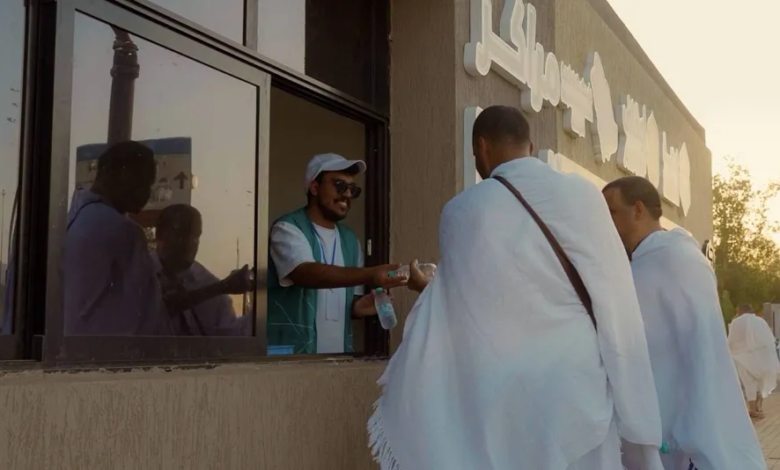

تُمثل “مراكز التوزيع الخيري” في المشاعر المقدسة نقلة نوعية في إدارة وتنظيم العمل الإنساني خلال موسم الحج، حيث تجسد هذه المنظومة المتكاملة حرص المملكة العربية السعودية على تقديم أرقى الخدمات لضيوف الرحمن، محولةً الجهود الخيرية الفردية والمبعثرة إلى عمل مؤسسي منظم يضمن الكفاءة ويحفظ كرامة الحجاج ويحقق مبدأ “حفظ النعمة”.
خلفية تاريخية: من العطاء الفردي إلى التنظيم المؤسسي
على مر العصور، كان موسم الحج مسرحاً لأعمال الخير والعطاء، حيث يتسابق المسلمون من أفراد ومؤسسات لتقديم الطعام والشراب والمساعدات لحجاج بيت الله الحرام. ورغم النوايا الحسنة، كانت هذه الجهود تفتقر في كثير من الأحيان إلى التنظيم، مما يؤدي إلى هدر كبير في الموارد، خاصة فائض الطعام، بالإضافة إلى تحديات لوجستية وصحية تتعلق بالتوزيع العشوائي في مناطق شديدة الازدحام. من هنا، برزت الحاجة إلى إطار تنظيمي يوجه هذه الطاقات الخيرية ويضمن وصولها إلى مستحقيها بأفضل صورة ممكنة. جاءت فكرة “مراكز التوزيع الخيري” كحل استراتيجي تتبناه الحكومة السعودية لتوحيد الجهود تحت مظلة واحدة، مستفيدة من التقنيات الحديثة وأفضل الممارسات في إدارة الخدمات اللوجستية والإنسانية.
آلية عمل متكاملة: حفظ النعمة وضمان الوصول
تعمل هذه المراكز كنقاط محورية لاستقبال وتصنيف وتجهيز وتوزيع المساعدات العينية، وبشكل خاص الوجبات الغذائية والمياه والمشروبات الباردة. يتم استلام التبرعات من الجهات المانحة المعتمدة، سواء كانت مؤسسات أو أفراد، ومن ثم يتم فحصها للتأكد من مطابقتها لأعلى معايير السلامة والجودة الغذائية. بعد ذلك، تُوزع هذه المساعدات بشكل منظم ومدروس في مواقع محددة داخل المشاعر المقدسة (منى، عرفات، ومزدلفة)، مع مراعاة أوقات الذروة ومسارات حركة الحشود. تهدف هذه الآلية ليس فقط إلى إيصال المساعدات، بل إلى تحقيق مفهوم “حفظ النعمة” عبر التعامل الاحترافي مع فائض الطعام وتوجيهه للاستفادة منه بدلاً من هدره، مما يعكس التزاماً عميقاً بالقيم الإسلامية والبيئية.
الأهمية والأثر المتوقع: أبعاد محلية ودولية
تتجاوز أهمية هذه المراكز مجرد توزيع الطعام والشراب، لتمتد إلى أبعاد استراتيجية وتنموية هامة.
على المستوى المحلي:
تساهم المنظومة في تحقيق مستهدفات رؤية السعودية 2030، لا سيما تلك المتعلقة بإثراء تجربة الحج وتحسين جودة الخدمات المقدمة لضيوف الرحمن. كما أنها تعزز ثقافة العمل التطوعي المنظم، وتوفر منصة آمنة وموثوقة للراغبين في المساهمة بالعمل الخيري، مع ضمان وصول تبرعاتهم إلى المكان الصحيح. علاوة على ذلك، فإنها تلعب دوراً حيوياً في الحفاظ على الصحة العامة ونظافة المشاعر المقدسة من خلال الحد من التوزيع العشوائي وما يترتب عليه من مخلفات.
على المستوى الدولي:
تقدم المملكة العربية السعودية من خلال هذه المبادرة نموذجاً رائداً في إدارة العمل الإنساني خلال أكبر التجمعات البشرية في العالم. هذا النموذج يعكس الصورة الحضارية للمملكة وقدرتها على تسخير إمكانياتها لخدمة المسلمين من شتى بقاع الأرض. إن نجاح هذه المنظومة يعزز من مكانة السعودية كقائدة للعالم الإسلامي، ويقدم للعالم درساً في كيفية دمج القيم الدينية الأصيلة مع أحدث أساليب الإدارة والتنظيم لتحقيق أهداف إنسانية نبيلة.